Have you ever watched your frame rate tank mid-match, or felt your PC grow alarmingly hot during a long gaming session? The answer almost always comes down to heat, and knowing how to monitor GPU temperature gives you the power to act before your hardware pays the price. Every demanding title in your video games library pushes your components harder than everyday tasks — and without thermal data in front of you, you're flying blind.
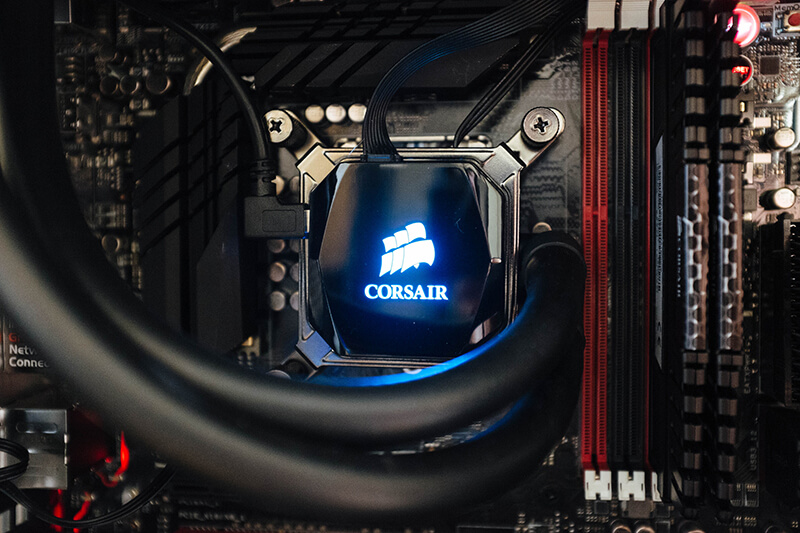
Your GPU and CPU operate within strict thermal boundaries, and crossing those boundaries consistently leads to throttling, instability, and gradual permanent degradation of the silicon inside. The good news is that monitoring your temperatures requires no expensive equipment, no technical expertise, and less than five minutes of setup on any Windows machine.
This guide covers everything from choosing the right tool and reading your data correctly, to recognizing what normal looks like and which everyday habits are quietly pushing your temps into dangerous territory every single session.
Contents
- Why Your PC's Temperature Readings Matter More Than You Think
- How to Monitor GPU Temperature: A Step-by-Step Walkthrough
- The Best Monitoring Tools Compared Side by Side
- When to Worry and When Your Temps Are Completely Fine
- Temperature Myths That PC Gamers Still Believe
- Mistakes That Are Quietly Cooking Your Hardware
- Pro Tips for Keeping Your GPU and CPU Running Cool
- Frequently Asked Questions
Why Your PC's Temperature Readings Matter More Than You Think
Modern graphics processing units are engineering marvels designed to handle intense workloads, but they operate within thermal envelopes that, when pushed consistently, degrade performance and chip longevity in measurable ways. Most gamers only start thinking about temperatures after something goes wrong — and by that point, wear has already accumulated on components that are not cheap to replace. Understanding your system's thermal baseline before problems arise puts you in control of your hardware's lifespan.
The Real Cost of Running Hot
When your GPU runs too hot, it triggers thermal throttling — an automatic clock speed reduction designed to prevent catastrophic damage. You feel that reduction immediately as dropped frames, stuttering, and the sluggish response times that ruin otherwise great gaming sessions. Sustained high temperatures also accelerate electromigration in the silicon, which permanently reduces your chip's ability to reach its rated clock speeds over time. Thermal damage is cumulative and irreversible, making this a hardware investment concern just as much as a performance one. If you're evaluating hardware alongside all of this, understanding how each chip architecture manages heat is critical — our comparison of AMD Ryzen vs Intel CPUs for gaming covers how each platform handles thermal performance under sustained load.
What Safe Temperature Ranges Look Like
For most modern GPUs, idle temperatures should sit between 30°C and 50°C, while sustained gaming loads should stay below 85°C for healthy long-term operation. CPU temperatures follow a similar pattern, with load temps under 80°C considered safe for the majority of consumer desktop processors. Anything hovering above 90°C for extended periods under gaming load is a signal worth investigating promptly — not something to dismiss as normal variance.
Pro Tip: Look up the Tjmax listed in your GPU's spec sheet — running within 10°C of that ceiling regularly under load means your cooling solution is working too hard and needs attention.
How to Monitor GPU Temperature: A Step-by-Step Walkthrough
Learning how to monitor GPU temperature effectively takes only a few minutes using free tools that professional overclockers and competitive gamers rely on every day. The three most practical methods are dedicated monitoring software running as a background overlay, comprehensive sensor utilities reading every probe on your system simultaneously, and your BIOS for pre-OS thermal baselines when you need a completely clean environment.
Using MSI Afterburner
MSI Afterburner is the most widely used GPU monitoring tool in the gaming community, and it works with graphics cards from any manufacturer despite the MSI branding. Install it, open the Settings panel, navigate to the Monitoring tab, and enable GPU temperature, GPU core usage, VRAM usage, and fan speed — checking "Show in On-Screen Display" for each. Once configured, your live thermal readings appear as an in-game overlay in the corner of your screen so you can watch temperatures respond in real time to whatever you're running, without ever alt-tabbing out.
Using HWiNFO64 for Deep Sensor Data
HWiNFO64 provides a more granular view of your entire system, reading temperatures from every sensor on your motherboard, CPU, and GPU at once — including the GPU hotspot temperature that Afterburner sometimes underreports. The hotspot reading reflects the single hottest point on the die, and it typically runs 10–20°C higher than the average GPU temp. Tracking hotspot temperature gives you a far more accurate picture of how hard your card is working, especially during scenes with heavy geometry and shader loads.
Checking Temps Through Your BIOS
Your BIOS provides hardware-level temperature readings with zero software installation required, making it ideal for checking idle baseline temps before Windows loads any drivers or background processes at all. Restart your PC, press the BIOS key during POST (typically Delete, F2, or F10 depending on your motherboard), then navigate to the hardware monitor section to see current CPU temperatures at complete rest. This method is limited to static readings but is invaluable when troubleshooting a system that won't boot cleanly due to suspected thermal issues.
The Best Monitoring Tools Compared Side by Side
Several strong monitoring tools exist for PC gamers, and the right choice depends on how much detail you want and whether an in-game overlay or a standalone dashboard matters more to you. The table below compares the most popular free options available right now so you can choose your setup confidently.
| Tool | GPU Temp | CPU Temp | In-Game Overlay | Best For |
|---|---|---|---|---|
| MSI Afterburner | Yes | Via plugin | Yes (built-in) | Gaming overlays + fan control |
| HWiNFO64 | Yes | Yes | Via RTSS | Deep sensor monitoring |
| GPU-Z | Yes | No | No | Quick GPU diagnostics |
| NZXT CAM | Yes | Yes | Yes (built-in) | All-in-one visual dashboard |
| AMD Adrenalin | AMD only | No | Yes (built-in) | AMD card owners |
| NVIDIA App | NVIDIA only | No | Yes (built-in) | NVIDIA card owners |
For most gamers, pairing MSI Afterburner with HWiNFO64 delivers the best combination of overlay convenience and comprehensive sensor coverage — and it costs nothing beyond a few minutes of setup time to get both running smoothly together.
Warning: Avoid running multiple GPU overlay tools simultaneously — conflicts between Afterburner and manufacturer apps like the NVIDIA App can cause crashes, black screens, or readings that are misleading and hard to diagnose.
When to Worry and When Your Temps Are Completely Fine
Not every temperature spike is a cause for alarm, and learning the difference between normal thermal behavior and a genuine problem will save you from unnecessary panic — and from ignoring warning signs that actually matter. Context is everything: a 60-second spike during a loading screen is a very different situation from sustained high readings across a two-hour session.
Temperature Red Flags That Need Immediate Attention
Your system is telling you something is wrong when GPU temperatures consistently exceed 90°C under gaming loads, when your fans are audibly running at maximum RPM continuously, or when your PC shuts down without warning during demanding scenes. Frame rates that drop dramatically after 30 minutes of play — when performance was fine at the start — are a classic sign of thermal throttling accumulating over time as heat pushes your chip past its safe threshold. These are not situations to monitor passively; they require active troubleshooting.
When Moderate Temperatures Are Normal
Seeing your GPU hit 75–83°C during an intense gaming session is entirely normal for most air-cooled graphics cards and does not indicate any problem, as long as frame rates stay stable and temperatures aren't climbing further as the session continues. Some high-performance GPUs are specifically engineered to run near 83°C under load because that temperature triggers their maximum power budget — it is simply how the card was designed to behave. Your display setup also influences GPU workload significantly, a nuance explored in depth in the comparison of TV vs monitor for gaming and how your screen choice directly affects how hard your hardware has to work.
Temperature Myths That PC Gamers Still Believe
Misinformation about PC temperatures circulates endlessly in gaming communities, and acting on bad advice can push you toward unnecessary purchases or, worse, toward ignoring real problems because a forum post assured you everything was fine.
Myth: A Hotter GPU Is Working Harder and Delivering More Performance
Temperature and performance are not positively correlated above safe thresholds — they are inversely correlated once throttling begins. When your GPU overheats and throttles, it actively reduces performance to protect itself, meaning a cooler GPU at identical clock speeds will always outperform a thermally constrained card running hotter. Cooler hardware consistently sustains better performance over long sessions, not just during brief peak loads that last a few seconds before the thermal protection circuit reacts.
Myth: Modern GPUs Are Smart Enough to Self-Manage
Modern GPUs do have thermal protection circuits that prevent catastrophic failure through throttling and emergency shutdown — but those mechanisms are a last resort, not a thermal management strategy. Relying on automatic throttling is the hardware equivalent of driving with your temperature warning light permanently lit because the engine will stop before it seizes. The gradual silicon degradation that happens from running at elevated temperatures across hundreds of gaming hours is not something any protection circuit prevents; it just accumulates silently.
Mistakes That Are Quietly Cooking Your Hardware
Most thermal problems in gaming PCs don't originate from hardware defects — they come from easily preventable habits and overlooked maintenance tasks that push temperatures higher over months of regular use, often invisibly until something fails.
Ignoring Custom Fan Curves
Every GPU ships with a default fan curve designed to balance noise and cooling, but that balance is typically tilted toward keeping the system quiet at the cost of higher temperatures. In MSI Afterburner, you can draw a custom fan curve that ramps fans more aggressively at 70°C rather than waiting until 80°C — a simple adjustment that can drop peak gaming temperatures by 5–10°C without making your setup noticeably louder in the majority of cases. This single change is one of the highest-return free optimizations available to any PC gamer.
Poor Case Airflow and Cable Management
A case full of loose cables, blocked intake vents, or mismatched fan configurations can easily add 10–15°C to your component temperatures even with a premium GPU cooler installed, because the cooler is circulating already-hot case air rather than drawing in cool ambient air from outside. Routing cables behind the motherboard tray and ensuring at least two intake fans feeding fresh air toward your graphics card creates dramatic thermal improvement — and it costs nothing beyond twenty minutes of reorganization inside the case.
Pro Tips for Keeping Your GPU and CPU Running Cool
Beyond monitoring, the goal is maintaining temperatures in a range where your hardware runs efficiently for years rather than just surviving until the next upgrade cycle. A few consistent habits separate a system that ages gracefully from one that starts showing thermal fatigue within two years of purchase.
Regular Cleaning Is Non-Negotiable
Dust accumulation on GPU heatsink fins and CPU cooler radiators is the single most common cause of rising temperatures in systems that were once thermally healthy, and it builds up faster than most people expect in a typical home environment. Compressed air cleaning every three to six months keeps airflow paths clear and prevents the insulating layer of packed dust that can raise temperatures by 10°C or more on a heatsink that hasn't been touched in over a year.
Maintenance Reminder: Always shut down and unplug your PC before cleaning, and hold fan blades still while blasting compressed air — free-spinning fans generate back-voltage that can damage the motor bearings over time.
Thermal Paste and Cooling Upgrades
Thermal paste between your CPU and cooler degrades over three to five years, losing efficiency and causing temperatures to climb even with a fully functional cooler still in place. Replacing it with a quality compound drops temperatures by 5–15°C on older systems — a straightforward job that takes about fifteen minutes and requires only a cleaning wipe, a tube of paste, and basic care. For GPUs running consistently near their thermal ceiling even after fan adjustments and thorough cleaning, aftermarket heatsink kits exist for most popular card models and deliver a substantial improvement over the reference cooler design.
Frequently Asked Questions
What is a safe GPU temperature for gaming?
Most modern GPUs operate safely between 65°C and 85°C under sustained gaming loads. Anything below 85°C is generally healthy, while consistently exceeding 90°C under load warrants investigation into your cooling solution, case airflow, and fan curve settings.
How do I check my GPU temperature without installing extra software?
Windows Task Manager provides a basic GPU temperature reading under the Performance tab on Windows 10 and 11, requiring no additional software. For CPU temperatures, your system BIOS displays a hardware-level reading before the operating system loads — access it by pressing your BIOS key (Delete, F2, or F10) during startup.
Is 80°C too hot for a GPU during gaming?
No — 80°C under full gaming load is within the normal operating range for most air-cooled graphics cards and does not indicate a problem. Genuine concern starts when temperatures consistently exceed 90°C or when you observe thermal throttling symptoms such as frame rates that drop significantly after extended play sessions.
Can I monitor GPU and CPU temperature at the same time?
Yes. HWiNFO64 reads every sensor across your GPU, CPU, and motherboard simultaneously in a single real-time dashboard. Pairing it with MSI Afterburner via the HWiNFO plugin also delivers a combined in-game overlay showing both GPU and CPU temperatures without switching between applications during play.
Why does my GPU temperature spike suddenly during a gaming session?
Sudden spikes are typically caused by a graphically demanding scene loading into GPU memory all at once, a dust-blocked heatsink that struggles to dissipate heat quickly, or a conservative default fan curve that allows heat to build before fans respond. Adjusting your fan curve in MSI Afterburner and cleaning your heatsink fins resolves the majority of spike issues without any hardware replacement.
Final Thoughts
Temperature monitoring is one of the simplest, highest-value habits you can build as a PC gamer — and setting it up takes less time than loading into a match. Download MSI Afterburner or HWiNFO64 today, spend five minutes configuring your overlay and fan curve, and start every session with the real-time thermal data you need to protect your hardware and keep your rig performing at its best for years to come.


About Mike Jones
Mike Jones grew up in the golden age of arcade and home gaming — a childhood shaped by Atari classics like Pitfall, Frogger, and Kaboom that gave him a lifelong appreciation for games of all kinds. These days he covers the full breadth of tabletop and family gaming: board games, card games, yard games, table games, and game room setup, with a particular focus on finding the games that bring different groups together. At GamingWeekender, he covers game reviews, buying guides, and recommendations for families, friends, and hobbyists who take their leisure seriously.
You can get FREE Gifts. Or latest Free phones here.
Disable Ad block to reveal all the info. Once done, hit a button below