When most players ask Fortnite vs PUBG which is better, our team's answer — drawn from sustained competitive observation of both titles across multiple platforms and skill tiers — is direct: Fortnite wins on accessibility, player volume, and creative mechanical depth, while PUBG wins on tactical realism, ballistic precision, and competitive authenticity. Both titles represent the apex of video game battle royale design, yet they serve fundamentally different player priorities. Choosing between them is less a matter of objective quality and more a matter of what a competitive gaming experience should fundamentally feel like.
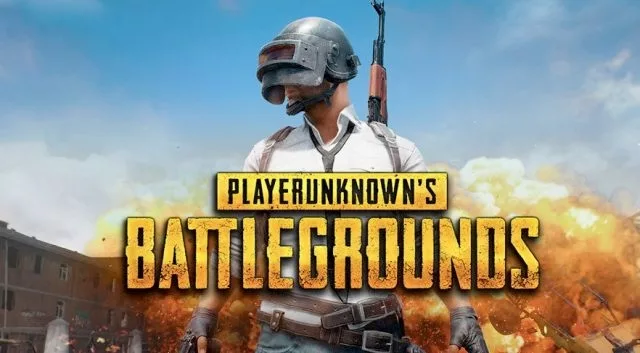
Our team has tracked both games across their full commercial lifespans, analyzing how each title has evolved in response to competitive pressure, community feedback, and shifting market conditions. The battle royale genre, which traces its design lineage through decades of gaming and film influence, reached its commercial apex through the simultaneous rise of these two titles — a rivalry that defined an entire era of multiplayer gaming culture and continues to draw new participants into competitive gaming globally.
Our coverage of competitive shooters — including an in-depth Titanfall 2 retrospective examining long-term game design — and broader research into the documented social and cognitive benefits of video games informs the analytical framework we apply here. The following breakdown addresses the origins, mechanical differences, strategic demands, technical realities, and persistent myths that define the Fortnite vs PUBG conversation.
Contents
- How the Battle Royale Rivalry Between Fortnite and PUBG Took Shape
- Fortnite vs PUBG Which Is Better: The Clearest Points of Difference
- Strategic Errors That Define Losing Matches
- Performance, Platforms, and Technical Realities
- Fortnite vs PUBG Which Is Better: Separating Myth from Documented Fact
- Frequently Asked Questions
How the Battle Royale Rivalry Between Fortnite and PUBG Took Shape
The Origins of Two Competing Visions
PlayerUnknown's Battlegrounds launched in early access in March 2017 under Brendan "PlayerUnknown" Greene's direction at PUBG Corporation, drawing its 100-player survival concept from Greene's earlier Arma modding work and the cultural template of the Japanese film Battle Royale. PUBG established the commercial blueprint for the entire genre — one island, one hundred players, one survivor — before Epic Games launched Fortnite Battle Royale as a free standalone mode in September 2017, directly targeting PUBG's market position with a radically different monetization model and visual identity. The simultaneity of these two titles' rise was not coincidental; Epic built Fortnite Battle Royale with explicit awareness of PUBG's momentum.
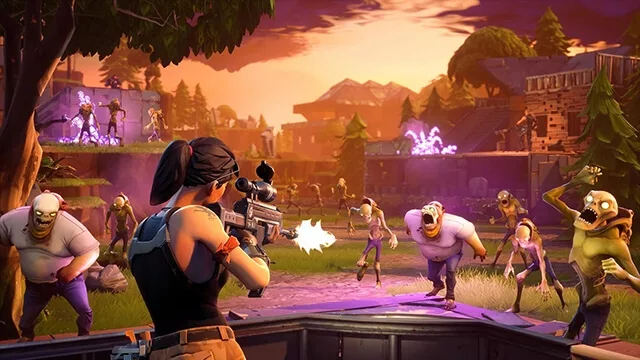
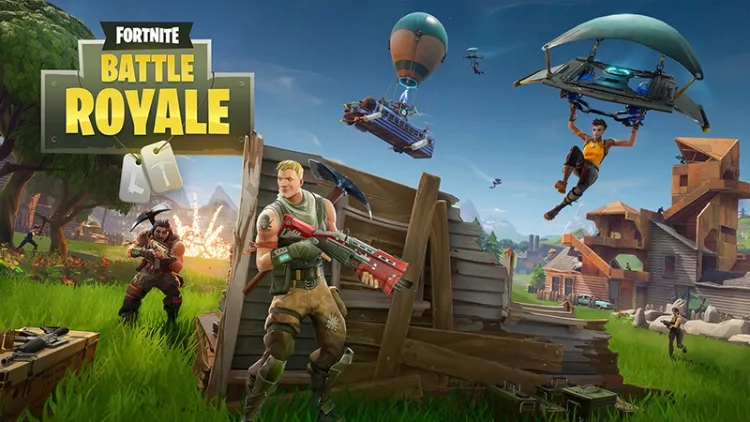
Epic's decision to release Fortnite Battle Royale at no cost proved decisively disruptive, expanding the genre's reach beyond the PC gaming audience that PUBG had captured to include console players, mobile users, and casual gaming communities that had never engaged with tactical shooters. The building system — allowing real-time construction of cover, ramps, and fortifications during active combat — introduced a skill dimension that distinguished Fortnite from every battle royale title that came before or followed it. No other mainstream game in the genre has replicated this mechanic at competitive scale.
Cultural Crossover and Mainstream Recognition
Both games transcended their genre to become broader cultural phenomena, with Fortnite's in-game concerts, seasonal events, and character crossovers generating entertainment press coverage that parallels the cultural momentum surrounding major video game adaptations across film and television. PUBG, meanwhile, established the esports infrastructure and competitive vocabulary that battle royale gaming now operates within globally. The cultural footprint of both titles extends far beyond their player counts, reshaping game design philosophy, streaming culture, and the broader entertainment industry's perception of what interactive media can sustain commercially over time.
Fortnite vs PUBG Which Is Better: The Clearest Points of Difference
Where Fortnite Holds the Immediate Advantage
Fortnite's zero-cost entry removes the financial barrier that limits PUBG's audience to committed enthusiasts, and the battle pass model generates substantial revenue without paywalling competitive performance — a distinction the gaming community has recognized as genuinely significant. The building mechanic rewards creative spatial thinking and rapid decision-making in ways that no other mainstream battle royale title replicates at scale. Our team consistently observes that newcomers to the genre build fundamental competitive skills faster within Fortnite's accessible and forgiving ecosystem than within PUBG's unforgiving tactical environment.
Team insight: For anyone new to battle royale gaming, Fortnite's free entry point and forgiving mechanics provide a substantially better foundation for building real competitive skill than PUBG's tactical demands impose at the outset.
Where PUBG Establishes Its Edge
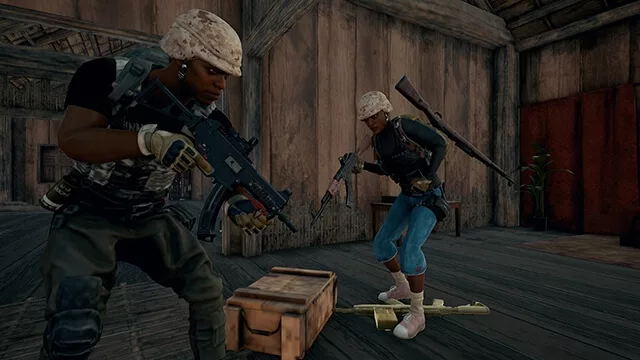
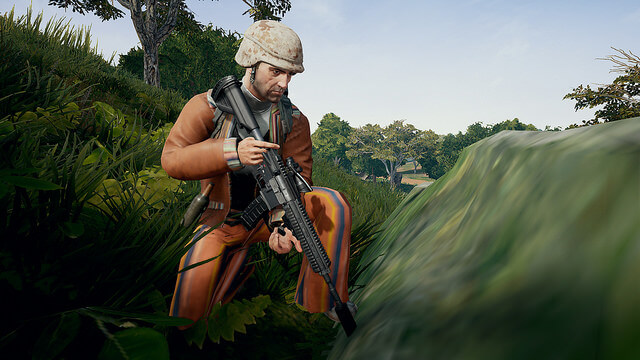
PUBG's commitment to ballistic realism — encompassing bullet drop, realistic weapon handling, extensive military-grade equipment variety, and punishing vehicle physics — creates a competitive environment where positioning and map knowledge outweigh improvisation every time. The game's multiple maps span areas significantly larger than Fortnite's rotating island, demanding patience, long-range decision-making, and zone-read discipline that reflex-based play alone cannot compensate for. PUBG's tactical depth remains unmatched among mainstream battle royale titles, which sustains its dedicated competitive community despite Fortnite's considerably larger overall player base and cultural visibility.
Players investing in hardware to support either title — evaluating display options as our team analyzed in the TV vs. monitor gaming comparison, or optimizing processing power as detailed in the AMD Ryzen vs. Intel CPU analysis — will find that PUBG's higher system demands make those hardware choices far more consequential than Fortnite's more forgiving technical requirements allow.
| Feature | Fortnite | PUBG |
|---|---|---|
| Cost | Free to Play | Paid (~$29.99) |
| Art Style | Cartoonish, vibrant | Realistic, military |
| Core Mechanic | Shoot + Build | Shoot + Survive |
| Map Scale | Moderate (rotating) | Large (multiple maps) |
| Ballistic Realism | Arcade | Tactical Simulation |
| Platform Availability | PC, Console, Mobile, Switch | PC, Console (limited mobile) |
| Monetization Model | Free + Battle Pass | Paid Entry + Cosmetics |
| Esports Tier | Fortnite Champion Series | PUBG Global Championship |
Strategic Errors That Define Losing Matches
Mistakes That Undermine Fortnite Performance
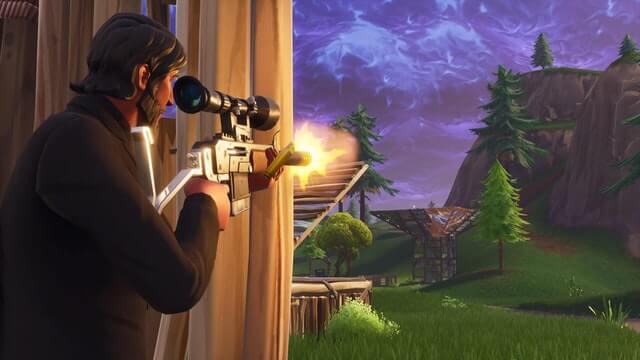
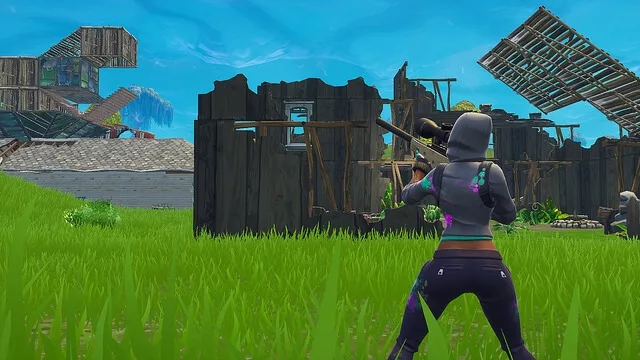
The most consistently costly error our team has observed in Fortnite gameplay is the failure to develop building proficiency alongside shooting mechanics — treating the title as a conventional third-person shooter rather than the hybrid combat system it actually is. Players who neglect building reduce their competitive ceiling dramatically, leaving themselves unable to create cover under fire, deny enemy sightlines, or contest high-ground positions that experienced opponents exploit as a matter of routine. Building is not supplementary in competitive Fortnite; it is the defining skill separator between average and elite performance, and players who treat it as optional consistently plateau well below their mechanical shooting ceiling.
Mistakes That Undermine PUBG Runs
In PUBG, the most damaging tactical error is aggressive early-game looting in high-density drop zones without the mechanical skill to win the immediate firefights that follow, producing quick eliminations that yield neither resources nor positional advantage for the broader match. Our analysis of competitive PUBG play confirms that patience — landing in mid-tier loot zones, building inventory methodically, and tracking zone collapse before committing to engagements — correlates far more strongly with consistent high placement than early aggression does, regardless of mechanical shooting ability.
Warning: Players who approach PUBG with run-and-gun arcade instincts find themselves eliminated in the early game far more consistently than those who prioritize positional discipline — the game's systems are built to punish impatience decisively.
Performance, Platforms, and Technical Realities
System Requirements and Frame Rate Realities
PUBG's system requirements are meaningfully higher than Fortnite's, reflecting its commitment to environmental detail and ballistic simulation rather than the optimized stylized graphics pipeline that Fortnite employs. On equivalent hardware, most players report smoother and more consistent frame rates in Fortnite, which has historically maintained stronger optimization across a wider range of system configurations — from high-end gaming rigs to mid-range builds. Players building a dedicated gaming station — a process our team has explored in the comprehensive family game room setup guide — should factor these performance differences into hardware investment decisions from the earliest planning stages.
Cross-Platform Availability and Player Pool Health
Fortnite's cross-platform implementation is among the most comprehensive in the genre, unifying players across PC, PlayStation, Xbox, Nintendo Switch, and mobile under a single account and progression system that allows seamless play across devices. PUBG's cross-platform infrastructure remains more limited, with console and PC pools typically separated, which affects matchmaking speed in certain regions and during off-peak hours. Both titles maintain globally healthy player populations, though Fortnite's free-to-play entry continuously draws new participants into its ecosystem in ways that a paid title's structure is structurally prevented from replicating at the same rate.
Fortnite vs PUBG Which Is Better: Separating Myth from Documented Fact
The "Fortnite Is Only for Children" Misconception
The perception that Fortnite's colorful aesthetic signals a children's game is directly contradicted by competitive data: the Fortnite Champion Series has distributed millions of dollars in prize money to adult competitors operating at mechanical skill levels that casual play never approaches. The game's building mechanics demand rapid cognitive processing, spatial awareness, and precision that separates elite players from the average population far more sharply than most competitive titles do. Fortnite's competitive scene ranks among the most mechanically demanding in organized esports, irrespective of its visual presentation, and our team identifies the aesthetic-as-difficulty-indicator assumption as one of the most persistent and inaccurate readings in competitive gaming culture.
The "PUBG Is More Realistic" Overstatement
While PUBG is demonstrably more realistic than Fortnite in its ballistic modeling, pacing, and equipment systems, describing it as a military simulation significantly overstates the case — the game employs compression zones, randomized loot, and balancing abstractions that no genuine tactical environment would tolerate. Our team describes PUBG more accurately as a tactical-leaning shooter that rewards patience and positional awareness over improvisation, rather than a simulation in the strict operational sense. Players approaching PUBG with pure military-sim expectations frequently encounter frustration with its entertainment-first compromises, while those familiar with the broader history of competitive game design and genre evolution recognize it as a sophisticated and disciplined variation within an established creative tradition.
Frequently Asked Questions
Is the answer to Fortnite vs PUBG which is better determined by skill level?
Skill level is a significant factor in this assessment. Our team's observation is that beginners and casual players adapt faster within Fortnite's accessible structure and forgiving mechanics, while experienced tactical shooter veterans often find PUBG's realistic ballistic systems and slower pacing more rewarding and sustainably competitive. The "better" game shifts depending on where a player currently sits in their competitive development and what type of mastery they are pursuing.
Does PUBG cost money while Fortnite is completely free?
Yes — PUBG requires a one-time purchase of approximately $29.99 on PC via Steam, while Fortnite is entirely free to download and play across all supported platforms. Both games offer cosmetic purchasable content through their respective store systems, but neither title paywalls competitive performance or map access behind additional spending, which means purchased content affects appearance only.
Which game maintains the larger active player base globally?
Fortnite maintains the larger total and active player base by a substantial margin, with Epic Games reporting over 350 million registered accounts. PUBG's player population, while considerably smaller, remains robust and deeply engaged, particularly within its dedicated tactical shooting and esports communities, where the game continues to operate competitive circuits at an international level.
Can most players run both games on a standard gaming PC without major issues?
Fortnite runs comfortably on a broader range of hardware configurations due to its more forgiving engine optimization and scalable graphic settings. PUBG's higher system requirements mean that mid-range and older PC builds may encounter notable performance drops, particularly in high-density combat scenarios, making hardware investment a considerably more pressing consideration for prospective PUBG players than for those entering Fortnite's ecosystem.
In the Fortnite vs PUBG debate, the winner has always been determined by the player's own priorities — and recognizing that distinction is the most useful insight the entire comparison can offer.


About Mike Jones
Mike Jones grew up in the golden age of arcade and home gaming — a childhood shaped by Atari classics like Pitfall, Frogger, and Kaboom that gave him a lifelong appreciation for games of all kinds. These days he covers the full breadth of tabletop and family gaming: board games, card games, yard games, table games, and game room setup, with a particular focus on finding the games that bring different groups together. At GamingWeekender, he covers game reviews, buying guides, and recommendations for families, friends, and hobbyists who take their leisure seriously.
You can get FREE Gifts. Or latest Free phones here.
Disable Ad block to reveal all the info. Once done, hit a button below