Have you ever wondered why certain games stay with you for years while others are forgotten the moment you put down the controller? The answer almost always comes down to story. The best video game stories deliver something passive entertainment never can — they place you inside the narrative, making every choice feel personally earned. Across the full spectrum of video games, from action blockbusters to quiet indie titles, a handful of experiences have proven that this medium rivals the finest novels and films ever made.
Video game storytelling has matured from basic text adventures into layered, emotionally sophisticated narratives exploring grief, identity, free will, and survival with genuine depth. The games on this list did not merely tell good stories — they redefined what interactive storytelling can accomplish, setting benchmarks that developers across every genre still pursue. You will find entries spanning multiple platforms and eras here, but every one earns its place through sustained narrative power rather than momentary spectacle.
Interactive storytelling as a design discipline draws directly from the innovations these games pioneered, transforming player agency from a simple gameplay gimmick into a genuine narrative tool. This guide ranks the ten titles that best demonstrate what the medium can achieve, explains what sets each one apart, and gives you practical guidance for getting the most out of every story-driven game you play going forward.
Contents
Where the Best Video Game Stories Shine
Not every genre approaches narrative with the same tools or ambitions, but certain categories have consistently produced the most memorable story-driven experiences in the medium. Understanding which genres excel at storytelling tells you exactly where to look when you want a game that will genuinely move you rather than simply entertain you for a weekend.
RPGs and Adventure Games
Role-playing games have always given story the most room to breathe, because when you invest dozens of hours building a character and making choices, the narrative payoffs hit with a force that shorter experiences cannot match. Games like Final Fantasy VI and the Mass Effect trilogy are benchmarks precisely because they weave world-building, character arcs, and player agency into a single seamless experience that keeps revealing new depths the more time you invest. Adventure games take a similar approach — prioritizing dialogue, atmosphere, and consequence over reflex-based gameplay to deliver narratives that reward patience and close attention.
Pro tip: If you want the full emotional impact from an RPG story, resist looking up walkthroughs — letting each choice land naturally without foreknowledge makes every revelation hit significantly harder.
Horror and Psychological Thrillers
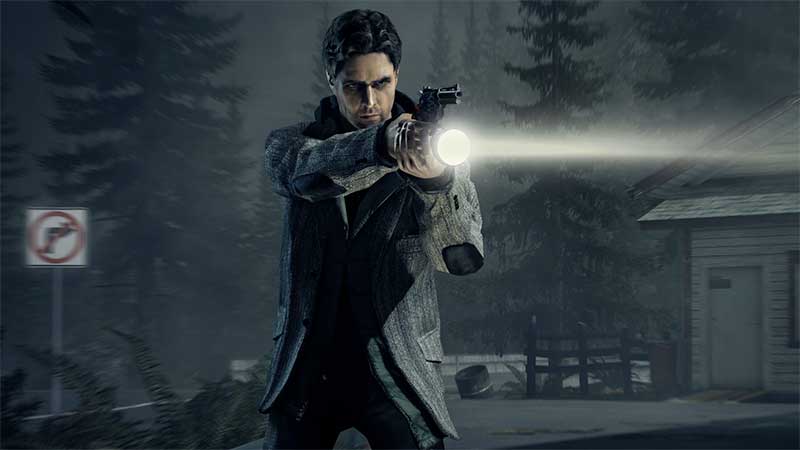
Horror games occupy a storytelling space that no other genre can replicate, because fear itself becomes a narrative tool when deployed with purpose and discipline. Silent Hill 2 and SOMA use dread and environmental ambiguity to explore themes that a comfortable adventure game simply cannot reach, placing you in situations where the discomfort is entirely intentional and entirely earned. Psychological thrillers like Alan Wake blur the lines between gameplay and literary fiction, building stories that reward close attention and reveal new layers on every subsequent playthrough you commit to.
Open World Narratives
Open world games present a particular storytelling challenge: the main narrative competes with dozens of side quests, distractions, and empty content that can dilute emotional momentum if handled carelessly. The titles that solve this problem — most notably Red Dead Redemption — do so by ensuring every corner of the world feels like it belongs to the same coherent story, so exploration deepens the narrative rather than interrupting it. Even the emergent, player-driven storytelling found in sandbox games like those covered in our guide to how to play Minecraft demonstrates that players instinctively seek narrative structure in open worlds, confirming how powerful story becomes when the environment actively supports it.
Why Some Narrative Games Fall Short
For every game on this list, dozens of story-driven titles had every ingredient for greatness but still failed to land. Recognizing these pitfalls helps you understand why the best video game stories are rarer than they should be — and why every entry here required its developers to solve genuinely difficult creative problems that most games never even attempt.
Common Storytelling Pitfalls
The most frequent failure is prioritizing spectacle over substance. When a game leads with expensive visual set pieces but neglects character motivation and internal logic, the story feels hollow regardless of its production values. Other problems that consistently derail narrative games include:
- Underdeveloped supporting characters who exist only to move the protagonist forward and vanish the moment that purpose is served
- Dialogue that explains plot rather than revealing character, turning every conversation into a briefing rather than an exchange between real people
- Consequence-free choices that undermine player agency and break narrative immersion at the exact moment the game needs you most to care
- Tonal inconsistency that interrupts serious story beats with jarring humor or disconnected gameplay loops that destroy emotional momentum entirely
Pacing and Structure Problems
Pacing is the storytelling element that most narrative games get wrong, and it does the most damage when mishandled throughout a playthrough. A story can survive a weak villain or a predictable twist, but it cannot survive three hours of gameplay where nothing meaningful happens and the player loses connection to the emotional stakes entirely. The Last of Us is the gold standard for pacing in games: its quiet moments are as carefully constructed as its most intense sequences, and neither type of scene overstays its welcome by even a single beat.
Warning: Avoid reading plot summaries or watching cutscene compilations before you play these games — the full emotional impact depends entirely on earning each revelation through the gameplay itself, in context.
Getting the Most from Story-Driven Games
The way you approach a story-driven game shapes how deeply the narrative lands when it reaches its most important moments. A few deliberate adjustments to your setup and mindset can transform a good playthrough into a genuinely unforgettable one that stays with you long after the credits roll.
Mindset and Approach
Treat a story-driven game the way you treat a great novel — give it your full, undivided attention rather than treating it as background entertainment. Playing in longer sessions matters because narrative momentum is real and fragile: a great story can lose you entirely if you set it down for three days in the middle of its most critical act. Engage with every piece of optional dialogue and environmental lore you encounter, because the games on this list consistently hide their most emotionally resonant moments in content that is technically optional but narratively essential.
Sound design is equally critical to getting these experiences right. Most of these games use audio — music, ambient noise, and above all, voice performance — as a primary storytelling layer in its own right. Our roundup of the top video game voice actors covers many of the performers who deliver career-defining work across these titles, and you will miss their nuance entirely if you play through laptop speakers or with the volume turned low.
Building the Right Setup
Your hardware affects immersion more than most players consider until something goes wrong at the worst possible narrative moment. Frame rate drops during a key emotional cutscene break immersion instantly and in ways that are genuinely difficult to recover from. Our breakdown of Intel Core i5 vs i7 for gaming clarifies which processor actually matters for the demanding, narrative-heavy games on this list. Our guide on how much RAM you need for gaming ensures these titles run smoothly from the opening scene to the final credits without interruption. Physical comfort matters too for long narrative sessions — the DXRacer vs Secretlab gaming chair comparison can help you find a setup that keeps you locked in through a five-hour story stretch without distraction pulling you out of the experience.
The 10 Games That Define Narrative Excellence
These are the ten titles that have most powerfully demonstrated what the best video game stories can accomplish, each bringing something genuinely new to interactive storytelling that developers across the industry have been studying and building on ever since.
Emotional Heavyweights
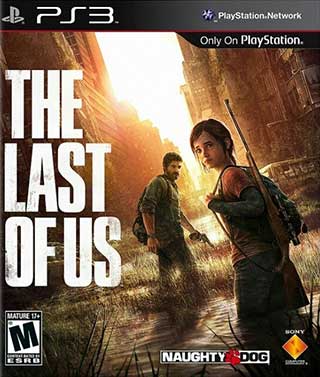
1. The Last of Us — Naughty Dog's post-apocalyptic masterpiece redefined what mainstream gaming could achieve emotionally. The relationship between Joel and Ellie develops with a patience and authenticity that most films would envy, and the game never once sacrifices narrative honesty for comfort or easy resolution.
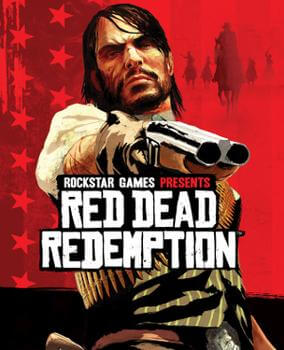
2. Red Dead Redemption — Arthur Morgan's story is one of the most complete character arcs in gaming, a journey through a dying world that functions as both setting and metaphor. The open American frontier gives the narrative a scale and melancholy that lingers for weeks after the credits roll, anchored by a protagonist whose moral complexity deepens with every mission you complete.
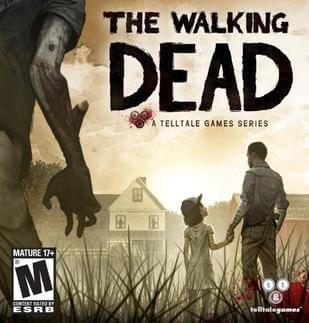
3. The Walking Dead (Telltale) — This episodic adventure proved definitively that player choice could produce genuine emotional devastation when deployed with skill. The bond between Lee and Clementine is built entirely through dialogue decisions you make across multiple episodes, making the story feel uniquely yours in a way that purely linear narratives are structurally incapable of replicating.
Philosophical Deep Dives
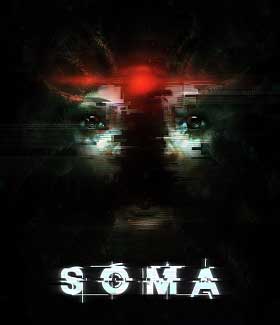
4. SOMA — Frictional Games built one of gaming's most unsettling philosophical narratives around questions of consciousness, identity, and what survival actually means when you can transfer your mind to a new body. SOMA refuses to offer comfortable answers to any of the questions it raises, and the discomfort it produces through your direct participation is entirely intentional and entirely earned.
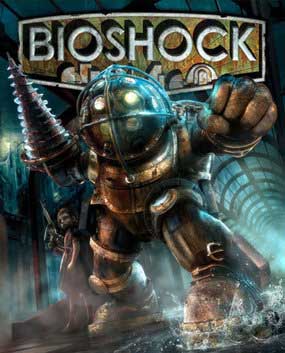
5. BioShock — The original BioShock remains a landmark in environmental storytelling and political thematic depth. Its critique of Randian objectivism unfolds through audio logs, architecture, and enemy design as much as through any cutscene, rewarding players who pay close attention to every detail in the ruined underwater city of Rapture.
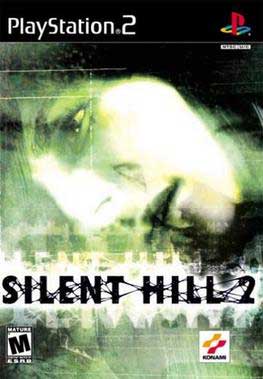
6. Silent Hill 2 — James Sunderland's journey into Silent Hill is one of gaming's most psychologically complex narratives, using horror mechanics as direct expressions of its protagonist's repressed guilt and grief. The town itself functions as a character shaped entirely by James's subconscious, making every encounter feel profoundly personal rather than generically threatening.
Genre-Defining Classics
7. Final Fantasy VI — Unlike most RPGs, this game anchors its story around a full ensemble cast rather than a single protagonist, giving every party member a genuinely compelling arc that earns its dramatic payoff. Kefka, the central villain, remains one of gaming's most effective antagonists because he actually achieves his goals — something few fictional villains in any medium ever do.
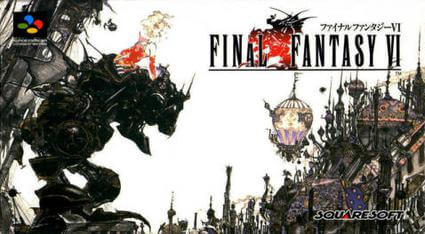
Pro insight: Final Fantasy VI hides some of its most powerful character moments in completely optional content — recruiting every available party member reveals emotional depth the main storyline alone never reaches.
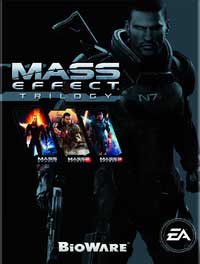
8. Mass Effect Trilogy — BioWare's trilogy is the most ambitious narrative in gaming measured purely by scope and continuity, with choices from the first game creating ripple effects that echo through two sequels and dozens of additional hours of story. The relationships you build with your crew across three installments create an emotional investment that no single-game narrative has ever fully replicated, making the trilogy a uniquely cumulative experience you earn rather than simply receive.
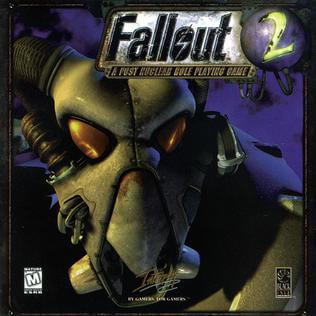
9. Fallout 2 — The post-nuclear RPG tradition reaches its narrative peak here, combining dark humor, genuine moral ambiguity, and extraordinary world-building into an experience that rewards every hour of deep exploration. The game treats you as an adult capable of navigating complex ethical terrain, and its world reflects the full, uncomfortable spectrum of human behavior under conditions of extreme scarcity and civilizational collapse.
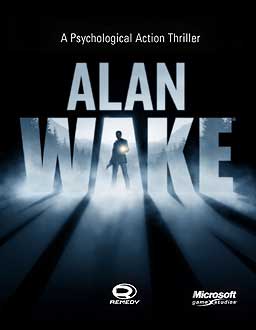
10. Alan Wake — Remedy Entertainment's psychological thriller bends genre conventions by making its protagonist a horror novelist whose fictional creations physically manifest in the world around him. The meta-narrative layer gives this game a literary self-awareness that no other title on this list attempts, and the atmospheric Pacific Northwest setting amplifies every beat of the story's unsettling, recursive tension throughout.
Story and Gameplay: A Side-by-Side Look at the Top Titles
Choosing which story-driven game to start with depends on what you value most in an experience. This table breaks down each entry by its core narrative theme, gameplay style, and who it suits best, so you can match the right title to where you are as a player right now.
| Game | Genre | Core Story Theme | Gameplay Style | Best For |
|---|---|---|---|---|
| The Last of Us | Action-Adventure | Survival & grief | Third-person combat | All players |
| Red Dead Redemption | Open World | Consequence & honor | Free exploration | All players |
| The Walking Dead | Episodic Adventure | Player choice & loss | Point-and-click | Non-gamers & beginners |
| SOMA | Survival Horror | Consciousness & identity | First-person exploration | Experienced players |
| BioShock | FPS | Political philosophy | First-person shooter | Most players |
| Silent Hill 2 | Survival Horror | Guilt & psychology | Third-person exploration | Experienced players |
| Final Fantasy VI | RPG | Ensemble cast drama | Turn-based combat | RPG fans |
| Mass Effect Trilogy | Action RPG | Galaxy-scale epic | Third-person shooter/RPG | Long-form players |
| Fallout 2 | RPG | Moral ambiguity | Isometric RPG | PC RPG veterans |
| Alan Wake | Psychological Thriller | Meta-narrative & fiction | Third-person shooter | Literary-minded players |
If you are new to narrative gaming, The Walking Dead and The Last of Us give you the most accessible entry points without demanding prior gaming experience to follow the story. Players who want to make these experiences social can learn how to start a gaming clan to discuss story beats, debate choices, and turn these solo narrative experiences into shared ones through organized community play.
Frequently Asked Questions
What makes a video game story genuinely great?
The best video game stories combine emotionally compelling characters with meaningful player agency, so that the choices you make carry real narrative weight and outcomes feel earned rather than predetermined. Consistent pacing, thematic depth, and strong supporting characters are equally essential — they separate truly exceptional narratives from merely competent ones that hit story beats without landing them.
Which single game has the best story in the medium?
Most critics and long-time players point to The Last of Us as the most emotionally effective single story in gaming, primarily because of its authentic character development and willingness to explore grief without false resolution or easy comfort. However, Mass Effect, Silent Hill 2, and Red Dead Redemption all make equally legitimate cases depending on what you value most in a narrative experience.
Can story-driven games be enjoyable if you struggle with gameplay mechanics?
Absolutely — most of the best narrative games offer accessibility options or reduced difficulty modes so that players who prioritize story over mechanical challenge can experience the full narrative without frustration blocking their progress. The Walking Dead by Telltale is the most accessible entry point on this list, functioning essentially as an interactive story with minimal traditional gaming skill required to reach its ending.
Are older games like Fallout 2 and Final Fantasy VI still worth playing today?
Yes, and their stories have aged considerably better than their graphics, because strong writing and compelling characters do not expire the way visual technology does. The themes these titles explore — moral ambiguity, grief, oppression, and identity — are as relevant and resonant today as they were at their original release, which is the truest test of narrative quality in any medium.
How do video game stories compare to novels and films as a storytelling format?
Story-driven games offer something novels and films structurally cannot — they place you inside the narrative as an active participant rather than an observer, making emotional stakes feel personal in a way that transforms storytelling from a passive experience into a genuinely collaborative one between the designer and you as the player. That interactivity is the medium's greatest narrative advantage and the reason the games on this list hit as hard as they do.
Do I need to play prior games in a series to understand the stories here?
For standalone titles like The Last of Us, Silent Hill 2, and BioShock, you need no prior knowledge — each tells a fully self-contained story on its own terms without requiring outside context to follow or appreciate. Mass Effect is the major exception: it is designed as one continuous narrative across three games, and starting from the first entry is essential rather than merely recommended if you want the full emotional payoff of the trilogy's conclusion.
The games that stay with you longest are not the ones with the best graphics or the deepest mechanics — they are the ones where the story made you forget you were playing a game at all.


About Mike Jones
Mike Jones grew up in the golden age of arcade and home gaming — a childhood shaped by Atari classics like Pitfall, Frogger, and Kaboom that gave him a lifelong appreciation for games of all kinds. These days he covers the full breadth of tabletop and family gaming: board games, card games, yard games, table games, and game room setup, with a particular focus on finding the games that bring different groups together. At GamingWeekender, he covers game reviews, buying guides, and recommendations for families, friends, and hobbyists who take their leisure seriously.
You can get FREE Gifts. Or latest Free phones here.
Disable Ad block to reveal all the info. Once done, hit a button below