DXRacer vs Secretlab: Key Factors to Consider When Choosing a Gaming Chair
by Mike Jones
When comparing the DXRacer vs Secretlab gaming chair market, Secretlab generally leads on build quality and long-term durability, while DXRacer competes on model variety and more accessible entry-level pricing. The right choice depends on body dimensions, daily usage hours, and how much buyers want to invest upfront. For gamers who have already worked through their hardware stack, browsing the video games hub for setup guidance, the chair often turns out to be the component that makes the most difference during extended play sessions.
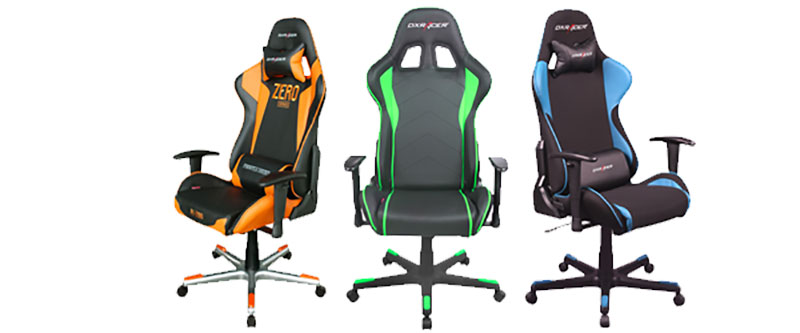
DXRacer launched the racing-style gaming chair category more than a decade ago, building brand recognition through esports tournament sponsorships and a product catalog wide enough to cover most body types and budgets. Secretlab entered the market later with a narrower product range and a clear focus on premium upholstery materials, refined lumbar engineering, and longer warranty coverage. Both companies have since expanded their lineups, which makes a direct side-by-side evaluation more relevant and nuanced than a simple better-or-worse verdict.
A thorough comparison goes well beyond color schemes and racing-style aesthetics. Foam density, lumbar support design, armrest articulation range, recline angles, and material breathability all determine how a chair actually performs after months of daily use, and each brand handles these design decisions from a distinctly different starting point.
Contents
- First, Get to Know the Brands
- What Actually Matters When Choosing a Gaming Chair
- DXRacer vs Secretlab Gaming Chair: Price Breakdown
- Entry-Level Buyers vs. Long-Session Enthusiasts
- How Both Chairs Hold Up in Real Game Room Setups
- Solving Common Comfort and Wear Problems
- Getting More from a Gaming Chair Investment
- Frequently Asked Questions
- Key Takeaways
First, Get to Know the Brands
DXRacer was founded in 2001, originally manufacturing seats for racing cars before pivoting to office and gaming chairs around 2006. The company's early esports sponsorships helped establish the racing bucket seat silhouette as the default visual identity of gaming chairs across the industry. Its catalog now spans multiple series — Formula, Racing, King, and others — designed to accommodate different body sizes, weight ranges, and sitting preferences, with some models supporting users well above 300 pounds.
Secretlab was founded in Singapore in 2014 by two gaming enthusiasts who believed the market lacked a chair that combined genuine ergonomic function with materials that could hold up over years of daily use. The company grew rapidly through community word-of-mouth and high-profile partnerships with esports organizations including the LCS and LEC. Secretlab's current flagship, the TITAN Evo series, replaced earlier models with a redesigned internal structure, a built-in adjustable lumbar mechanism, and significantly upgraded upholstery options that have become a core part of the brand's identity.
Both brands have produced limited-edition designs in collaboration with major gaming franchises, which has kept them visible to mainstream gaming audiences beyond dedicated hardware communities. Understanding where each brand started helps explain the design philosophy differences that still distinguish their chairs today.
What Actually Matters When Choosing a Gaming Chair
Most buyers focus on aesthetics first — stitching patterns, side bolsters, colorways — but the factors that determine long-term satisfaction are largely invisible in product photos. Several elements deserve attention before any purchase decision is finalized.
Ergonomics and Adjustability
Lumbar support is the single most consequential factor for users who sit for more than three hours at a stretch. DXRacer relies on a detachable memory foam lumbar pillow on most models, which provides some placement flexibility but can shift out of position during active gaming sessions. Secretlab's TITAN Evo includes a built-in 4-way adjustable lumbar system integrated directly into the chair's back shell, which holds its position reliably without any external pillow. Established ergonomics principles recommend maintaining the natural inward curve of the lower spine during prolonged sitting, and a fixed internal system tends to handle that requirement more consistently than a pillow-based solution.
Armrest adjustability also differs between the two brands in meaningful ways. DXRacer's entry-level models offer 3D armrests, while higher-tier options move to 4D. Secretlab includes 4D armrests as a standard feature across most of its lineup, with independent control over height, lateral shift, tilt, and forward-backward depth.
Materials and Upholstery
DXRacer equips most of its chairs with standard PU leatherette or basic fabric covers, which are functional but tend to show wear more visibly after extended use. Secretlab offers three distinct material tiers — NEO Hybrid leatherette, SoftWeave fabric, and NAPA leather — each tuned for different climate conditions and personal comfort preferences. The SoftWeave fabric option performs particularly well in warmer environments where PU leather can trap heat and cause discomfort after just an hour or two of seated use.
DXRacer vs Secretlab Gaming Chair: Price Breakdown
Budget is often the deciding factor in this comparison, and both brands target meaningfully different price segments. DXRacer's most affordable models start around $200, making the brand accessible to buyers who want a significant upgrade from a basic office chair without committing to a large purchase. Secretlab's pricing starts higher and reflects its positioning as a premium product, with fewer visible cost-cutting measures in the materials and internal engineering.
Side-by-Side Specifications
| Feature | DXRacer | Secretlab |
|---|---|---|
| Price Range | ~$200–$500 | ~$349–$599 |
| Lumbar Support | Detachable pillow | Built-in 4-way adjustable |
| Armrests | 3D or 4D (model dependent) | 4D standard across lineup |
| Foam Type | Standard molded foam | Cold-cure foam |
| Upholstery Options | PU leatherette, fabric | NEO Hybrid, SoftWeave, NAPA leather |
| Max Recline | 135° | 165° |
| Weight Capacity | Up to 350 lbs (King series) | Up to 290 lbs |
| Warranty | 2 years | 5 years |
Cold-cure foam retains its shape significantly longer than standard molded foam — most users report a noticeable difference in seat cushion depth after 12 to 18 months of daily use, which affects both comfort and posture over time.
Secretlab's five-year warranty represents a meaningful advantage over DXRacer's two-year coverage, particularly for buyers who plan to use the chair as a daily workstation seat in addition to gaming hours. When calculating cost per year of expected use, the price gap between the two brands narrows considerably. Buyers who already apply cost-per-performance logic to other components — the same reasoning that drives comparisons like how much RAM is actually needed for gaming — tend to find Secretlab's long-term value proposition more compelling when viewed over a three-year horizon.
Entry-Level Buyers vs. Long-Session Enthusiasts
Occasional Gamers
Users who game for two hours or fewer on most days are unlikely to notice the ergonomic performance differences that justify Secretlab's higher price point. DXRacer's Formula or Racing series offers adequate support for lighter use, and the broader model selection makes it easier to find the right fit without stretching a budget. For this group, spending additional money on display quality — such as the choice between IPS, TN, and VA panels for gaming — might produce a more immediately noticeable improvement to the overall setup experience.
Dedicated Daily Users
Gamers and remote workers who spend five or more hours per day seated will likely benefit meaningfully from Secretlab's more refined ergonomic engineering. The built-in lumbar system and cold-cure foam combine to provide more consistent spinal support over long periods, and the 165-degree recline allows for more varied seated positions during extended sessions without requiring a full stand-up break. The higher upfront cost tends to pay for itself over a two-to-three-year period when weighed against the recurring discomfort or replacement costs associated with chairs that degrade more quickly under heavy use.
How Both Chairs Hold Up in Real Game Room Setups
In actual game room configurations — whether a dedicated gaming den, a shared bedroom desk setup, or a dual-purpose home office — both chairs behave differently depending on the environment and user profile. DXRacer's broader model selection means it is generally easier to find a specific size that accommodates very tall or large-framed users, particularly through the XL and King series options, which extend the brand's usability at the extremes of the body size spectrum.
Secretlab's TITAN Evo comes in Small, Regular, and XL sizes, covering the majority of users effectively but offering fewer choices at the outer edges of the sizing range. Users who approach a gaming chair purchase with the same analytical mindset applied to other hardware decisions — like the tradeoffs examined in guides on SSD vs HDD for gaming or optimal CPU and GPU temperatures — tend to appreciate Secretlab's more transparent material specifications and publicly documented internal construction.
Long-term durability reports from gaming communities consistently show that Secretlab chairs maintain structural integrity and cushion depth better after two to three years of heavy daily use, while some DXRacer models show more visible wear on armrest surfaces and upholstery stitching within a similar timeframe. Neither brand is immune to wear under heavy use, but the quality gap becomes most apparent in the $300–$400 price range where both brands compete directly.
Solving Common Comfort and Wear Problems
Foam Compression Over Time
Seat cushion compression is one of the most commonly reported long-term complaints across both brands and typically becomes noticeable after 12 to 18 months of daily use. Adding a separate high-density memory foam seat cushion can extend the comfortable lifespan of either chair significantly without requiring a full replacement. This practical workaround is widely recommended across gaming communities and adds relatively little cost compared to buying a new chair entirely.
Lumbar Support Fatigue
Users relying on DXRacer's pillow-based lumbar support often report that the pillow gradually migrates out of position during extended play sessions. The standard fix involves using the included attachment strap more firmly, or replacing the stock pillow with a higher-quality aftermarket option that has stronger elastic attachment and a denser foam core. Secretlab's built-in lumbar system avoids this specific issue, though users who find the built-in range limited can supplement it with a thin foam wedge positioned just beneath the integrated support plate.
Getting More from a Gaming Chair Investment
Regardless of which brand a buyer selects, consistent habits help maximize comfort and chair longevity over time:
- Set armrests to match desk height precisely — armrests that sit just below desk level reduce shoulder tension noticeably during long typing and gaming sessions.
- Recline periodically rather than maintaining a fully upright position for hours at a stretch, since mild backward lean distributes spinal load more evenly across the back and reduces fatigue.
- Clean upholstery monthly with a damp microfiber cloth to prevent skin oils and dust from degrading the surface material ahead of schedule, particularly on PU leatherette covers.
- Check all bolts and connection points every few months, as vibration from peripherals and daily movement can gradually loosen the hardware that secures armrests and the base assembly.
- Position the monitor at proper eye level to complement the chair's ergonomic benefits — the same attention to system harmony that informs decisions like ATX vs Micro ATX motherboard choices applies equally to physical setup design.
Consistent posture awareness ultimately matters as much as chair quality. Even the most ergonomically refined gaming chair provides limited benefit when a seated position involves chronic forward lean or elevated shoulder tension from a misaligned desk height. Small, regular adjustments compound over time into meaningfully better outcomes for users who sit for long hours regularly.
Frequently Asked Questions
Is DXRacer or Secretlab better for tall users?
DXRacer offers more sizing options for taller and larger-framed users through its King and XL series, which support users up to around 350 pounds and accommodate longer torso lengths. Secretlab's TITAN Evo XL covers most tall users effectively, but buyers over 6'4" or with broader shoulder widths may find DXRacer's extended size range more accommodating for a proper fit.
Which brand is better suited for long work sessions beyond gaming?
Secretlab's built-in 4-way lumbar adjustment and cold-cure foam make it a stronger choice for users who spend five or more hours per day seated, whether for gaming or remote work. The integrated lumbar system holds position without shifting, and the wider recline range supports more varied seated postures during long hours at a desk.
Does Secretlab's higher price actually justify the cost difference?
For users who sit for extended daily periods, the combination of cold-cure foam longevity, a five-year warranty, and built-in lumbar support generally justifies the price premium over a two-to-three-year ownership window. For occasional gamers who use a chair for an hour or two each day, the additional cost may not produce a noticeable enough difference to make it worthwhile.
How does DXRacer's warranty compare to Secretlab's?
DXRacer offers a standard two-year warranty on most of its models, while Secretlab provides a five-year warranty across its current lineup. The longer coverage period from Secretlab is particularly relevant for buyers using the chair heavily on a daily basis, as structural and upholstery wear tends to emerge most visibly between the two-year and four-year mark under sustained use.
Can a DXRacer model compete with Secretlab at a similar price point?
At the $350–$400 overlap range, DXRacer's higher-tier models provide competitive adjustability features including 4D armrests and improved lumbar pillow options, but Secretlab's cold-cure foam and integrated lumbar mechanism generally maintain a functional edge in that price bracket. The material quality gap becomes less pronounced at the higher end of DXRacer's catalog, making the decision closer than it appears at entry-level pricing.
Key Takeaways
- Secretlab generally outperforms DXRacer on long-term durability, lumbar support engineering, and material quality, particularly for users who sit for five or more hours daily.
- DXRacer offers a broader range of models and more accessible entry pricing, making it a practical choice for occasional gamers or buyers with tighter budgets.
- Secretlab's five-year warranty and cold-cure foam close the cost-per-year gap significantly when the full ownership window is factored into the price comparison.
- Both brands benefit from consistent maintenance habits — proper armrest positioning, regular cleaning, and periodic hardware checks — that extend comfort and chair lifespan regardless of which option is chosen.


About Mike Jones
Mike Jones grew up in the golden age of arcade and home gaming — a childhood shaped by Atari classics like Pitfall, Frogger, and Kaboom that gave him a lifelong appreciation for games of all kinds. These days he covers the full breadth of tabletop and family gaming: board games, card games, yard games, table games, and game room setup, with a particular focus on finding the games that bring different groups together. At GamingWeekender, he covers game reviews, buying guides, and recommendations for families, friends, and hobbyists who take their leisure seriously.
You can get FREE Gifts. Or latest Free phones here.
Disable Ad block to reveal all the info. Once done, hit a button below