Have you ever fed token after token into a claw machine, watched the prize slip free at the last second, and walked away wondering if winning is even possible? It is — and learning how to win arcade claw machines starts with a simple truth: these aren't purely random devices. They're calibrated machines with exploitable patterns, and players who study those patterns walk away with prizes consistently. Whether you visit the arcade once a year or spend serious time with arcade games of all kinds, this guide gives you a complete, actionable strategy from first observation to final grab.
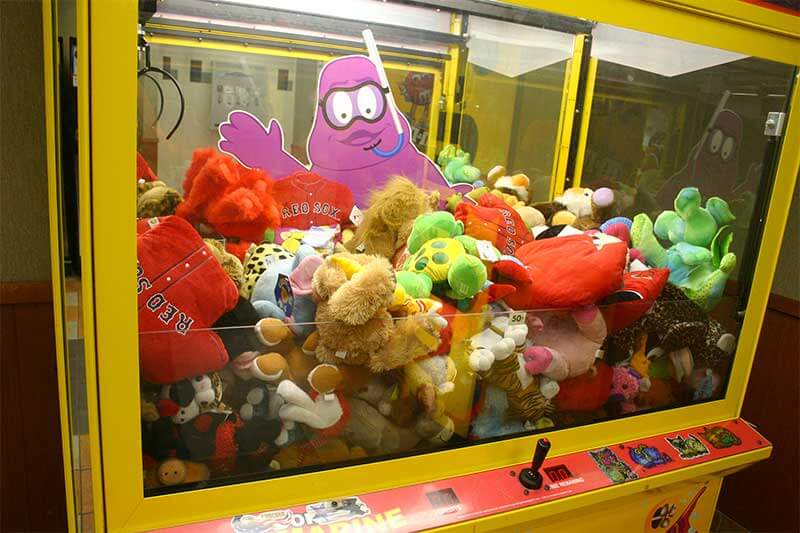
Claw machines have been a staple of arcades and entertainment venues for nearly a century. According to Wikipedia's history of claw cranes, the basic mechanical design has stayed largely the same — but modern digital controls give operators precise authority over claw grip strength and payout frequency. That fact alone changes how you should approach every machine you encounter.
The good news is that within those programmed parameters, your decisions still matter. Positioning, timing, prize selection, and budget discipline all influence your results. This guide breaks down each of those factors so you walk up to every machine with a real strategy, not just a handful of tokens and wishful thinking.
Contents
- The Step-by-Step Playbook for Winning at Claw Machines
- How Much Should You Spend at a Claw Machine?
- Which Claw Machines Are Worth Playing
- When to Play — and When to Walk Away
- Mistakes That Drain Your Tokens
- What Real Winners Do Differently
- Best Practices for Consistent Claw Machine Results
- Frequently Asked Questions
- Next Steps
The Step-by-Step Playbook for Winning at Claw Machines
Observe Before You Play
Before you drop a single token, watch the machine. Stand back and observe several cycles — from other players or from the machine's attract/demo mode. You're watching for two things: how firmly the claw grips during actual attempts, and where the prizes are positioned relative to the drop chute. A claw that tightens visibly during the demo but releases almost immediately on a live play is running on a reduced-strength program. No technique in the world overcomes that — the grip strength simply isn't there to carry a prize home.
Look at the prize pile itself. Prizes that have drifted toward the edge of the bin or are already resting near the chute opening are significantly more winnable. You don't always need a clean, full grip to succeed. A partial grab that nudges a prize over the edge is just as effective, and those opportunities show up more often on well-played machines than most people realize.
Positioning Your Grab for Maximum Hold
Most players lose winnable rounds because of poor claw positioning. The natural instinct is to center the claw directly over the prize, but that produces a top-heavy lift that slips during the swing toward the chute. Instead, aim for the back third of your target. A back-weighted grab causes the prize to tilt forward under the claw's grip, creating more contact surface and dramatically improving hold rate through the full travel arc.
Use both joystick axes deliberately. Lock in your left-to-right alignment first, confirm it, then fine-tune your front-to-back depth. Most machines give you 20 to 30 seconds of movement before locking in — use that time fully. Rushing to hit the drop button before you're properly aligned is one of the most expensive habits a claw machine player can develop.
Pro tip: If you spot a prize already half-hanging over the chute edge, that's your play — regardless of what else is in the bin. It's the highest-percentage grab in the entire machine.
How Much Should You Spend at a Claw Machine?
Understanding Cost Per Play
Claw machines typically charge between $0.50 and $2.00 per play depending on the venue and machine tier. The number that actually matters, though, is cost per win relative to what the prize is worth to you — not its retail price. If a machine charges $1 per play and you spend $15 winning a $5 stuffed animal, the math clearly isn't in your favor. Treating each play as a budgeted decision rather than a casual entertainment expense reframes the entire experience.
Here's a practical breakdown of what you can expect across common machine configurations:
| Machine Type | Cost Per Play | Typical Prize Value | Average Plays to Win | Expected Total Spend |
|---|---|---|---|---|
| Mini novelty claw | $0.50 | $1–$3 | 3–8 | $1.50–$4.00 |
| Standard stuffed animal | $1.00 | $5–$15 | 8–20 | $8.00–$20.00 |
| Premium prize claw | $2.00 | $20–$50 | 10–25 | $20.00–$50.00 |
| Skill-stop hybrid | $1.00–$2.00 | $10–$30 | 5–12 | $5.00–$24.00 |
Setting a Hard Token Budget
Decide what the prize is worth to you before you play, and make that number your absolute ceiling. Not the prize's retail value — the amount you'd willingly hand over for it in a store. Hit that ceiling without winning, and you walk away. This discipline separates players who leave satisfied from those who chase losses and end up spending three times what they planned on a machine that wasn't going to reward them anyway.
The mental discipline of budget-setting carries across arcade formats. If you enjoy strategic arcade play, the same principled approach to per-play decision-making applies to games like pinball. Our pinball tips guide covers how thoughtful play-by-play strategy outperforms reactive instinct — lessons that translate directly to claw machine sessions.
Which Claw Machines Are Worth Playing
Fixed vs. Variable Strength Machines
Not all claw machines operate the same way, and recognizing the difference is one of the most valuable skills you can develop. Fixed-strength machines maintain consistent claw grip on every play — rare in modern arcades, but highly winnable when you find them. Variable-strength machines are the industry standard today: operators program a strong-grip cycle to occur once every predetermined number of plays, and the rest of the time the claw operates at reduced strength regardless of your technique or positioning.
Skill-stop machines — those with a physical stop button that freezes the claw mid-sweep — give you a real mechanical advantage because your decision about when to stop determines the grab angle. If the machine offers a stop button, your skill matters substantially more than the programmed cycle. Seek these out when you have the option.
Reading Prize Weight and Position
Light prizes are consistently better targets than heavy ones. The claw's grip, even during a reduced-strength cycle, is often sufficient to lift a small plush figure weighing just a few ounces. Dense, heavy stuffed animals packed into the center of the bin are the hardest wins on any machine — avoid them until you've confirmed through observation that the claw is in a strong-grip cycle. Your target criteria should be: near the edge, elevated above the main pile, or visibly lightweight.
This same prize-selection logic applies to reading conditions in other redemption arcade games. Our skee-ball machine guide covers how strategic target selection dramatically improves your score — the principle of reading conditions before committing to a shot is identical.
When to Play — and When to Walk Away
Timing Your Sessions
The best time to approach a specific machine is after it has seen sustained play without a recent win. Variable-strength machines cycle through their reduced-grip program and deliver a strong-grip play once every set number of attempts — so a machine that's logged 15 or 20 consecutive losses is statistically closer to that win cycle than one that just paid out. Watching a machine during busy periods and jumping in after multiple failed attempts by other players is a completely legitimate strategy used by experienced arcade players everywhere.
Weekday afternoons typically offer better conditions than peak weekend hours. Fewer competing players means more observation time, less pressure on your positioning, and often better prize availability. If you're not in a rush, patience at the arcade genuinely pays off.
Signs You Should Stop
Walk away when the claw drops prizes consistently before reaching the chute — every play, every attempt, regardless of your positioning. That's the clearest visible signal of a weak-grip cycle in progress, and continuing to play a machine locked in a weak-grip program is the fastest way to drain your entire token budget. Move on. Watch from a distance. Return after more plays have cycled through and the payout interval draws closer.
Also stop when the prize pile has been depleted to only large, centrally placed items with no accessible edges or elevation. Those are the hardest wins in any machine, and they're not worth your tokens at that stage. A freshly stocked machine is a far better investment — venue staff usually restock during off-peak hours, and simply asking when a machine was last filled is a legitimate question worth raising.
Mistakes That Drain Your Tokens
The Most Costly Errors Players Make
Playing without observation is the number-one money drain at claw machines. Walking up cold — no cycle-watching, no prize assessment, no grip evaluation — is essentially playing blind. Ninety seconds of observation before your first play costs you nothing and improves the quality of every decision you make during that session. This single habit change produces more wins than any other adjustment.
Centering the claw directly over the prize is the second most common mistake. As the positioning section covers, center grabs produce top-heavy lifts that fail consistently. The back-third approach creates forward tilt during the lift, which improves hold rate through the entire travel arc. Center grabs feel intuitive but perform poorly in practice.
Targeting the same prize repeatedly after multiple failures is a third critical error. If a specific item hasn't moved after three or four grabs, the physics of that prize in that position are working against you. Switch targets. A lesser prize in a favorable position wins far more often than an ideal prize in an impossible one. Adapt rather than repeat the same failing play.
This adaptive mindset helps in other skill-based formats too. Our air hockey strategy guide covers how reading conditions and adjusting your approach mid-game outperforms rigid tactics — the cognitive discipline is directly transferable to claw machine sessions.
What Real Winners Do Differently
Pro Player Habits Worth Copying
Consistent claw machine winners treat every play as a data collection point. When the claw drops a prize, they note exactly where the failure occurred — whether the grip slipped during the lift, during the swing, or just above the chute. That pattern tells them whether to adjust their grab angle, switch targets entirely, or move to a different machine. They're learning from every play, not just hoping the next one goes differently.
They're also highly selective about which machines they approach. Experienced players don't play every claw machine they walk past. They look for favorable prize placement, visible grip strength in demo cycles, and a cost-to-prize ratio that makes sense before they commit a single token. The same selective evaluation that a serious tabletop arcade enthusiast applies when choosing what to invest in — quality over volume — applies directly to claw machine strategy.
Finally, skilled players play at off-peak times when possible, always observe before playing, and walk away with their winnings rather than reinvesting them into additional attempts. Knowing when to stop after a win is a genuine skill, and one that separates players who consistently come out ahead from those who break even at best.
Best Practices for Consistent Claw Machine Results
Technique Fundamentals
Keep your joystick movements slow and deliberate. Rapid, twitchy inputs overshoot your target alignment far more often than they help. Slow, controlled movement gives you precise positioning at a fraction of the wasted plays that impulsive inputs produce. Align your lateral axis first, confirm it's correct, then adjust depth. Only drop the claw when both axes are where you intend them to be.
On skill-stop machines, watch the claw's full sweep arc in demo mode at least twice before playing. Note where the arc pauses, how wide it travels, and at which point in the sweep the prizes below are most accessible. Use that information to time your stop with intent on your actual play — precise timing beats guessing every time.
Choosing the Right Machine
The single highest-leverage decision you make at any arcade is which machine to play. A well-chosen machine with average technique outperforms a poorly chosen machine with perfect technique every time. Select machines where at least one prize is already in a vulnerable position — near the edge, partially elevated, or visibly light in weight. If no prize meets any of those criteria, that machine doesn't deserve your first token.
Sharpening your instinct for game-condition assessment pays dividends across arcade formats. Our darts games strategy guide covers a similar precision-skill framework where selecting the right target and reading the board intelligently outperforms raw throwing power. The discipline of choosing your shot — rather than just taking it — is the same mental skill at work.
Keep your sessions time-limited as well as budget-limited. Fatigue degrades your positioning precision, your patience for observation, and your machine-selection judgment. Fresh eyes are a real advantage — one most casual players never think to protect.
Frequently Asked Questions
Are claw machines rigged?
Claw machines are regulated in most jurisdictions but are designed to be profitable for operators. Most modern machines use variable grip strength — programmed to allow a win only after a set number of plays. That's not technically rigged, but it does mean the house controls the frequency of strong-grip cycles. Understanding that reality is the foundation of every effective strategy.
What is the best technique for winning a claw machine?
Aim for the back third of your target prize rather than centering the claw over it. This creates a forward tilt during the lift that dramatically improves hold rate through the travel arc. Always observe the machine's grip strength before playing, and prioritize prizes near the edge of the bin or already in motion toward the chute.
How do I know if a claw machine has good odds?
Watch several cycles before playing. If the claw grips firmly in demo mode but releases immediately on live plays, it's locked in a weak-grip cycle. Look for machines where the claw visibly holds prizes at least partway across the bin, and where prizes are stacked in positions that are actually reachable with a partial grab.
How much money should I spend trying to win a claw machine prize?
Set your ceiling at the personal value of the prize to you — not its retail price. If you'd pay $10 for the item in a store, stop at $10 in tokens. Never chase losses on a machine that's clearly operating in a weak-grip cycle. The math on chasing losses at a variable-strength machine is consistently unfavorable.
Are skill-stop claw machines easier to win?
Yes — significantly. Skill-stop machines let you freeze the claw at a specific position in its sweep arc, which means your timing and decision-making have a real mechanical impact on the outcome. These machines reward actual skill more directly than variable-strength models, making them the best machines to seek out when you have a choice.
Next Steps
- Before your next arcade visit, spend at least 90 seconds observing any claw machine you're considering — assess grip strength in demo mode, identify the most accessible prizes, and confirm at least one is in a vulnerable position before committing a single token.
- Set a firm personal budget based on what the prize is genuinely worth to you, not its sticker value, and commit to that ceiling before you start playing.
- On your first play, aim for the back third of your chosen prize rather than centering the claw — test whether this grip angle holds better through the travel arc and adjust from there.
- If the claw drops your prize before the chute on two consecutive plays, move on to a different machine and return to the original one after several more plays have cycled through.
- Seek out skill-stop machines specifically — practice timing your stop relative to the claw's sweep arc to build the positional instincts that improve your results across all claw machine types.


About Mike Jones
Mike Jones grew up in the golden age of arcade and home gaming — a childhood shaped by Atari classics like Pitfall, Frogger, and Kaboom that gave him a lifelong appreciation for games of all kinds. These days he covers the full breadth of tabletop and family gaming: board games, card games, yard games, table games, and game room setup, with a particular focus on finding the games that bring different groups together. At GamingWeekender, he covers game reviews, buying guides, and recommendations for families, friends, and hobbyists who take their leisure seriously.
You can get FREE Gifts. Or latest Free phones here.
Disable Ad block to reveal all the info. Once done, hit a button below