A used pinball machine in good working condition sells for an average of $2,500 to $5,000 on the secondary market, yet buyers who know exactly how to buy a used pinball machine can land a solid, playable title for under $1,000 by targeting the right era and knowing which defects to accept. The used pinball market is large, competitive, and deeply rewarding for buyers who come prepared — and punishing for those who don't. Whether you're building out an arcade-style game room or chasing a specific title for your collection, this guide walks you through every decision you need to make.
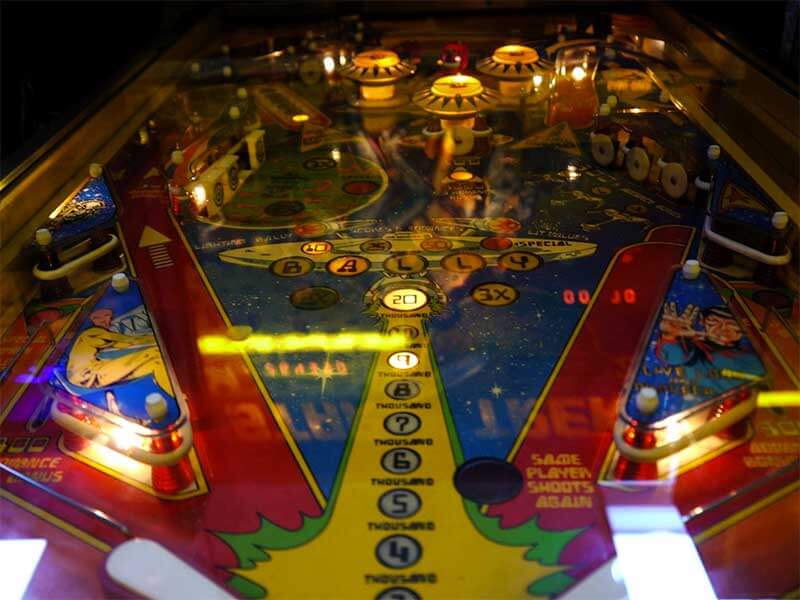
Pinball machines have undergone a genuine cultural revival over the past decade, fueled by bar arcade culture, home game room investment, and a thriving community of restoration specialists. According to Wikipedia's history of pinball, the solid-state electronic era began in the late 1970s, and machines from that period through the 1990s dominate today's used inventory. Knowing which era a machine belongs to directly shapes how much you'll pay, how difficult repairs become, and how easy it is to source replacement parts.
Buying used rather than new is the smart financial move for most buyers. New machines from major manufacturers like Stern or Jersey Jack start at $7,000 and climb quickly with premium editions. A used machine at half that price, properly cleaned and adjusted, delivers an identical play experience and carries years of documented repair history. Before you buy, review our pinball tips guide on how to play like a pro so you understand what a well-maintained, correctly adjusted machine actually feels like under your fingers.
Contents
Should You Buy Used? Knowing When the Market Works in Your Favor
The Financial Case for Going Used
The used pinball market is one of the few places where you consistently get more machine for your money than buying retail. Buying used makes clear sense in these situations:
- You want a classic Williams, Bally, or Data East title from the 1980s or 1990s that's no longer manufactured
- Your budget sits under $4,000 and you want a fully playable, cosmetically acceptable machine
- You're comfortable doing basic maintenance like cleaning the playfield, waxing surfaces, and adjusting flipper strength
- You want a machine whose quirks and repair history are already documented by previous owners
Red Flags That Mean You Should Walk Away
Not every used machine justifies its asking price. Walk away immediately if any of these conditions apply:
- The seller won't power it on and let you play a complete game before the transaction
- The playfield shows heavy wear through the clearcoat — deep wear is permanent, and mylar is only a cosmetic patch
- Major assemblies like flippers, ramps, or pop bumpers feel loose and the seller dismisses it as "just needs adjustment"
- The price is dramatically below market — a $300 machine nearly always has a $300 problem waiting inside the cabinet
Never buy a pinball machine you haven't played in person — at minimum, watch a video of that specific unit running a full game before committing to any remote purchase.
The Best Situations for Owning a Used Pinball Machine
Home Game Rooms and Entertainment Spaces
A used pinball machine transforms a game room into a genuine destination. If you're building out a space alongside classics like skee ball machines or an air hockey table, pinball serves as the anchor piece that commands attention and keeps guests engaged for extended sessions. You don't need a dedicated arcade room — a finished basement, a climate-controlled garage, or a large rec room works perfectly, provided you maintain stable temperature and humidity to protect the playfield.
Commercial and Semi-Commercial Settings
Bars, bowling alleys, and family entertainment venues have long run used machines on coin mechanisms with strong return on investment. A machine earning $50 to $150 per week in quarters pays for itself within a year at typical used prices. Commercial placement demands more from a machine, so factor in the ongoing cost of a reliable technician and budget for parts replacement at a higher frequency than a home unit would require.
Used Pinball Machine Price Ranges by Era and Condition
| Era | Poor Condition | Good Condition | Excellent / Restored |
|---|---|---|---|
| Electromechanical (pre-1978) | $300 – $700 | $1,200 – $2,500 | $3,000 – $8,000+ |
| Early Solid-State (1978–1985) | $200 – $500 | $800 – $1,800 | $2,500 – $5,000 |
| Mid Solid-State (1986–1992) | $300 – $700 | $1,000 – $2,500 | $2,500 – $5,500 |
| Late Williams / Bally (1993–1999) | $500 – $1,200 | $1,500 – $3,500 | $4,000 – $8,000 |
| Modern Used (2000–present) | $1,000 – $2,500 | $2,500 – $5,000 | $5,000 – $10,000+ |
How to Buy a Used Pinball Machine: Step by Step
Research the Title Before You Inspect
- Choose three to five titles that genuinely interest you based on theme, era, and gameplay style
- Read the dedicated game page on the Internet Pinball Database (IPDB) for known mechanical and electronic weaknesses
- Browse the relevant threads on Pinside to understand what repair costs current owners commonly report
- Set a firm price ceiling using recent sold listings on eBay and Facebook Marketplace — not asking prices, actual sold prices
What to Physically Inspect Before Buying
Bring a phone flashlight and work through this checklist systematically before you agree to any price:
- Playfield condition: Check for wear rings around pop bumpers, faded insert lenses, and lifting mylar edges that trap debris
- Flippers: Both flippers should snap back instantly with authority — weak return springs and worn coil sleeves are inexpensive fixes, but they're solid negotiating leverage
- Backglass: Inspect closely for paint flaking or structural cracks; reproduction backglasses are available for most popular titles but add $200 to $600 to your total cost
- Cabinet: Minor woodwork damage is purely cosmetic; confirm the head latches securely and the lockdown bar operates without force
- Electronics: Examine the power supply board for swollen capacitors and verify that all lights, sounds, and displays function correctly during live gameplay
Closing the Deal
- Always negotiate — private sellers expect it, and a 10–20% reduction from asking price is completely standard
- Confirm payment method before you drive to pick up the machine
- Plan transportation carefully: pinball machines weigh 200 to 300 pounds and must travel upright or on their back — never on their side or front panel, which damages the playfield
Insider Tips for Getting the Best Price
Where to Find the Best Inventory
- Pinside Marketplace: The largest dedicated pinball buying and selling community, with detailed listings and seller reputation history
- Facebook Marketplace and Craigslist: Local sellers motivated by speed rather than maximum price — this is where below-market deals consistently appear
- Local arcade route operators: Operators rotate inventory regularly and sell machines that still have years of home use remaining
- Estate sales and auctions: The highest upside potential for below-market pricing, though inspection opportunities are often limited or nonexistent
Negotiation and Timing Tactics
- Post-holiday and end-of-year periods bring motivated sellers who need to clear floor space quickly
- Offer same-day or 48-hour pickup — sellers genuinely value buyers who don't stall or cancel, and it builds goodwill that translates to price flexibility
- When a machine needs visible repairs, document each issue with a specific dollar figure for parts and labor rather than vague language, and subtract that total from your offer
If you enjoy arcade-style machines as part of a broader game room, our guide on how to win at arcade claw machines covers the other side of the coin — understanding how arcade equipment is designed to earn revenue from players.
First-Time Buyer vs. Experienced Collector: How Your Strategy Shifts
What Beginners Should Prioritize
As a first-time buyer, your primary goal is a machine that plays reliably without demanding deep technical knowledge on day one. Focus on these priorities:
- Titles with strong community support and widely available parts — Williams and Bally machines from the early 1990s are the most forgiving entry point
- Machines that have already been recapped, meaning capacitors on the driver and power boards have been replaced — this signals a cared-for unit with reduced electrical risk
- Sellers who can walk you through the machine's repair history in specific detail, not vague reassurances
Just as billiards evolved from a simple lawn game into a sophisticated indoor pursuit with dedicated equipment and deep culture, pinball collecting has its own tradition of accumulated knowledge that beginners build gradually through ownership.
How Experienced Collectors Think Differently
Experienced collectors deliberately target machines that need work, because the asking price reflects the condition and their restoration skills create value from scratch. Their approach looks like this:
- Buying machines specifically for parts cannibalizes, then selling restored examples for profit
- Focusing on rare titles with limited production runs where collector demand consistently outpaces supply
- Tracking market cycles — specific titles spike in value after film, TV, or cultural appearances, and collectors positioned before the spike benefit significantly
Frequently Asked Questions
How much should I pay for a used pinball machine?
A playable used machine in good cosmetic condition typically costs $800 to $3,500 depending on the title and era. Restored collector machines from the 1990s Williams and Bally catalog regularly reach $4,000 to $8,000. Set your ceiling using recent eBay sold listings — not asking prices — for the specific title you want.
What is the best era of pinball machine to buy used?
Williams and Bally machines from 1990 to 1999 represent the best combination of gameplay depth, parts availability, and community support for most buyers. Titles like The Addams Family, Medieval Madness, and Attack from Mars have robust restoration communities and widely documented repair guides.
How do I transport a used pinball machine safely?
Pinball machines must travel upright or flat on their back — never on their side or front. Use moving blankets around the cabinet, secure the head to the body with straps, and transport in a cargo van or enclosed trailer. Two strong people and a furniture dolly handle the loading and unloading.
What are the most common repairs needed on used pinball machines?
The most frequent issues are weak flippers from worn coil sleeves, burned-out insert lenses, dead sound boards from failed capacitors, and playfield wear around high-traffic areas. Most of these repairs cost $20 to $200 in parts and are well-documented by the Pinside community with step-by-step tutorials.
Is it better to buy from a private seller or a pinball dealer?
Private sellers offer lower prices but provide no warranty and limited recourse if problems emerge after purchase. Dealers charge a 20–40% premium but typically deliver cleaned, tested, and guaranteed machines with a short service window. First-time buyers benefit significantly from the protection a reputable dealer provides.
How do I know if a pinball machine has been recapped?
Ask the seller directly and request photos of the driver board and power supply. Recapped boards show new, uniform capacitors with no swelling or leakage on the old components. Many sellers document recapping in the listing because it's a genuine selling point that commands a higher price.
Can I make money owning a used pinball machine?
Yes, through two main routes: coin-operated placement in commercial venues, where a well-located machine earns $50 to $150 per week, and buy-restore-sell flipping, where skilled restorers purchase distressed machines at low prices and sell restored examples at a significant markup. Home machines rarely generate income but hold value well when properly maintained.
The best used pinball machine isn't the cheapest one you can find — it's the one you inspected thoroughly, negotiated confidently, and understood completely before you handed over the cash.


About Mike Jones
Mike Jones grew up in the golden age of arcade and home gaming — a childhood shaped by Atari classics like Pitfall, Frogger, and Kaboom that gave him a lifelong appreciation for games of all kinds. These days he covers the full breadth of tabletop and family gaming: board games, card games, yard games, table games, and game room setup, with a particular focus on finding the games that bring different groups together. At GamingWeekender, he covers game reviews, buying guides, and recommendations for families, friends, and hobbyists who take their leisure seriously.
You can get FREE Gifts. Or latest Free phones here.
Disable Ad block to reveal all the info. Once done, hit a button below