Our top pick for 2026 is the Baden Champions Portable Badminton Set — it ships with a regulation-size net, boundary lines, and four racquets at a price most backyard players will find hard to beat. That said, badminton sets range from bare-bones starter kits to tournament-ready packages, so the right choice really depends on how seriously most buyers plan to play.
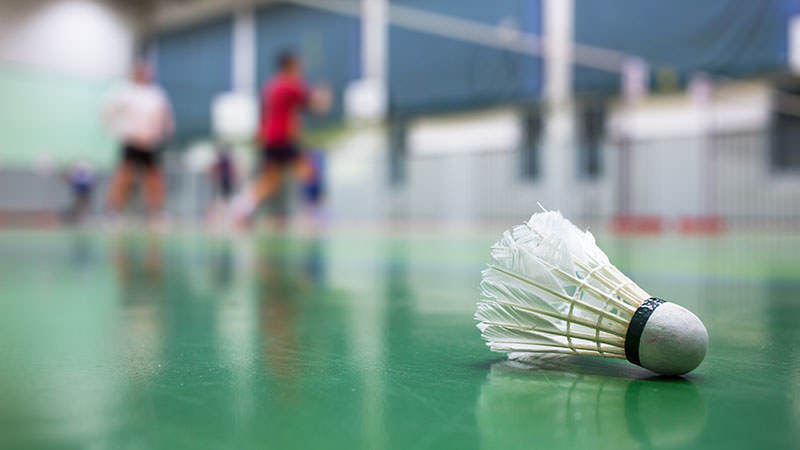
Badminton is one of the easiest yard games to set up and one of the hardest to put down. According to the Badminton Wikipedia entry, the sport is one of the most widely played in the world, and it's easy to see why — all anyone needs is a net, a couple of rackets, and a shuttlecock (also called a birdie, the feathered or plastic projectile players hit back and forth). Whether the goal is a casual doubles match in the backyard or a spirited game at a tailgate, there's a kit on this list that fits.
Our team tested and researched seven of the best-selling badminton sets on Amazon in 2026. We looked at net quality, racket durability, ease of setup, what's included in the box, and overall value for the money. Below we break down each one with pros, cons, and a clear recommendation on who each set suits best. Anyone also comparing outdoor game options might want to check out our roundup of the best cornhole boards or the best bocce ball sets for more backyard inspiration.
Contents
Top Rated Picks of 2026
- #PreviewProductRating
- Bestseller No. 1
 Rating:

- Bestseller No. 2
 Rating:
 - Bestseller No. 3
 Rating:
 - Bestseller No. 4
 Rating:
 - Bestseller No. 5
 Rating:
 - Bestseller No. 6
 Rating:
 - Bestseller No. 7
 Rating:
In-Depth Reviews

1. ENOVI EasyGo Badminton Set — Best All-in-One Portable Kit
The ENOVI EasyGo stands out from the crowd by packing every component — net, poles, four rackets, and four birdies — into a single storage box that doubles as the net base. The total package weighs under five pounds, which means it genuinely travels well. Our team found setup to be among the fastest of any kit we reviewed; the storage box-as-base design eliminates one of the most frustrating parts of most portable sets, which is fussing with ground stakes on hard surfaces.
The rackets are lightweight and sized for recreational doubles play. The four included shuttlecocks (birdies) are plastic, which holds up better outdoors than feathered alternatives. The self-contained storage system is the ENOVI's biggest selling point — everything goes back in the box, nothing gets lost between uses, and the carry handle makes it genuinely grab-and-go. For families heading to a park, campground, or beach, this is one of the tidiest solutions we came across in 2026.
Where it falls short: the net is not regulation size, and competitive players will notice the shorter pole height. The rackets are entry-level — fine for casual fun but not built for hard play over many seasons. Still, for most buyers who want a no-fuss backyard option, the ENOVI delivers strong value.
Pros:
- Storage box doubles as net base — no stakes needed on most surfaces
- Under 5 lbs total — genuinely portable for camping and travel
- Complete set with 4 rackets and 4 shuttlecocks included
- Fast setup with minimal parts
Cons:
- Net is not regulation height or length
- Rackets are entry-level; not suitable for aggressive play
- Birdies can wear quickly on rough outdoor surfaces
2. Baden Champions Portable Badminton Set — Best Overall Value
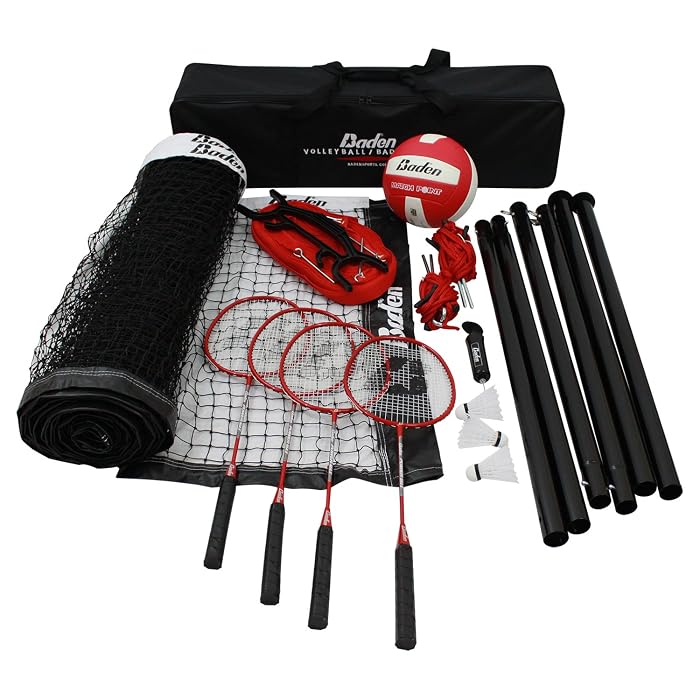
The Baden Champions set is our team's top pick for backyard players who want something close to a real badminton experience without spending tournament-level money. The 2020 update added quick tension pull-down handles and carabiners to the net system, and we found net tension to be noticeably better than older sets at this price point. The aluminum telescoping poles are heavy-duty and powder-coated against rust — a detail that pays off in sets left outside between sessions.
The inclusion of official 20' x 44' webbing boundary lines is what really sets this kit apart. Most entry-level sets skip boundary lines entirely, which forces players to eyeball the court. Baden includes them, along with 10-inch ground stakes and guylines with quick tension handles for a secure setup even in soft ground. The carrying case keeps all components organized between uses.
The four racquets have 20% more string tension than the previous version, which translates to better birdie control for intermediate players. Three shuttlecocks are included — we'd prefer four, but replacements are inexpensive. For anyone who wants a set that plays like the real thing in a backyard setting, the Baden Champions is hard to beat in 2026.
Pros:
- Regulation-size 2.5' x 20' nylon net with improved tension system
- Official 20' x 44' boundary lines included
- Heavy-duty powder-coated aluminum poles resist rust
- Quick-tension carabiner system for fast, firm net setup
- Durable carrying case keeps everything organized
Cons:
- Only 3 shuttlecocks included (most competitors include 4+)
- Slightly more complex setup than stake-free designs like the ENOVI
3. Franklin Sports Badminton Set — Best Budget Pick for Families
Franklin Sports has been making backyard game equipment for decades, and this badminton set reflects their budget-friendly, family-first philosophy. The net measures 20' long and 5' tall — closer to a proper play experience than ultra-compact travel kits. Four steel rackets are included, along with two nylon birdies, six stakes, and guy ropes. Setup is straightforward and most families can have it ready in under ten minutes.
The steel rackets are heavier than aluminum or ferroalloy alternatives, which some younger players notice after extended rallies. That said, steel is durable and holds up to the bumps and drops that come with family use. The Franklin set is a reliable starter option for households that want something serviceable without a big upfront investment. For context, anyone who also plays ping pong will recognize this same "reliable and affordable" positioning — it's not the fanciest gear, but it gets the job done for casual sessions.
The two included birdies is the most notable shortfall here — shuttlecocks get lost and damaged quickly, so most buyers will want to grab a spare pack. The net system uses traditional stakes and guy ropes, which works well in grass but can be frustrating on packed dirt or gravel.
Pros:
- Affordable entry price — great for first-time buyers
- Full-size 20' x 5' net included
- Four steel rackets for four-player doubles games
- Well-known brand with consistent quality control
Cons:
- Only 2 nylon birdies — very limited supply
- Steel rackets are heavier than ferroalloy or aluminum alternatives
- No carrying case
4. HIRALIY Badminton Rackets Set — Best for Shuttlecock Value
The HIRALIY set takes a different approach from the others on this list — it skips the net entirely and focuses on delivering excellent racket and shuttlecock value. The package includes four ferroalloy (a mix of iron and other metals, similar to steel alloy) rackets with a 1-piece frame and integrated T-joint, 12 nylon shuttlecocks, four grip tapes, and a large carrying bag. That shuttlecock count alone is a major differentiator.
Each racket weighs 4.3 ounces, which our team found comfortable for extended play without arm fatigue. The higher string tension on the HIRALIY rackets produces noticeably more pop on contact, making rallies feel snappier than sets with looser strings. The prestrung setup means these are ready to use straight out of the box — no stringing tools required.
The obvious limitation is that no net is included. This set works best for households that already own a net and poles, or for players who want to upgrade their rackets and shuttle supply without paying for net hardware they don't need. It's also a solid pick for players who use a neighbor's net or a permanent court setup at a community center or park. All things considered, the HIRALIY offers outstanding racket quality per dollar.
Pros:
- 12 shuttlecocks included — by far the most of any set reviewed
- Lightweight 4.3 oz ferroalloy rackets reduce arm fatigue
- Higher string tension for better control and power
- Four grip tapes for personalized feel
- Large carrying bag keeps everything organized
Cons:
- No net or poles included — net must be purchased separately
- Not a complete solution for first-time buyers
5. GSE Recreational Badminton Complete Set — Best for Court Completeness
The GSE set covers all the bases: a regulation-size 2' x 20' nylon net, four strung tempered steel rackets in two color pairs (light blue and red), three plastic shuttlecocks, two sets of three-piece steel poles, and a guide rope system with four stakes and a carrying bag. The net itself is well-constructed — 2.6-inch net-sleeved side pockets, reinforced top and bottom tape with braided sides, and powder-coated rust-resistant poles.
The color-coded rackets (two blue, two red) are a small but useful touch for organizing teams during doubles play. Steel frames are heavier than aluminum, but the strung tempered construction delivers respectable durability for a set in this price bracket. The GSE stands out for net quality — the braided edge reinforcement and scoring clamp at the bottom tape are features we don't see on many recreational sets. Assembly and rules instructions are also included, which helps first-time players get started quickly.
Three shuttlecocks is adequate but not generous, and the steel poles add some weight for transport compared to aluminum alternatives. Overall, the GSE is a solid complete package for households that want a full court setup at a mid-range price in 2026.
Pros:
- Regulation-size net with reinforced braided edges for durability
- Color-coded rackets simplify team organization
- Powder-coated rust-resistant steel poles
- Carrying bag and setup instructions included
Cons:
- Steel poles heavier than aluminum — more effort to transport
- Only 3 shuttlecocks included
- Steel rackets heavier than ferroalloy or aluminum options
6. EastPoint Easy Setup Badminton Set — Best for Grab-and-Go Play
EastPoint built this set around a simple promise: get playing faster. The net self-packs for transport, assembly is minimal, and the tempered steel shaft rackets with cushion grips are ready to swing out of the box. Four rackets and two shuttlecocks are included, along with a 5-foot net sized for standard backyard doubles. Our team appreciated the cushion grips — a small upgrade over bare handles that makes a real difference during longer sessions.
The portability angle is genuine. The EastPoint's self-packing net system makes it one of the easiest kits to load in a car for camping or a trip to the park. The steel shafts are sturdy enough for vigorous family play, and the official-size racket heads are appropriate for players who want a feel closer to a real game rather than a toy-grade alternative.
The two-shuttlecock count is limiting, and the net height (5 feet) positions this as a backyard recreation set rather than anything approaching tournament standards. For households that value quick setup and easy transport over technical specifications, the EastPoint is a practical everyday choice.
Pros:
- Self-packing net for fast storage and transport
- Cushion grip handles for comfort during extended play
- Tempered steel shafts — durable for family use
- Official-size racket heads for a more authentic feel
Cons:
- Only 2 shuttlecocks — replacement pack strongly recommended
- Net not regulation height (5' vs standard 5'1" tournament spec)
- No carrying case
7. Carlton Solar 600-2 Player Badminton Set — Best for 1-on-1 Play
Carlton is one of the oldest badminton equipment brands in the world, and the Solar 600 reflects that heritage — even in a casual recreational package. This is a two-player set, which makes it the most focused kit on our list. Two aluminum-steel rackets (95g each), two synthetic shuttlecocks, and a carrying bag are all included. It's compact and purpose-built for singles play.
The aluminum-steel construction with external T-joint gives the Solar 600 rackets a noticeably more polished feel than the all-steel budget options lower on this list. At 95 grams each, they sit in a comfortable weight range — light enough to reduce arm fatigue, substantial enough to feel like real sports equipment rather than a toy. The Carlton brand carries genuine credibility in the badminton world, and that translates to consistent string quality and frame geometry even on entry-level sets.
The limitation is simple: no net. Like the HIRALIY, this is strictly a racket-and-shuttle package. It suits players who already have a net setup or who play regularly at a community court. At two players, it also won't work for families that regularly have four people competing. For a couple or two roommates who want quality rackets without paying for net hardware, the Carlton Solar 600 is a smart buy in 2026.
Pros:
- Reputable Carlton brand with proven badminton expertise
- Aluminum-steel construction for a quality racket feel
- Lightweight 95g rackets reduce fatigue in singles play
- Carrying bag included for clean storage
Cons:
- No net included — singles racket/shuttle kit only
- Two-player only — not suitable for doubles without buying more rackets
- Only 2 shuttlecocks
Choosing the Right Badminton Set: A Buying Guide
Shopping for a badminton set in 2026 involves a few key decisions that have a real impact on how much enjoyment most buyers get out of the purchase. Here's what our team looks at when evaluating any kit.
Number of Players: 2-Player vs. 4-Player Sets
The first fork in the road is whether the set needs to support singles (one-on-one) or doubles (two-on-two) play. Two-player sets like the Carlton Solar 600 are lighter, more compact, and less expensive, but they won't work for a doubles game without buying additional rackets. Four-player sets are the better default for most families — most backyard games involve doubles, and having two extra rackets on hand handles guests without scrambling for substitutes. Anyone who regularly hosts outdoor games alongside their badminton — think cornhole, bocce, or other yard games — will benefit from the flexibility of a four-racket kit.
Net Quality and Setup
Not all nets are equal. Here's what to look for:
- Regulation size is 20 feet wide and roughly 5 feet tall — sets that meet this spec play closer to the real sport
- Reinforced edges (braided sides, polyester tape) prevent tearing at the stress points over time
- Pole material: aluminum poles are lighter and resist rust; steel poles are heavier but sometimes sturdier
- Tension system: quick-tension handles and carabiners (like the Baden set uses) make setup faster and keep the net properly taut during play
- Stake-free designs (like the ENOVI EasyGo's base-box system) work better on patios, driveways, or other hard surfaces where stakes can't be driven in
Anyone who plays in soft grass will do fine with a stake-based system. Patios and decks are where stake-free or weighted-base designs earn their keep.
Racket Material and Weight
Racket material affects swing weight, durability, and long-term arm comfort:
- Steel: heaviest, most common in budget sets; durable for casual play
- Aluminum-steel hybrid (like Carlton): lighter than pure steel, better balance, slight step up in feel
- Ferroalloy (like HIRALIY): iron-alloy blend, lighter than standard steel with a good strength-to-weight ratio
- String tension: higher tension gives more power and control; lower tension is more forgiving for beginners
Beginners and casual players won't notice huge differences between materials. Regular players or anyone with a history of arm fatigue should prioritize lighter aluminum or ferroalloy rackets. Just as picking the right paddle matters in ping pong, the right racket weight can make or break the experience in badminton.
Shuttlecock Count and Type
Shuttlecocks get lost, break, and wear out faster than any other component in a badminton set. The count included in the box matters. Our quick-reference breakdown:
- 2 shuttlecocks: bare minimum — plan to buy extras immediately
- 3–4 shuttlecocks: adequate for a few sessions before restocking
- 12 shuttlecocks (HIRALIY): best value for extended use
- Plastic/nylon shuttles: more durable outdoors, less affected by wind and humidity than feathered options
- Feathered shuttles: better flight characteristics, but fragile and not practical for outdoor backyard play
For backyard use, plastic/nylon shuttlecocks are the practical choice. Most buyers should budget for at least one extra pack of shuttlecocks regardless of what comes in the box.
What People Ask
What is the difference between a shuttlecock and a birdie?
They're the same thing — two names for the projectile used in badminton. "Shuttlecock" is the formal term used in competitive play, while "birdie" is the informal name most casual backyard players use. Both refer to the cone-shaped object (typically plastic or feathered) that players hit back and forth over the net.
Can a badminton set be used on a driveway or patio?
Yes, but the net system matters. Stake-based setups (most common) require the stakes to be driven into soft ground, making them impractical on concrete or asphalt. Sets with weighted base systems — like the ENOVI EasyGo's storage box base — are specifically designed for hard surfaces and work well on driveways and patios without any ground penetration.
How many people can play with a standard badminton set?
Most sets include four rackets, which covers a full doubles game (two players per side). Two-player sets like the Carlton Solar 600 only include two rackets. Singles play (one-on-one) requires only two rackets, while doubles (two-on-two) requires four. For the most flexibility, most buyers are better served by a four-racket set.
What net height is considered regulation for badminton?
Official badminton regulations set the net at 5 feet 1 inch (1.55 meters) at the center and 5 feet (1.524 meters) at the posts. Most recreational backyard sets approximate this height, though some budget sets run slightly shorter. The Baden Champions set comes closest to regulation spec among the sets reviewed here.
Are plastic or feathered shuttlecocks better for outdoor play?
Plastic (nylon) shuttlecocks are the clear choice for outdoor backyard play. They're more durable, less sensitive to wind and humidity, and hold up much better on grass and uneven surfaces. Feathered shuttlecocks offer superior flight characteristics for indoor competitive play but break easily and perform poorly in windy conditions. For recreational outdoor games, plastic is the practical and cost-effective option.
How long does a badminton set last with regular backyard use?
With casual weekend use, a decent quality set should last two to four seasons. Net lifespan depends heavily on whether it's left outside or stored properly after play — UV exposure and moisture degrade nylon nets significantly. Rackets in mid-range sets typically outlast the shuttlecocks by a wide margin; most buyers end up restocking shuttlecocks long before the rackets wear out. Storing everything in a carrying bag between uses extends the life of all components considerably.
Buy on Walmart
- ENOVI EasyGo Badminton Set, with Net, 4 Racket, 4 Birdies, P — Walmart Link
- Baden Champions Portable Badminton Set | Regulation Net, 4 R — Walmart Link
- Franklin Sports Badminton Set — Walmart Link
- HIRALIY Badminton Rackets Set for Backyards, Badminton Set, — Walmart Link
- GSE Recreational Badminton Complete Set, Sports Outdoor Net — Walmart Link
- EastPoint Easy Setup Badminton Set - 5 ft Net, 4 Rackets, 2 — Walmart Link
- Carlton Solar 600-2 Player Badminton Set, Multi — Walmart Link
Buy on eBay
- ENOVI EasyGo Badminton Set, with Net, 4 Racket, 4 Birdies, P — eBay Link
- Baden Champions Portable Badminton Set | Regulation Net, 4 R — eBay Link
- Franklin Sports Badminton Set — eBay Link
- HIRALIY Badminton Rackets Set for Backyards, Badminton Set, — eBay Link
- GSE Recreational Badminton Complete Set, Sports Outdoor Net — eBay Link
- EastPoint Easy Setup Badminton Set - 5 ft Net, 4 Rackets, 2 — eBay Link
- Carlton Solar 600-2 Player Badminton Set, Multi — eBay Link
Final Thoughts
Our team found strong options across every budget and use case in this 2026 roundup — the Baden Champions remains our top overall pick for backyard play, but the right set ultimately depends on how many players need rackets, whether a net is already on hand, and how much portability matters. Browse the full lineup above, weigh the trade-offs, and grab the set that fits the situation best.


About Mike Jones
Mike Jones grew up in the golden age of arcade and home gaming — a childhood shaped by Atari classics like Pitfall, Frogger, and Kaboom that gave him a lifelong appreciation for games of all kinds. These days he covers the full breadth of tabletop and family gaming: board games, card games, yard games, table games, and game room setup, with a particular focus on finding the games that bring different groups together. At GamingWeekender, he covers game reviews, buying guides, and recommendations for families, friends, and hobbyists who take their leisure seriously.
You can get FREE Gifts. Or latest Free phones here.
Disable Ad block to reveal all the info. Once done, hit a button below