If you're hunting for the best credit cards for gamers, the GameStop PowerUp Rewards Credit Card and the PlayStation Card by Comenity are worth a serious look — but here's the blunt truth: both are ecosystem-specific tools, not versatile everyday cards. They reward loyalty to a single brand, and the moment you spend outside that brand, the value drops fast.
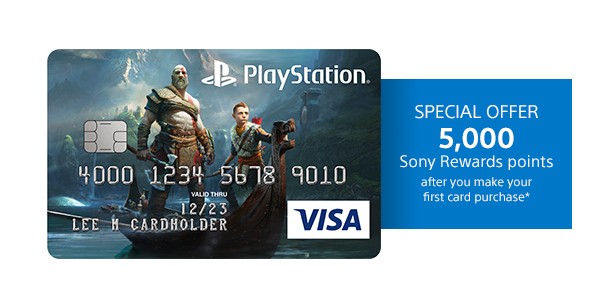
GameStop's card plugs directly into the PowerUp Rewards program, piling up points on in-store and online GameStop purchases. The PlayStation Card converts your spending into PlayStation Points redeemable for PSN credit, game downloads, and PlayStation Plus time. Both cards are built for committed platform loyalists — if you're a casual gamer who spreads spending across multiple storefronts, neither one is going to move the needle for you.
The video games hobby pulls money in a dozen directions at once: hardware, accessories, subscriptions, digital storefronts, physical retailers. Before you apply for either card, you need to understand where your gaming dollars actually go — and whether these cards reward those specific habits. This guide breaks down the numbers, the trade-offs, and the situations where each card makes sense.
Contents
How the Two Cards Compare at a Glance
Before diving into strategy and nuance, you need to see both cards side by side. The differences in reward structure, redemption mechanics, and APR will determine which card — if either — belongs in your wallet.
| Feature | GameStop PowerUp Rewards Credit Card | PlayStation Card by Comenity |
|---|---|---|
| Annual Fee | $0 | $0 |
| Top Reward Rate | 5 points per $1 at GameStop | 2 points per $1 on PSN purchases |
| General Spend Rate | 1 point per $1 everywhere else | 1 point per $1 everywhere else |
| Redemption | PowerUp Rewards store credit | PlayStation Store credit |
| Typical APR | 26.99%–29.99% variable | 25.99%–29.99% variable |
| Card Issuer | Synchrony Bank | Comenity Bank |
| Sign-Up Bonus | Promotional, varies | Promotional, varies |
| Best For | Physical game buyers, trade-in users | Digital-first PlayStation gamers |
GameStop PowerUp Rewards Credit Card
The GameStop card earns its keep through volume. If you're buying physical games, trading in old titles, and pre-ordering regularly at GameStop, the accelerated earn rate at 5x points per dollar is genuinely competitive. The card also layers on top of the PowerUp Rewards tiers — Elite and Elite Pro members get bonus trade-in credits and early access deals, which stack with your card points. That combination creates a compounding reward loop that actually works if GameStop is your primary gaming retailer.
PlayStation Card by Comenity
The PlayStation Card is a digital spender's card. You earn double points on PSN purchases — downloads, subscriptions, add-ons — and a flat single point on everything else. Comenity periodically runs bonus point events tied to major PlayStation releases, which can spike your earnings if you time big purchases right. The card makes the most sense if you're a PlayStation ecosystem loyalist who buys digitally rather than at retail. Physical game buyers see less benefit here than they would with the GameStop card.
Breaking Down the Real Costs and Rewards
Both cards come with no annual fee, and that's genuinely good. But the fee structure is only one part of the cost picture. The APR on both cards sits in the 27%–30% variable range, which is high even by retail card standards. If you carry a balance — even once — the interest you pay will almost certainly exceed the rewards you've earned. These cards only make financial sense if you treat them as a payment vehicle, not a credit line.
Annual Fees and Interest Rates
No annual fee is a low bar, and both cards clear it. But zero annual fee paired with a 29% APR is a trap if you're not careful. The Consumer Financial Protection Bureau points out that high-APR cards can accumulate interest faster than most people realize — a $400 gaming purchase carried for two months at 29% APR costs you around $19 in interest alone, easily erasing the reward value of that purchase. Pay in full, every month, or these cards work against you.
How Much Are the Points Actually Worth?
With the GameStop card, roughly 5,000 PowerUp points converts to about $5 in store credit — that's 1 cent per point. The 5x earn rate at GameStop therefore translates to an effective 5% return on in-store spending, which is solid for a no-fee card. PlayStation Points convert at approximately 100 points to $1, making the math cleaner. The PlayStation Card's 2x earn rate on PSN purchases delivers about a 2% return on digital spending — competitive with most general flat-rate cash-back cards on that specific category.
Pro tip: If you're not spending on PSN at least a couple of times per month, the PlayStation Card's rewards won't add up fast enough to justify carrying it — a flat 2% cash-back card beats it on anything outside the PlayStation Store.
Smart Habits for Getting the Most Out of These Cards
Owning a niche rewards card and actually benefiting from it are two different things. The best credit cards for gamers work only when they're matched to your actual spending patterns — not the way you hope you'll shop. Be honest with yourself before you apply.
Maximizing GameStop Rewards
To extract real value from the GameStop card, you need consistent, recurring in-store spending. Trade-ins are the multiplier here. PowerUp Elite Plus members get a 10% trade-in bonus on top of whatever you earn in card points, and stacking those two together on a busy trade-in month produces meaningful savings. Route all your physical game purchases and accessories through GameStop, keep your digital spending on a different card, and stay on top of your points balance so nothing expires unused. The card rewards discipline — scattered, sporadic purchases at GameStop won't add up to much.
Getting the Most from the PlayStation Card
Consistency is the engine of this card. If you maintain a PlayStation Plus subscription, buy a few digital titles each year, and occasionally grab DLC for ongoing games, the points accumulate steadily without you doing anything special. The real acceleration comes from bonus point promotions tied to PlayStation Store sales events — buying during a major sale with an active double-point offer can double your reward rate to an effective 4% on those purchases. Gamers who jump between platforms frequently, like those navigating the multi-system setups described in our Fortnite cross-platform play guide, will likely get less mileage from this card since so much of their spending happens outside the PlayStation ecosystem.
Keeping Your Credit Healthy While You Game
Gaming rewards cards have a quiet risk that's easy to overlook: low credit limits. Store-affiliated cards frequently start with limits in the $300–$600 range, which makes it surprisingly easy to push your credit utilization ratio above the 30% threshold where your score starts taking damage. Managing that carefully matters more than most people realize when they first open one of these cards.
Credit Utilization Matters More Than You Think
If your PlayStation Card has a $500 limit and you drop $200 on a game and a month of PS Plus, you're already sitting at 40% utilization on that card. Even if your overall credit profile is healthy, per-card utilization still factors into your score. The fix is straightforward: pay down the balance before the statement closes rather than waiting for the due date, and after six to twelve months of clean payment history, request a credit limit increase. More headroom means utilization stays low even during heavier spending months.
Avoiding the Interest Trap
The minimum payment is a trap. On a $700 balance at 29% APR, paying only the minimum each month means you're effectively renting that money at an expensive rate — and the rewards you earned on those purchases become irrelevant. Set your card to autopay the full statement balance on its due date. If cash flow is tight one month and you can't pay in full, pay as much as possible and avoid new charges until the balance is cleared. Never let interest charges become a recurring feature of your credit card relationship.
Warning: Three months of carrying a balance at 29% APR will cost you more in interest than a full year's worth of rewards points — these cards only work if you never pay a cent of interest.
The Honest Verdict — Where These Cards Win and Lose
Both cards are honest about what they are. They don't pretend to be premium travel cards or broad cash-back powerhouses. The question is whether their specific strengths overlap with your actual gaming life in a meaningful way.
Where These Cards Win
The GameStop card delivers real value for the type of gamer who treats GameStop as a hub — trading games in, pre-ordering, buying used titles, and returning often. The stacked rewards with the PowerUp program create a compounding benefit that makes a genuine dent in your gaming budget over time. The PlayStation Card earns its keep for digital-first PlayStation loyalists who pay for PS Plus annually and download most of their games. Two percent back on consistent PSN spending is a solid, predictable return that doesn't require any extra effort. For gamers building out their setup — the same kind of research-driven approach you'd apply when comparing an Intel Core i5 vs i7 for gaming — putting rewards toward your next purchase rather than leaving money on the table is always the smarter move.
Where They Fall Short
Outside their home ecosystems, both cards are weak performers. Steam purchases, Xbox Game Pass, Nintendo eShop, general retail — you're earning 1 point per dollar on all of it, which is no better than a card with no rewards program at all. The APRs are punishing, credit limits tend to start low, and neither card offers meaningful consumer protections like extended warranty coverage or purchase protection. If gaming is just one part of your broader spending picture, a flat 2% cash-back card on all purchases will outperform either of these over the course of a year.
- Choose the GameStop card if physical games, trade-ins, and in-store shopping define your gaming habit.
- Choose the PlayStation Card if you're a digital-first PS gamer with consistent monthly PSN spending.
Frequently Asked Questions
Is the GameStop PowerUp Rewards Credit Card worth it in the current market?
It's worth it if GameStop is genuinely your primary place to buy and trade games. The 5x points rate at GameStop combined with PowerUp Rewards trade-in bonuses creates real savings for frequent shoppers. If you mostly buy digitally or through other retailers, the card loses most of its value and isn't worth carrying.
Can I use the PlayStation Card for non-PlayStation purchases?
Yes, the PlayStation Card works anywhere Visa is accepted. But outside PSN, you earn just 1 point per dollar, which is an uncompetitive rate. Use it exclusively for PlayStation Store spending and keep a better general card for everything else.
Do these gaming credit cards help build credit?
Yes, both cards report to the major credit bureaus, so responsible use — on-time payments and low balances — will help build your credit profile over time. The main risk is the low initial credit limit, which makes it easy to accidentally push your utilization ratio too high. Keep balances well below 30% of your limit.
What are the best credit cards for gamers who play across multiple platforms?
If you split time between PlayStation, Xbox, PC, and Nintendo, a platform-specific card like the GameStop or PlayStation card is a poor fit. You're better served by a flat-rate 2% cash-back card or a card with strong bonus categories like online shopping or streaming services that covers your entire gaming spend rather than a narrow slice of it.
The best credit card for gamers isn't the one with the coolest logo — it's the one that matches where you actually spend your money.


About Mike Jones
Mike Jones grew up in the golden age of arcade and home gaming — a childhood shaped by Atari classics like Pitfall, Frogger, and Kaboom that gave him a lifelong appreciation for games of all kinds. These days he covers the full breadth of tabletop and family gaming: board games, card games, yard games, table games, and game room setup, with a particular focus on finding the games that bring different groups together. At GamingWeekender, he covers game reviews, buying guides, and recommendations for families, friends, and hobbyists who take their leisure seriously.
You can get FREE Gifts. Or latest Free phones here.
Disable Ad block to reveal all the info. Once done, hit a button below