Research shows that people playing fitness video games PS4 VR titles burn an average of 400 calories per hour — on par with a steady cycling session. That's not a marketing claim; that's a measurable physiological result confirmed in multiple exercise science studies. If you've been looking for a way to stay active without dragging yourself to a gym, the video games section of your entertainment setup might already hold the answer. PlayStation VR turns your living room into a full-body training environment, and it does it without making the experience feel like work.
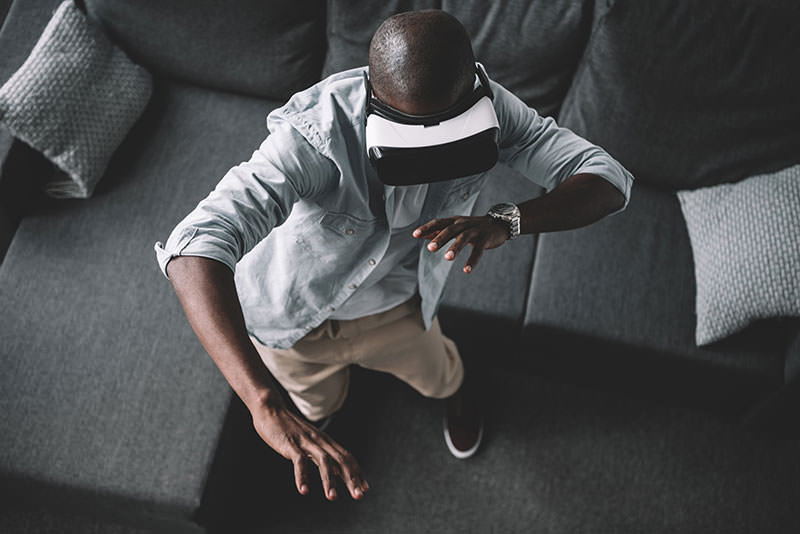
What sets PS4 VR apart from every other attempt to merge gaming with fitness is immersion. You're not watching a character on screen do the physical work — you are inside the environment. Your brain responds to virtual obstacles, rhythmic targets, and incoming threats as if they're real, which means your body reacts accordingly. You punch harder, dodge faster, and stay engaged longer than you ever would on a stationary machine staring at a wall. The psychological trick is the whole point.
This guide covers everything: how VR fitness gaming got here, which games actually deliver results, how to set up safely, and how to build a routine that sticks whether you're stepping into VR for the first time or looking to take your sessions to the next level.
Contents
- The Rise of VR Fitness Gaming
- Benefits and Drawbacks of Fitness Video Games PS4 VR
- Your First Steps to Breaking a Sweat
- Who Gets the Most From PS4 VR Fitness Games
- Top Fitness Video Games PS4 VR Compared
- Keeping Your Gear and Body in Shape
- From First-Timer to VR Fitness Regular
- Mistakes That Kill Your VR Fitness Progress
- Frequently Asked Questions
- Final Thoughts
The Rise of VR Fitness Gaming
Why Traditional Exercise Fails Gamers
Conventional fitness advice rarely speaks to the gamer mindset. Running on a treadmill gives you nothing to focus on. Gym machines are isolating and repetitive. The feedback loop that makes gaming addictive — challenge, reward, progression, mastery — is completely absent from most exercise programs. That disconnect has produced a huge population of people who genuinely want to be healthier but find traditional workouts intellectually and emotionally hollow. You're not lazy. The activity itself just isn't designed for how your brain is wired.
Early attempts to bridge gaming and fitness — think Wii Fit — pointed toward something real but couldn't follow through. The motion controls were imprecise, the feedback was shallow, and the novelty wore off fast. What was missing was genuine immersion: the feeling that your movements actually mattered inside the game world.
How VR Changed Everything
The PlayStation VR headset delivered immersion that earlier platforms couldn't touch. When you put on the headset, you're no longer controlling a character — you are the character. Your spatial awareness, reaction speed, and physical instincts all activate in ways that screen-based gaming simply cannot trigger. Exergaming research consistently shows that full-body immersive VR produces significantly higher heart rate elevations than traditional active video games. Your brain processes the virtual environment as physically real, and your cardiovascular system responds accordingly. That's not a side effect — it's the mechanism that makes VR fitness work.
Benefits and Drawbacks of Fitness Video Games PS4 VR
The Upsides Worth Knowing
The biggest advantage of fitness video games PS4 VR isn't the calorie burn — it's consistency. People quit exercise routines because they're boring. They don't quit games. When your workout is disguised as an intense boxing match or a rhythm-based slicing challenge, you show up day after day without needing to force yourself. That consistency compounds into real fitness gains over time.
Beyond motivation, VR fitness engages multiple muscle groups simultaneously. Beat Saber targets your core, shoulders, and arms through continuous rotational movements. Pistol Whip forces lateral movement that works your legs and glutes. BoxVR structures sessions like an actual boxing class with timed intervals and progressive calorie tracking. You're building cardiovascular endurance, coordination, and muscular strength in a single 45-minute session — something a stationary bike genuinely cannot replicate.
Pro insight: Heart rate monitors worn during Beat Saber on Expert difficulty consistently register in the aerobic training zone — the same zone targeted by jogging at a moderate pace. Don't underestimate what's happening to your body.
The Honest Limitations
The headset adds meaningful weight to your head and neck. Extended sessions — anything beyond 60 minutes — can cause fatigue in the neck and upper traps, especially for new players. Motion sickness is a real factor for a portion of players, particularly during their first two to three weeks. The play space requirement (Sony recommends at least six feet by six feet of clear area) isn't feasible in every home. And the combined cost of a PS4, PSVR headset, PlayStation Camera, and Move controllers represents a genuine financial commitment. These aren't reasons to avoid VR fitness, but they're real factors to plan around before you invest.
Your First Steps to Breaking a Sweat
The Gear You Actually Need
The core setup is straightforward: a PS4 or PS4 Pro, the PSVR headset, the PlayStation Camera, and — for most fitness titles — a pair of PlayStation Move controllers. If you already own a PS4, your additional hardware cost drops significantly. A non-slip mat under your feet gives you tactile grounding while immersed, which reduces disorientation. A small USB or standalone fan pointed at your play space makes longer sessions far more comfortable. That's your entire functional setup.
Move controllers unlock upper-body engagement in most fitness titles. Some games work with the standard DualShock 4, but the arm and shoulder workout you get from Move-based titles is the real differentiator. Skipping them limits the fitness value considerably.
Your First Session
Keep your first session to 20 or 30 minutes. Your brain and body need time to sync with the VR environment, and pushing too hard before that calibration happens almost always produces nausea and excessive soreness. Pick a beginner-friendly title, set the difficulty low, and prioritize learning the movement patterns over chasing scores. Drink water before you start. You will sweat — often more than you anticipate, because the immersion masks how hard you're working until the session ends.
Tip: Build up gradually — add 10 minutes of session length each week rather than jumping straight to an hour. Your "VR legs" develop faster than you expect, and your joints need time to adapt to the new movement patterns.
Who Gets the Most From PS4 VR Fitness Games
For the Exercise-Avoider
If the gym feels like a punishment, VR fitness games were built for you. The immersive feedback loop keeps you engaged in a way that a treadmill never will. You're not watching the clock — you're focused on survival, rhythm, or competition. This is particularly powerful for people who've tried and failed at conventional fitness programs multiple times. The engagement factor isn't a gimmick; it's the entire design philosophy. Your motivation problem dissolves when the activity is genuinely enjoyable. Even titles designed for beginners — like the games covered in our guide to the best video games for absolute beginners — carry enough depth to keep you returning regularly.
For the Serious Gamer
Competitive gaming demands more physical stamina than most players acknowledge. Hand-eye coordination, reaction time, and mental focus degrade when your body is unfit. VR fitness games train exactly those attributes while also improving cardiovascular health. Players who incorporate regular VR workouts consistently report sharper focus during long gaming sessions and less physical tension from extended controller use. Whether you're deep into FPS titles covered in our FPS gaming mice guide, or analyzing head-to-head competition the way we break it down in our Fortnite vs PUBG comparison, your physical conditioning has a measurable effect on your performance.
Your gaming chair matters too — improving your posture through better ergonomics, like the options compared in our DXRacer vs Maxnomic gaming chair review, complements the core and back strength you develop through VR fitness sessions.
Top Fitness Video Games PS4 VR Compared
The Games That Deliver Results
The PS4 VR fitness library is deeper than most people realize. Beat Saber remains the gold standard — it's accessible, endlessly replayable, and delivers a real upper-body and core workout through continuous slicing and dodging. Pistol Whip layers rhythm shooting onto constant lateral movement. BoxVR structures your session like a formal boxing class with intervals, combinations, and calorie tracking. Creed: Rise to the Glory is the most physically demanding option on the platform, simulating full boxing rounds with footwork, head movement, and punch output that will exhaust you in the best way. For lower-intensity days, Everybody's Golf VR and Astro Bot Rescue Mission keep your body moving without the full exertion. The variety of options means you can treat your VR fitness library the way seasoned players approach games like those featured in our top video game sequels list — always finding something worth returning to.
| Game | Intensity Level | Est. Calories/Hour | Best For | Move Controllers |
|---|---|---|---|---|
| Beat Saber | Medium–High | 200–400 | All levels | Yes |
| Pistol Whip | High | 350–500 | Intermediate+ | No |
| BoxVR | Medium–High | 300–450 | Structured routines | Yes |
| Creed: Rise to the Glory | Very High | 400–600 | Advanced players | Yes |
| Everybody's Golf VR | Low | 100–200 | Active rest days | No |
| Superhot VR | Low–Medium | 150–300 | Beginners | Yes |
These calorie estimates reflect active, engaged play at moderate to high difficulty. Casual or low-difficulty play produces output at the lower end of each range. Tracking your actual heart rate during sessions gives you the most accurate picture of your personal output.
Warning: Don't use indie VR titles you find in our 4 indie games worth playing roundup as a gauge for fitness intensity — many are immersive but not physically demanding. Choose titles specifically designed with movement in mind.
Keeping Your Gear and Body in Shape
PSVR Headset Care
Sweat and electronics don't mix. After every session, wipe down the headset's foam padding and lens surfaces with a microfiber cloth. Most PSVR headsets have removable foam inserts — these are washable, and you should take full advantage of that. Store the headset somewhere dry and away from direct sunlight, which degrades lens coatings over time. Clean the PlayStation Camera lens periodically with a lens-safe cloth to maintain tracking accuracy. A moisture-wicking aftermarket headset cover costs very little and extends the life of the internal padding considerably.
Cable management matters more than you think. The PSVR cable connecting to your processor unit is a tripping and tangling hazard during active movement. Use a cable management clip or hook mounted above your play area to keep the cable routed safely overhead and out of your feet's path.
Body Recovery Between Sessions
Treat your VR workouts like athletic training, not casual gaming sessions. Rest days are not optional — they're where your body adapts and gets stronger. Stretch your shoulders, neck, and wrists before and after each session. These are the joints most stressed by VR movement patterns. If you experience persistent neck fatigue from headset weight, basic upper trap and neck flexor strengthening exercises on off days address the root cause. Prioritize hydration and sleep. These two factors affect your recovery from VR fitness as much as they affect recovery from any other physical sport.
From First-Timer to VR Fitness Regular
The Beginner Approach
If you're new to both VR and regular exercise, start with titles built for easy onboarding. Beat Saber on Normal difficulty, BoxVR's beginner class sequences, and Superhot VR — which moves in slow motion until you do — are ideal entry points. Your first goal isn't calorie burn; it's building comfort inside the VR environment. Motion sickness diminishes with consistent exposure for most players. Expect to feel fully acclimated within one to two weeks of regular short sessions. Keep difficulty settings where success feels achievable — early wins build the habit loop that sustains long-term engagement.
Advanced Progression
Once you're comfortable in the environment, extend your sessions toward 45 to 60 minutes and push difficulty settings progressively. Add light wrist weights — 0.5 to 1 pound — to increase resistance during Beat Saber and BoxVR sessions. This is a well-documented technique among serious VR fitness players that meaningfully increases the muscular load without changing the game's mechanics. Rotate between high-intensity titles like Creed or Pistol Whip and lower-intensity active experiences to build endurance without overtraining. Track your heart rate data with a smartwatch worn during sessions to confirm you're hitting your aerobic target zones. You're no longer just gaming — you're running a structured fitness program.
Mistakes That Kill Your VR Fitness Progress
Overexertion Early On
The most common mistake new VR fitness players make is going too hard too fast. Inside the headset, the immersion masks fatigue signals your body sends. You feel invincible — and then you can't lift your arms the next morning. That kind of early overexertion doesn't just cause soreness; it creates a negative association with VR fitness that makes you significantly less likely to return. Consistency beats intensity at every stage of training, but especially at the start. Build the habit first. Increase the intensity second.
Poor Space Setup
A cluttered or undersized play space is a genuine safety hazard. A misplaced coffee table, a ceiling fan at arm height, or a pet underfoot — these are real dangers, not hypothetical ones. Before every session, clear your space, confirm your cable routing is safe, and verify that your camera's tracking boundary is correctly calibrated. Approach your VR play area with the same care you'd give to proper setup of physical equipment — the attention to detail that goes into selecting and placing a quality pool table or properly installing a shuffleboard table applies here too. Two minutes of preparation prevents accidents that end sessions permanently.
Neglecting Recovery and Variety
VR fitness engagement fades when you don't introduce variety. Rotating your game library, setting new challenges, competing on leaderboards, and tracking progression data all sustain motivation over the long term. Pair VR sessions with complementary activities — stretching, walking, or low-impact physical activities like those you'd find in a game of bowling — to build a balanced fitness life that doesn't depend entirely on your headset. Recovery and variety aren't nice-to-haves. They're the reason your routine lasts longer than three weeks.
Frequently Asked Questions
What PS4 VR games burn the most calories?
Creed: Rise to the Glory consistently tops the list, with players burning between 400 and 600 calories per hour during active boxing rounds. Pistol Whip and BoxVR at high difficulty settings fall close behind, typically in the 350–500 range. Your actual burn depends on your body weight, session intensity, and difficulty settings — tracking your heart rate during play gives you the most accurate personal data.
Do you need Move controllers to get a good workout with PS4 VR fitness games?
For most fitness titles, yes. Move controllers enable the arm and upper-body engagement that produces the highest calorie burns. Beat Saber, BoxVR, and Creed all require Move controllers to play. Pistol Whip and a handful of other titles work with a DualShock 4, but the range of motion is limited and the workout value drops significantly. If fitness is your primary goal, Move controllers are a necessary part of your setup.
Is VR fitness as effective as going to a real gym?
For cardiovascular conditioning and coordination, high-intensity VR fitness games are genuinely competitive with gym-based cardio. Where they fall short is in progressive resistance training — you can't load a barbell in VR. The most effective approach treats VR fitness as a primary cardio and conditioning tool paired with occasional resistance work. For people who struggle with gym consistency, VR fitness produces better real-world results simply because they actually do it.
How long should a VR fitness session be?
Start with 20 to 30 minutes for your first two weeks. Once you're fully comfortable in the VR environment and motion sickness is no longer a factor, extend sessions to 45 minutes. Experienced players commonly train for 60 minutes at a time. Anything beyond 90 minutes risks neck fatigue from headset weight and overall overexertion. Quality and consistency matter more than session length — five 45-minute sessions per week outperforms two 90-minute sessions every time.
Final Thoughts
Fitness video games PS4 VR represent one of the most practical and sustainable ways to build physical activity into a gaming lifestyle — and the barrier to entry has never been lower. Put on the headset, clear six feet of space, and start with a beginner title tonight. Your first real workout might not feel like a workout at all, and that's exactly the point.


About Mike Jones
Mike Jones grew up in the golden age of arcade and home gaming — a childhood shaped by Atari classics like Pitfall, Frogger, and Kaboom that gave him a lifelong appreciation for games of all kinds. These days he covers the full breadth of tabletop and family gaming: board games, card games, yard games, table games, and game room setup, with a particular focus on finding the games that bring different groups together. At GamingWeekender, he covers game reviews, buying guides, and recommendations for families, friends, and hobbyists who take their leisure seriously.
You can get FREE Gifts. Or latest Free phones here.
Disable Ad block to reveal all the info. Once done, hit a button below