The first time I noticed my foosball table rods grinding during a game, I brushed it off. A few weeks later, one of the handles cracked right in the middle of a heated match. That moment taught me something I now tell every game room owner: foosball table maintenance tips aren't optional — they're what keep your table playing like new for years. If you're serious about your table games setup, a little regular care goes a long way.
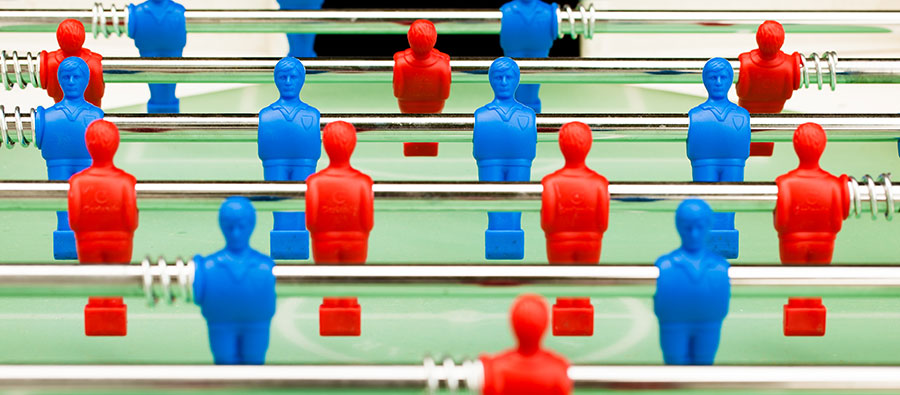
Foosball is one of the most satisfying games you can own. It's fast, competitive, and requires almost no setup once it's in place. But like any mechanical game, it has moving parts that wear down without attention. Rods, bearings, player figures, bumpers, and the playing surface each need occasional care to perform at their best.
The good news? Maintaining a foosball table is genuinely straightforward. You don't need special skills or expensive tools. A consistent routine — even just 15 minutes a month — keeps the game smooth, the parts intact, and the table looking sharp for years.
Contents
- What Foosball Table Maintenance Actually Involves
- Maintenance at a Glance: Frequency and Tools
- Step-by-Step Foosball Table Maintenance Tips
- Regular Maintenance vs. Neglect: What's at Stake
- Building a Long-Term Care Routine
- Mistakes That Shorten Your Table's Life
- Frequently Asked Questions
- Next Steps
What Foosball Table Maintenance Actually Involves
A foosball table looks deceptively simple from the outside. Under the surface, it's a system of mechanical parts that interact thousands of times during every game session. Understanding what you're actually maintaining helps you focus your effort where it counts.
Here are the main components you'll be caring for:
- Rods: Steel or carbon fiber shafts that spin and slide through the cabinet walls on every single play
- Bushings/bearings: The sleeves that guide rod movement — they absorb friction constantly and are the first thing to fail without lubrication
- Player figures: Attached to rods, they absorb repeated ball impact and loosen over time
- Bumpers and handles: Rubber end caps and grips that compress and crack with regular use
- Playing surface: The flat field where the ball rolls — needs to stay clean and level for consistent play
- Cabinet: The outer shell, legs, and structural frame holding everything together
Just like you'd inspect a used pinball machine before putting it into regular rotation, foosball deserves the same respect. These are precision mechanical devices, not toys.
Why It Matters More Than You Think
Every time you push a rod, the bushings compress slightly. Every spin scrapes the rod surface. Over thousands of plays, those micro-interactions add up fast. Without regular cleaning and lubrication:
- Rods become stiff and slow to respond mid-game
- Bushings crack or split, causing wobbly, unreliable rods
- Player figures loosen and affect shooting accuracy
- The ball picks up dirt and rolls unpredictably
- Cabinet joints loosen from the constant vibration of play
Neglect is the single biggest cause of foosball table failure — not normal wear from heavy use. A well-maintained table played daily will outlast a neglected table used just occasionally.
Maintenance at a Glance: Frequency and Tools
Before jumping into the step-by-step, here's a quick reference for how often each task needs to happen — and what you need on hand to do it right.
Maintenance Schedule
| Task | Frequency | Time Required | Difficulty |
|---|---|---|---|
| Wipe down rods after play | Every session | 2–3 minutes | Easy |
| Clean playing surface | Weekly | 5 minutes | Easy |
| Lubricate all rods | Monthly | 10–15 minutes | Easy |
| Inspect and tighten player figures | Monthly | 10 minutes | Easy |
| Check bumpers and handles | Every 3 months | 5 minutes | Easy |
| Full cabinet inspection and wipe-down | Every 6 months | 30 minutes | Moderate |
| Replace worn parts (bumpers, handles, figures) | As needed | 30–60 minutes | Moderate |
Tools and Supplies You'll Need
Keep these on hand and you'll always be ready for a quick maintenance session:
- Silicone-based rod lubricant — the single most important item on this list
- Clean microfiber cloths (keep at least three dedicated to table care)
- Mild dish soap or a dedicated table surface cleaner
- Cotton swabs for reaching tight spots around bushings
- Rubber conditioner or bumper replacement kit
- Phillips and flathead screwdrivers
- Replacement balls — always keep two or three extras on hand
Never use WD-40 on foosball rods. It's a solvent, not a lubricant — it strips away existing grease and leaves your rods drier and more vulnerable than before. Silicone-based lubricant only.
Step-by-Step Foosball Table Maintenance Tips
These foosball table maintenance tips cover every part of the table. Work through them in order for your monthly session, or pull individual steps as needed between full cleanings.
Cleaning the Rods
Dirty rods are the most common cause of sluggish, frustrating gameplay. Here's how to clean them correctly:
- Pull each rod out as far as it goes on one side of the table
- Wipe the exposed section with a dry microfiber cloth to remove old lubricant and accumulated dirt
- Push the rod fully to the other side and repeat
- Use a cotton swab to clean inside the bushing hole if you see visible buildup or dark residue
- Wipe the rod's full accessible length one final time before applying fresh lubricant
Don't soak the rods with water or liquid cleaners. You're removing debris, not washing dishes. A dry cloth — or barely damp at most — does the job without risking rust or moisture inside the bushings.
Lubricating the Rods
This is the single most impactful step in your entire maintenance routine. Proper lubrication transforms a stiff, grinding table into one that feels brand new.
- Apply a small drop of silicone lubricant directly to the rod, positioned near each bushing
- Slide the rod back and forth several times to distribute the lubricant along the contact surface
- Spin the rod to work the lubricant into the bushing sleeve
- Wipe off any excess that beads on the exterior — you want a thin, even coat, not a dripping rod
- Repeat for every rod — a standard table has eight
Less is more. Over-lubricating attracts dust and creates a sticky buildup that's actually worse than no lubricant at all. One small drop per bushing is the right amount.
Cleaning the Playing Surface
A dirty playing surface slows the ball and creates dead spots that ruin game fairness. Here's how to keep it right:
- Use a barely damp microfiber cloth — never a soaking wet one
- Wipe in straight lines, not circles, to avoid streaking the surface
- Let the surface air dry completely before the next game
- Avoid harsh chemical cleaners — they can warp or discolor the surface over time
- Run your fingers lightly across the surface to check for chips or rough spots that could redirect the ball
If you've played a lot of table games, you already know how much the surface condition matters. Just like air hockey players know that a dirty table ruins puck glide, the same principle applies here — a clean surface is the foundation of a fair, fast game.
Regular Maintenance vs. Neglect: What's at Stake
Some owners skip foosball care for months, then wonder why their table feels terrible — or why a rod suddenly snapped mid-game. Here's a clear-eyed look at what's actually at stake either way.
A foosball table is a mechanical system first and a game second. Treat it like equipment, and it rewards you with years of smooth, competitive play.
Benefits of Staying Consistent
- Consistent ball speed — clean surfaces and smooth rods produce the predictable gameplay competitive matches demand
- Longer part lifespan — well-lubricated rods and bushings last years longer than neglected ones
- Safer play — loose player figures and cracked bumpers can cause real injuries during intense sessions
- Higher resale value — a maintained table is worth significantly more if you ever decide to sell or upgrade
- Better host experience — guests notice and appreciate a well-kept table immediately
What Happens When You Skip It
- Rods seize up and require force to operate — that's active bushing damage happening with every play
- Loose player figures cause inconsistent shots and eventually snap off completely at the base
- Worn bumpers let rods slam against the cabinet wall, cracking the frame over time
- Dirty playing surface creates dead spots where the ball stops or veers unexpectedly
- Accumulated grime can void manufacturer warranties on newer tables
The cost of replacement parts adds up fast. A full rod replacement kit runs $30–$80. A new set of player figures costs $20–$50. A few minutes of monthly maintenance is an obvious trade-off.
Building a Long-Term Care Routine
Maintenance is most effective when it's habitual, not reactive. The best approach is a tiered routine — quick tasks after each play session, deeper work once a month, and a full inspection twice a year.
Monthly Routine
Set a recurring reminder and work through this checklist every month:
- Clean all eight rods with a dry cloth, working both sides
- Lubricate all rods with silicone lubricant — one drop per bushing
- Wipe down the playing surface fully
- Check every player figure — tighten any that spin loosely on the rod
- Inspect bumpers and handles for cracks, compression damage, or lost grip
- Wipe down the cabinet exterior with a damp cloth
- Check all legs and corner joints for stability — tighten anything that has loosened
This whole process takes about 20 minutes once you've done it a couple of times. Put on a game or a podcast, and it goes by fast. Consistency here is everything — 20 minutes monthly beats a two-hour emergency repair any day.
Annual Deep Clean
Once or twice a year, go deeper than your monthly routine. This is when you address parts you normally skip:
- Pull the rods completely out and clean the full length, including the inside of every bushing
- Inspect rod surfaces for scoring (surface scratches) — light scoring is fine, deep grooves mean it's time to replace the rod
- Replace any cracked or fully compressed bumpers — they're cheap and easy to swap
- Replace handles that have lost their grip texture — slippery handles affect your play directly
- Check the goalkeeper and back-row rods — they see the least use and are often completely overlooked
- Clean the underside of the playing surface if your model allows access
- Tighten all bolts in the frame and leg assembly with a screwdriver
According to the Wikipedia entry on table football, competitive foosball tables used in tournaments are serviced before and after every event. That standard is worth borrowing for your home table — at least in spirit.
Mistakes That Shorten Your Table's Life
Even well-meaning owners make mistakes that quietly damage their tables over months. Knowing what to avoid is just as important as knowing what to do.
Using the Wrong Lubricants
This is the most damaging mistake you can make — and one of the most common. Here's a clear breakdown:
- WD-40: Never use it on rods. It's a solvent — it dissolves existing lubricants, attracts more dirt, and dries out rubber bushings
- Petroleum-based grease: Too thick for foosball rods — it gunks up the bushings and traps debris
- Cooking sprays: Leave a sticky residue that's nearly impossible to clean out of a bushing
- Silicone spray or silicone oil: This is your go-to. Clean, lightweight, safe for metal and rubber
- Teflon-based lubricants: Also acceptable, especially for heavily used tables in game rooms or bars
Ignoring Small Problems Early
Small issues compound fast on mechanical equipment. Watch for these and address them the moment you notice them:
- One stiff rod you work around — it gets worse with every session without intervention
- A single cracked bumper — the rod now slams the cabinet wall on every play
- A slightly loose player figure — it wobbles more with every impact until it eventually snaps
- A small surface chip — ball redirection worsens as the chip expands under play pressure
If you're the type who cares about the long-term life of game room equipment — maybe you've already dug into something like the history and evolution of billiards and appreciate how much craftsmanship goes into precision table games — you already understand this principle. Small fixes done early save expensive repairs later. That mindset applies to every piece of equipment in your game room.
Frequently Asked Questions
How often should I lubricate my foosball table rods?
Lubricate your rods once a month under normal home use. If you play daily or host frequent game nights, increase that to every two weeks. Always use a silicone-based lubricant — never petroleum products or WD-40, which damage rods and bushings over time.
Can I use any cleaner on the foosball playing surface?
Stick to a barely damp microfiber cloth or a very mild soap-and-water solution. Avoid alcohol-based cleaners, acetone, or abrasive scrub pads — these can warp the surface, strip the finish, or create rough patches that affect how the ball rolls and bounces.
How do I know when parts need replacing rather than just cleaning?
Replace bumpers when they're visibly cracked or no longer spring back to their original shape after compression. Replace handles when the grip surface is smooth or peeling off. Replace player figures when they spin freely on the rod even after tightening. For rods, replace when you see deep surface grooves that lubrication no longer resolves.
Next Steps
- Pick up a bottle of silicone rod lubricant today if you don't already have one — it's the single highest-impact item in your maintenance kit and costs under $10.
- Do a quick inspection right now — run your hand along each rod, feel for stiffness or wobble, and check each bumper for cracks. Write down anything that needs attention so you don't forget.
- Set a recurring monthly calendar reminder for a 20-minute maintenance session — treat it exactly like an oil change. Consistency is what actually protects your table.
- Replace anything you spotted during your inspection — bumpers, handles, and player figures are all inexpensive and widely available from foosball parts suppliers online.
- Brief anyone else who uses the table on the post-session rod wipe-down — it takes two minutes and dramatically reduces how much cleanup you're doing during your monthly routine.


About Mike Jones
Mike Jones grew up in the golden age of arcade and home gaming — a childhood shaped by Atari classics like Pitfall, Frogger, and Kaboom that gave him a lifelong appreciation for games of all kinds. These days he covers the full breadth of tabletop and family gaming: board games, card games, yard games, table games, and game room setup, with a particular focus on finding the games that bring different groups together. At GamingWeekender, he covers game reviews, buying guides, and recommendations for families, friends, and hobbyists who take their leisure seriously.
You can get FREE Gifts. Or latest Free phones here.
Disable Ad block to reveal all the info. Once done, hit a button below