My neighbor called me over one afternoon, completely baffled by why her family needed three separate gaming setups. One kid wanted something on the TV, the other needed something portable, and the budget couldn't handle both. I handed her my Switch, and her youngest picked it up like he'd owned it for years. If you've been researching Nintendo Switch console features and price to figure out whether it belongs in your home, you're in the right place. This guide is part of our broader video games coverage and breaks down everything worth knowing before you make a decision.
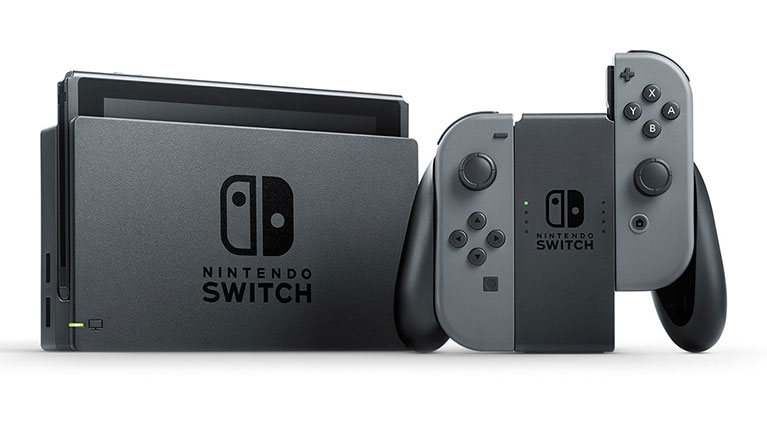
The Nintendo Switch is a hybrid console from Nintendo — meaning it functions as both a home TV console and a handheld portable device. That single idea reshaped how a lot of people think about gaming. You're not locked to the couch, and you're not stuck squinting at a tiny screen. You slide the tablet out of its dock and keep going wherever your day takes you.
Whether you're a casual player, a parent looking for family-friendly entertainment, or a longtime Nintendo fan, the Switch has built a reputation for being genuinely accessible. It doesn't try to out-muscle competitors with raw processing power. Instead, it bets on flexibility, a beloved game library, and a low barrier to entry. Let's walk through what that actually means in practice.
Contents
- Nintendo Switch in the Wild: Scenarios You'll Recognize
- Nintendo Switch Console Features and Price at a Glance
- The Highs and the Lows: What to Expect
- Getting the Most Out of Your Switch
- Should You Buy a Nintendo Switch? Know Before You Go
- Accessories Worth Picking Up for Your Setup
- Frequently Asked Questions
- Final Thoughts
Nintendo Switch in the Wild: Scenarios You'll Recognize
The Living Room Setup
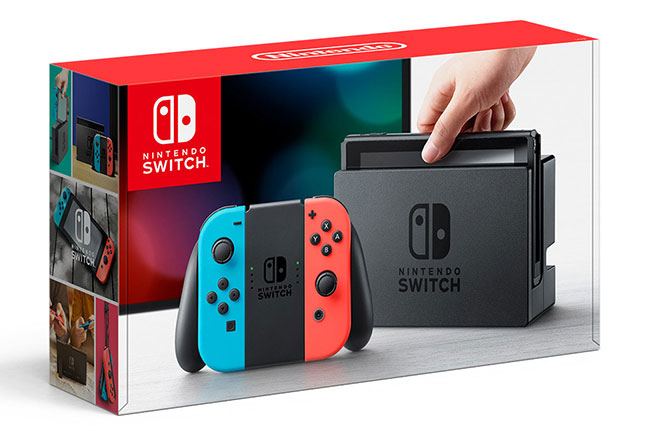
Picture a rainy Saturday afternoon. A few people show up, nobody planned anything, and someone suggests a game. With the Switch docked to your TV, you hand out the Joy-Con controllers — the small, removable controllers that clip onto either side of the tablet — and you're in a multiplayer game in under a minute. No extra hardware required for two players.
The Nintendo Switch fits naturally into social situations that other consoles make complicated. Party games, co-op adventures, competitive racing — the living room setup handles all of it without a big production. And because the Joy-Cons come with every standard Switch, the entry point for local multiplayer is built right in.
For players who love the narrative side of gaming, the Switch's exclusive library runs deep. Franchises like The Legend of Zelda have shaped what great game storytelling looks like. Our list of the Top 10 Video Game Stories of All Time puts some of those titles in perspective if you're looking for inspiration on where to start.
Gaming on the Go
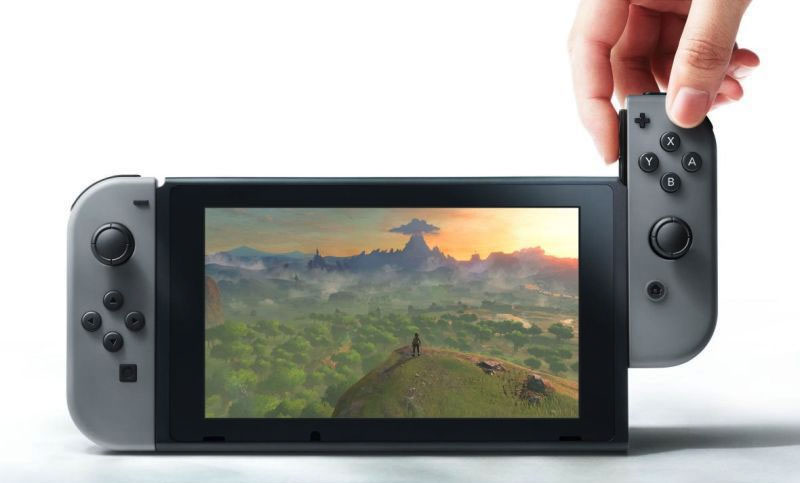
Slide the Switch out of its dock, snap the Joy-Cons into place on either side of the screen, and you're holding a full console game in your hands. The transition takes about ten seconds. You don't lose your progress — same save file, same spot, just a smaller screen.
Battery life lands between roughly 4.5 and 9 hours depending on what you're playing. Lighter titles stretch it; graphically demanding games drain it faster. For most commutes, travel days, or late-night sessions away from the TV, that runtime is more than enough.
Nintendo Switch Console Features and Price at a Glance
Nintendo has released three main versions of the Switch. Each one targets a slightly different type of player, and the price reflects those priorities. Picking the right model for your habits matters more than picking the most expensive one.
The Three Models
- Nintendo Switch (Standard) — The original hybrid experience. Works docked to the TV or in handheld mode. The most versatile pick for most households.
- Nintendo Switch Lite — Handheld only. Smaller, lighter, and lower in price. TV mode is not supported, and some games that rely on detachable Joy-Cons require a separate controller purchase.
- Nintendo Switch OLED — Same hybrid capability as the standard model, but with a larger 7-inch OLED display (versus 6.2 inches on the standard), a wider kickstand, and 64GB of internal storage instead of 32GB.
Feature Comparison
According to the Wikipedia entry on the Nintendo Switch, the console launched to strong critical reception and went on to become one of the best-selling gaming systems ever released — a track record worth noting when you're evaluating long-term software support.
| Model | TV Mode | Handheld Mode | Screen | Internal Storage | Approx. Price |
|---|---|---|---|---|---|
| Switch (Standard) | Yes | Yes | 6.2" LCD | 32GB | ~$300 |
| Switch Lite | No | Yes | 5.5" LCD | 32GB | ~$200 |
| Switch OLED | Yes | Yes | 7" OLED | 64GB | ~$350 |
Prices vary by retailer and region. Check current listings before you buy — deals come up regularly, and bundle offers can add meaningful value.
The Highs and the Lows: What to Expect
Pro tip: Before you settle on a model, ask yourself one question first — will you play mostly at home on a TV, mostly on the go, or both equally? That single answer narrows your choice immediately and saves you from buyer's remorse.
What the Switch Gets Right
These aren't marketing talking points — they're things that hold up in real, daily use:
- Flexibility — One device, two modes, no meaningful sacrifice in either
- Nintendo exclusives — Zelda, Mario, Splatoon, Pokémon, Metroid, and dozens more are available nowhere else
- Local multiplayer — Built in from day one; two players can share a single set of Joy-Cons right out of the box
- Accessibility — Easy to pick up for players of any age or experience level, including young kids
- Game library — A mix of Nintendo exclusives, indie titles, and major third-party ports adds up to thousands of options
- Community and longevity — A large, active player base and years of software support mean the library keeps growing
Gaming itself carries real benefits beyond entertainment. If you're on the fence about screen time or want to make a case to a skeptical partner, our article on the science-backed benefits of playing video games breaks down what the research actually shows about cognitive and social impact.
Where It Shows Its Limits
- Raw graphics power is noticeably lower than competing consoles — some multiplatform games look significantly better elsewhere
- Joy-Con drift (a hardware issue where the analog sticks register movement without any input from you) has been widely reported and remains a known frustration
- Nintendo Switch Online, the subscription required for most online multiplayer, costs extra and offers a smaller infrastructure than competing platforms
- Internal storage fills up fast — 32GB or 64GB goes quickly if you download games digitally rather than buying cartridges
- Some major third-party franchises skip the Switch entirely or arrive with significant visual or performance compromises
Getting the Most Out of Your Switch
Storage and Account Setup
A few small decisions made on day one will save you a lot of frustration later. Before you download your first game, take care of these basics:
- Buy a microSD card — 128GB is a solid starting point; 256GB if you plan to build a big digital library
- Create a Nintendo Account and link it to your console — this ties your purchased games to your account, not just the hardware
- Enable automatic software updates in system settings so your games and firmware stay current
- Grab a screen protector before you start docking and undocking regularly — the dock rails can scratch the display over time
Building a Game Library That Fits You
Resist the urge to buy five games at once right after unboxing. Start with one or two that match how you genuinely plan to play — solo or with others, short sessions or long ones. It's easy to accumulate games you never finish.
If your household plays online games with friends on other platforms, it's worth understanding how cross-platform play actually works. Our Fortnite cross-platform play guide explains how different systems connect — useful context if you're juggling multiple consoles at home and want to know who can play together.
Should You Buy a Nintendo Switch? Know Before You Go
When the Switch Makes Sense
You're a strong candidate for the Switch if any of these describe your situation:
- You want a single device that covers both home gaming and portable gaming without two separate purchases
- You have kids who will share the console — the family-friendly library and local multiplayer options are genuinely strong
- You care about Nintendo's exclusive franchises and can't play them anywhere else
- You play in short bursts and need flexibility around a busy schedule — the instant sleep and wake feature makes quick sessions painless
- You're building out a dedicated game room and want a console in the mix alongside your other gear — check our essential home game room equipment guide for ideas on what else to add to your setup
When to Look Elsewhere
The Switch isn't the right answer for everyone, and there's no point pretending otherwise. Consider other options if:
- Cutting-edge graphics and maximum performance are your top priorities — current-generation competitors are significantly more powerful
- You primarily play online multiplayer with a large group of friends who are all on other platforms
- You want the largest possible library of major third-party titles without visual compromises or missing features
- You game exclusively at home on a big TV — in that scenario, a more powerful console may deliver better value per dollar spent
Matching the console to the way you actually live and play is more important than picking the one with the best marketing. Both approaches are valid — it just depends on your priorities.
Accessories Worth Picking Up for Your Setup
The Essentials
Budget for these alongside the console itself. They're not optional extras — they're things you'll want within the first week:
- MicroSD card — Nearly essential if you plan to download games digitally
- Screen protector — Prevents scratches from the dock's guide rails, which can scuff the display over repeated insertions
- Carrying case — Protects the console and a few game cartridges when you're on the move
- Pro Controller — Feels like a traditional gamepad and is noticeably more comfortable than Joy-Cons for extended docked play sessions
- Nintendo Switch Online membership — Required for online multiplayer on most titles; also includes access to a library of retro games as part of the subscription
Comfort for Long Play Sessions
Your chair matters as much as your controller when you're playing for more than an hour at a stretch. An uncomfortable seat turns a great gaming session into something you cut short. We've compared popular options in our DXRacer vs Secretlab gaming chair guide — worth a read if you're putting together a proper setup that holds up to real use.
Beyond the physical setup, the Switch rewards players who take time to explore the full depth of its library. There's more variety there than most people expect walking in — from competitive titles to deeply relaxing experiences. Give yourself room to explore genres you wouldn't normally try.
Frequently Asked Questions
What exactly is the Nintendo Switch?
The Nintendo Switch is a hybrid gaming console made by Nintendo. It works as a traditional home console when docked to your TV and converts into a handheld device when you undock it. The Joy-Con controllers attach to either side of the screen in handheld mode and detach for TV play or local multiplayer.
How much does the Nintendo Switch cost?
Pricing varies by model and retailer. As a general guide, the Switch Lite runs around $200, the standard Switch around $300, and the Switch OLED around $350. Bundles with games or accessories are often available and can add good value. Always check current listings since prices fluctuate.
Can you play Nintendo Switch games on a TV?
Yes — the standard Switch and Switch OLED both support TV mode via the included dock. The Switch Lite does not support TV mode and is designed exclusively for handheld play. If TV gaming is important to you, the Lite is not the right choice.
What is Joy-Con drift and should I be worried about it?
Joy-Con drift is a hardware issue where the analog sticks on the Joy-Con controllers register movement or input without you actually touching them. It's a widely documented problem. Nintendo has offered free repairs in the past, and third-party controllers are an alternative if drift becomes an issue for you.
Does the Nintendo Switch require a subscription for online play?
Yes. Most online multiplayer games require a Nintendo Switch Online membership, which is a paid subscription. It comes in individual and family plan tiers and also includes access to a library of classic NES, SNES, N64, and other retro games. Some free-to-play titles like Fortnite do not require the subscription.
What's the main difference between the Switch and the Switch Lite?
The biggest difference is that the Switch Lite is handheld only — it cannot connect to a TV. It's smaller, lighter, and less expensive. The standard Switch (and OLED model) support both TV and handheld modes. If you want the flexibility to play on a big screen at home, the Lite isn't your answer.
How long does the Nintendo Switch battery last?
Battery life depends heavily on what you're playing. The original Switch lasts around 2.5 to 6.5 hours. The updated standard model and the OLED improve that to roughly 4.5 to 9 hours. The Switch Lite lands in a similar range. More graphically demanding games will drain the battery faster than lighter titles.
Final Thoughts
The Nintendo Switch console features and price point make it one of the more approachable decisions in gaming today — but the right choice still comes down to how you actually play. Take a look at the model comparison above, think honestly about whether you'll use handheld mode, and check out our video games section for more guides to help you get the most out of whatever system you choose. If you've already decided, go grab a microSD card along with it — you'll thank yourself later.


About Mike Jones
Mike Jones grew up in the golden age of arcade and home gaming — a childhood shaped by Atari classics like Pitfall, Frogger, and Kaboom that gave him a lifelong appreciation for games of all kinds. These days he covers the full breadth of tabletop and family gaming: board games, card games, yard games, table games, and game room setup, with a particular focus on finding the games that bring different groups together. At GamingWeekender, he covers game reviews, buying guides, and recommendations for families, friends, and hobbyists who take their leisure seriously.
You can get FREE Gifts. Or latest Free phones here.
Disable Ad block to reveal all the info. Once done, hit a button below