The triforce meaning legend of zelda is straightforward: three golden triangles, each embodying a divine virtue — Power, Wisdom, and Courage — forged by the Goddesses of Hyrule and left behind as a physical trace of their will. That's the foundation. Every villain, every quest, and every act of sacrifice across the franchise connects back to this one sacred relic. If you've spent any time exploring video games, you've seen the Triforce on box art, tattoos, and merchandise — but most players don't fully understand what it represents.
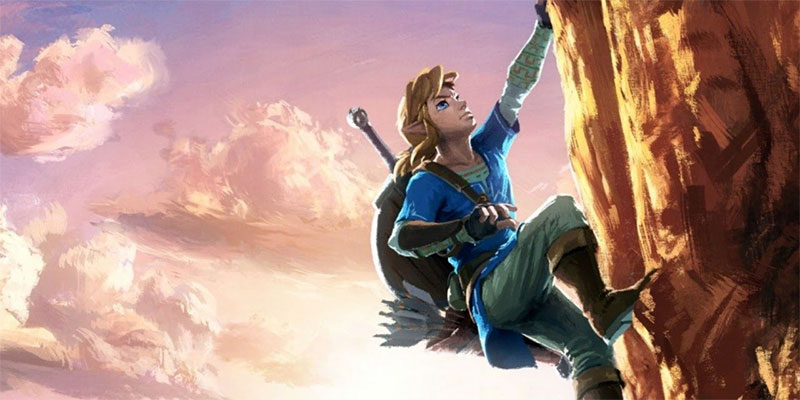
Nintendo didn't invent the Triforce out of thin air. The symbol draws from Japanese religious tradition, universal mythology, and a deliberate philosophy about balance that threads through every game in the series. Shigeru Miyamoto and his team built something that operates on multiple levels — a simple MacGuffin in early games, a rich moral framework in later ones. The deeper you dig, the more rewarding it gets.
This isn't fan theory. The lore is consistent, intentional, and reinforced across decades of storytelling. It's one reason the series consistently ranks among the top video game stories of all time — the Triforce isn't background decoration. It's the structural spine of everything that happens in Hyrule.
Contents
Real-World Roots: Where the Triforce Symbol Comes From
Shinto and Japanese Tradition
The Triforce's design draws from genuine Japanese cultural tradition. The mitsudomoe, a Shinto symbol featuring three interlocking comma shapes, appears on shrines and family crests throughout Japan. While the Triforce uses triangles rather than commas, the underlying concept is identical: three elements in dynamic, interdependent balance. Nintendo didn't borrow this casually — the visual language of three interlocking forces is deeply embedded in Japanese spiritual aesthetics.
In the game's mythology, the three Golden Goddesses — Din, Nayru, and Farore — descend to create Hyrule from nothing. Din forms the land with powerful flame. Nayru pours wisdom into the raw world to establish order and law. Farore uses her courage to breathe life into all living things. When they depart, the Triforce remains as the residue of their work — three distinct forces crystallized into one perfect artifact.
Pro Insight: The three goddesses map directly to creation, law, and life — themes found in Shinto, Hindu, and Greek mythology alike. Nintendo's choice wasn't arbitrary; it was designed to feel universally resonant even before you learn a single line of Zelda lore.
The Universal Power of Three
Cultures worldwide have independently arrived at the significance of three. Christianity has the Trinity. Hinduism has Brahma, Vishnu, and Shiva. Celtic traditions use the triquetra. Ancient Greek fate mythology centers on three Moirai. Three isn't just a number — it represents completeness and dynamic tension. It's the minimum number of distinct forces needed to create genuine balance rather than simple binary opposition.
Nintendo tapped into this unconscious cultural resonance deliberately. The Triforce works as a symbol partly because it already feels true, regardless of whether you know the lore. Power, Wisdom, and Courage cover the full spectrum of human aspiration — everyone wants at least one of these things, and most people recognize that wanting only one of them causes problems. That universality is precisely why the Triforce has become one of gaming's most recognizable icons across four decades.
The three-part structure also creates natural narrative conflict. When unified in the hands of a balanced soul, the Triforce grants the power to reshape reality itself. When split across three bearers with competing desires, it generates the central tension of nearly every Zelda plot. That's elegant design rooted in something much older than video games.
What Each Piece of the Triforce Actually Means
Each triangle carries a specific virtue, a designated bearer, and a corresponding Goddess. Here's a clear breakdown before diving into the nuance:
| Piece | Virtue | Primary Bearer | Goddess | Core Trait |
|---|---|---|---|---|
| Triforce of Power | Power | Ganondorf | Din | Ambition, dominance, raw creative force |
| Triforce of Wisdom | Wisdom | Princess Zelda | Nayru | Knowledge, foresight, strategic judgment |
| Triforce of Courage | Courage | Link | Farore | Bravery, selflessness, resolute action |
The Triforce of Power
Power sounds like the villain's virtue — and in most Zelda games, Ganondorf wields it destructively. But the Triforce of Power isn't inherently corrupt. It represents the raw creative and destructive force that built the world itself, the same energy Din used to forge Hyrule from nothing. The problem isn't Power. It's Ganondorf's heart, which pursues dominance without balancing it with Wisdom or Courage.
A balanced expression of Power looks like leadership, protection, and creation. Unbalanced, it becomes Ganon. That distinction is central to the Triforce's moral logic — and it reframes every antagonist in the series once you understand it.
The Triforce of Wisdom
Princess Zelda holds the Triforce of Wisdom across most timelines. Wisdom here goes beyond intelligence — it means foresight, the ability to understand long-term consequences, and the restraint to act strategically when direct force would fail. Zelda serves as the guiding mind of the hero's quest, directing Link even when she's imprisoned, in disguise, or separated across time and alternate realities.
Wisdom without Courage leads to paralysis. You can know exactly what needs to be done and still be unable to act on it. Zelda's reliance on Link isn't a weakness in her character — it's the Triforce's philosophy made tangible. No virtue is complete without the others.
The Triforce of Courage
Courage belongs to Link, and it's the most underrated of the three. Link rarely has Ganondorf's raw power or Zelda's divine foresight. He's an ordinary person in most interpretations of the story — a boy who becomes a hero not through birthright but through the willingness to keep moving forward regardless of odds. Courage is the bridge between knowledge and action. Without it, Wisdom becomes inert and Power faces no meaningful opposition. That makes Link's virtue arguably the most essential of the three.
Triforce Meaning in Legend of Zelda: How Each Game Uses It
The triforce meaning legend of zelda gets richer as you trace it across titles. It's not always front-and-center, but it's always functioning as the moral and narrative backbone — shaping character motivations, plot structure, and the stakes of every confrontation.
Ocarina of Time: The Template
Ocarina of Time established the modern Triforce framework that every subsequent game builds on. When Ganondorf touches the complete relic, it shatters because his heart is out of balance — he embodies Power without the other virtues. The remaining pieces fly to the individuals whose hearts most genuinely reflect Wisdom and Courage. This mechanic carries one firm moral implication: the Triforce responds to character, not to ambition.
You can conquer a kingdom, infiltrate the Sacred Realm, and place your hands directly on the relic — and still receive only one-third of it. The Triforce isn't something you take. It's something your character earns through the quality of what you genuinely are. That argument is embedded in the core mechanics of the game, not just its cutscenes.
Wind Waker, Twilight Princess, and Beyond
Wind Waker adds genuine complexity. Ganondorf explains that he sought the winds of fortune for his desert people — a population denied what Hylians took for granted. His desire for Power is still destructive, but it's comprehensible. That nuance wouldn't land without the Triforce framework giving his ambition a defined shape and logical limit. You understand what he wanted Power for.
Twilight Princess shows the Triforce of Power actively contaminating Zant, driving the entire plot through corruption rather than direct conquest. The Triforce of Courage is fragmented across Hyrule, and Link must physically reassemble it — a literal metaphor for his growth into a hero worthy of the virtue he carries. For more on how Nintendo's design philosophy shapes their storytelling at a systemic level, the breakdown of what went wrong and right with the Nintendo Wii U reveals a lot about how the company communicates — and sometimes fails to communicate — its creative vision.
Breath of the Wild and Tears of the Kingdom step back from the Triforce as a physical object, but the virtues persist throughout. Link's Courage is tested in a world that has already lost. The philosophical framework survives even when the golden triangles themselves don't appear on screen.
Triforce Symbolism You Probably Missed
Most players absorb the surface-level Triforce mythology without thinking too hard about it. Nintendo embedded specific design choices that reward close attention — details that operate below conscious awareness on a first playthrough but become obvious once you know what to look for.
The Balance Requirement
The Triforce's in-universe logic specifies that a person of unbalanced heart receives only the piece reflecting their dominant virtue, while the others scatter. This is elegant game design — but it's also a firm philosophical position: no single virtue is sufficient on its own.
- Power without Wisdom is tyranny
- Wisdom without Courage is paralysis
- Courage without Wisdom is recklessness
The complete Triforce functions only when all three are unified in one person or working in harmony across three. That's why the climactic confrontations in Zelda almost always require Link and Zelda acting together — Courage and Wisdom combining to oppose unbounded Power. One piece cannot resolve the conflict. Two cannot either. The math requires all three.
Warning: Don't conflate Power with evil and Courage with good — the Triforce isn't a morality scale. It's a balance system. Misreading this flattens the nuance Nintendo deliberately built into its antagonists and makes every villain one-dimensional.
Color Coding and Visual Language
Nintendo's art direction reinforces Triforce symbolism through deliberate color choices maintained consistently across decades of game design:
- Ganondorf: Deep reds, blacks, and dark purples — raw power tinged with corruption and consuming ambition
- Zelda: Blues, whites, and soft purples — calm, regal, and measured; the visual language of distant wisdom
- Link: Greens and earth tones — grounded, approachable, natural; the look of courage that belongs to ordinary people
These aren't accidental choices. They're the Triforce's symbolism translated into visual design, ensuring players who never read a line of lore still absorb the archetypes at a subconscious level. The mythology communicates itself without dialogue — which is exactly the kind of environmental storytelling that separates masterful game design from merely competent execution.
How to Engage With Zelda Lore Like a True Fan
Understanding the triforce meaning legend of zelda is a solid foundation. Fully appreciating the world Nintendo built around it takes some deliberate effort — the right sources and a thoughtful approach to which games you play and when.
Start With Official Sources
The Hyrule Historia, published by Dark Horse Comics, is Nintendo's official lore guide. It contains the complete official timeline, character backstories, world history, and direct commentary from the development team. Read it after you've completed several games — spoilers are unavoidable, but the book hits differently once you have context for what it describes. It also makes unmistakably clear how intentional the Triforce's symbolism is. This isn't retroactive world-building grafted onto a simple adventure game. The philosophical framework was present from the very beginning, and the Historia traces how it evolved.
Play the Games Strategically
You don't need to follow the official timeline strictly to enjoy Zelda. But if you want to trace how the Triforce's role evolves across the series, a loose sequence helps you see the progression clearly:
- Start with Ocarina of Time — it establishes the core framework that every later game references
- Play A Link to the Past for the backstory on the Sacred Realm and the origins of the conflict
- Move to Wind Waker and Twilight Princess for mature thematic variations on the core mythology
- Finish with Breath of the Wild and Tears of the Kingdom for the modern reimagining of what Hyrule and its conflicts mean
If you're drawn to games that push your limits and reward genuine persistence — which describes nearly every major Zelda title — check out the roundup of the most difficult video games to beat. Several Zelda entries appear, and their difficulty is never arbitrary. It's directly tied to the themes of earned courage that the Triforce represents at its core.
Lore and gameplay reinforce each other in Zelda more than in almost any other franchise. The harder the dungeon, the more it means when Link pushes through. That connection isn't accidental — it's the Triforce's philosophy made playable.
Frequently Asked Questions
What does the Triforce symbolize in Legend of Zelda?
The Triforce symbolizes the three divine virtues left behind by the Golden Goddesses: Power (Din), Wisdom (Nayru), and Courage (Farore). Together, they represent a complete, balanced force capable of granting any wish. Separated across three bearers with competing desires, they generate the central conflict of the entire series — with each virtue embodied by a different iconic character.
Who holds each piece of the Triforce?
In most Zelda timelines, Ganondorf holds the Triforce of Power, Princess Zelda holds the Triforce of Wisdom, and Link holds the Triforce of Courage. These assignments aren't random — each character genuinely embodies their virtue through their choices, motivations, and actions throughout the games. The Triforce responds to who you actually are, not who you claim to be.
What happens when someone touches the complete Triforce?
If the person who touches the complete Triforce has a balanced heart — one that equally values Power, Wisdom, and Courage — they receive the entire relic and can make any wish. If their heart is unbalanced, the piece matching their dominant virtue stays with them while the other two scatter to people whose hearts most genuinely reflect the missing virtues. You cannot claim what you don't embody.
Is the Triforce based on a real symbol?
Yes. The Triforce draws direct inspiration from the mitsudomoe, a Japanese Shinto symbol representing three interlocking forces in dynamic balance. Nintendo also drew on universal mythological traditions that organize divine forces in threes — including Hindu, Christian, and Celtic frameworks. The design is rooted in real cultural symbolism rather than invented from scratch, which is a large part of why it resonates so broadly.
Why does Ganondorf only get the Triforce of Power?
Ganondorf's heart is dominated entirely by the desire for dominance. When he touches the Triforce, in-universe logic dictates that only the piece reflecting his dominant virtue — Power — remains with him. The other two pieces flee to Link and Zelda because their hearts genuinely reflect Courage and Wisdom. The Triforce essentially takes a character reading and distributes itself accordingly. Ambition alone is never enough.
Does the Triforce appear in every Zelda game?
Not always as a physical object central to the plot. In Breath of the Wild and Tears of the Kingdom, the Triforce recedes to the background and its pieces aren't the driving MacGuffin. However, the three virtues — Power, Wisdom, and Courage — continue to shape every major character's arc and motivation even when the golden triangles themselves aren't on screen. The philosophy outlasts the artifact.
What is the Triforce of Courage, and why does Link always hold it?
The Triforce of Courage represents the willingness to act in the face of impossible odds with no guarantee of success. Link holds it across most timelines because he consistently demonstrates exactly this quality — he's an ordinary person who keeps moving forward regardless of the stakes or the scale of what he faces. It's deliberately the least flashy of the three virtues, which makes it the most relatable and arguably the most essential of the three.
Final Thoughts
The Triforce isn't a golden plot device — it's a fully realized philosophical system that gives the entire Legend of Zelda franchise its moral weight. Now that you understand what each piece represents and why the balance between them matters, go back to whichever Zelda title is in your collection and experience it through that lens. Every character choice, every dungeon, and every sacrifice snaps into sharper focus. Start with Ocarina of Time if you haven't already — it's the clearest entry point for seeing everything the Triforce's symbolism is built to deliver, and it will make every game you play afterward richer for it.


About Mike Jones
Mike Jones grew up in the golden age of arcade and home gaming — a childhood shaped by Atari classics like Pitfall, Frogger, and Kaboom that gave him a lifelong appreciation for games of all kinds. These days he covers the full breadth of tabletop and family gaming: board games, card games, yard games, table games, and game room setup, with a particular focus on finding the games that bring different groups together. At GamingWeekender, he covers game reviews, buying guides, and recommendations for families, friends, and hobbyists who take their leisure seriously.
You can get FREE Gifts. Or latest Free phones here.
Disable Ad block to reveal all the info. Once done, hit a button below