Over 300 million people play table tennis worldwide, making it one of the most popular indoor sports on the planet. Finding the best ping pong tables for home is easy to overthink — prices range from under $100 to well over $1,000, and most people aren't sure which tier actually makes sense for their space and budget. Our team has spent considerable time researching and testing tables across every price point, and this guide cuts through the noise. For anyone who wants to explore the sport's quirky side first, our roundup of interesting ping pong facts is worth a quick read before diving into gear.
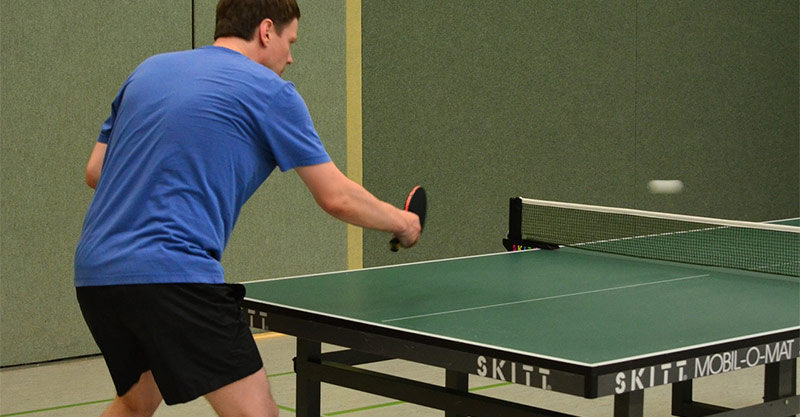
This guide covers what different price tiers actually deliver, how indoor and outdoor models compare, and which specific tables our team recommends for different types of players. We've added a myth-busting section and a practical maintenance breakdown — because a quality table, cared for properly, can last a decade or more.
Ping pong is one of the most versatile additions to any home game room. Whether the goal is casual family fun or serious skill-building, there's a table that fits. Our broader table games coverage shows just how much variety exists in this category, and ping pong consistently ranks among the best value-for-money picks in that space.
Contents
- The Story Behind Table Tennis and Why It Thrives at Home
- Breaking Down Ping Pong Table Prices for Every Budget
- Our Team's Top Picks: Best Ping Pong Tables for Home
- Casual Fun vs. Serious Play: Matching Tables to Skill Level
- Indoor vs. Outdoor Tables: Weighing the Trade-Offs
- Debunking Common Myths About Home Ping Pong Tables
- Caring for a Home Ping Pong Table the Right Way
- Next Steps
The Story Behind Table Tennis and Why It Thrives at Home
Table tennis has a surprisingly rich backstory. According to Wikipedia's overview of table tennis, the sport began in Victorian England as an after-dinner parlor activity, played with improvised gear — books as nets, rounded lids as paddles, and a golf ball as the projectile. That casual, accessible spirit has followed the game ever since. For a detailed look at how it evolved into the competitive discipline it is today, our table tennis history guide covers the full timeline from parlor novelty to global sport.
From Victorian Parlor Game to Olympic Sport
- Table tennis became an official Olympic sport in 1988 at the Seoul Games
- The International Table Tennis Federation (ITTF) was founded in 1926 and now includes over 220 member associations
- Equipment has evolved enormously — modern tables use engineered wood composites, and paddles use specialized rubber designed to maximize spin and speed
- Despite this evolution, the core appeal remains the same: fast, fun, and playable in almost any space
Why Home Play Has Never Been More Practical
Modern table designs have made home play easier than ever to pull off. Key developments that drive this:
- Foldable two-piece designs that stand upright for storage and take up less than 5 square feet when folded
- Wheeled frames that most people can move solo without much effort
- Weather-resistant outdoor models that live on a patio or deck year-round without special care
- A wide price range that makes entry-level play possible for under $200
Our team finds that table tennis fits naturally alongside other home game room staples. It pairs well with dart boards, air hockey, and billiards — all staples of the game room setup hobby covered throughout this site.
Breaking Down Ping Pong Table Prices for Every Budget
Price is usually the first question, and it's a fair one. The table market is enormous, and quality varies significantly across tiers. Here's what different budgets actually get when shopping for the best ping pong tables for home use.
| Budget Tier | Price Range | Tabletop Thickness | Frame Quality | Best For |
|---|---|---|---|---|
| Entry-Level | $100–$300 | 12–15mm | Basic steel legs | Casual family play, kids |
| Mid-Range | $300–$600 | 15–19mm | Sturdy steel, adjustable leveling | Regular home play, improving players |
| Premium | $600–$1,000 | 19–22mm | Heavy-duty, tournament-style | Dedicated players, dedicated game rooms |
| Professional | $1,000+ | 25mm+ | ITTF-approved construction | Serious competitors, clubs |
Pro tip: Tabletop thickness is the single spec our team checks first. A 15mm surface and an 19mm surface look identical in product photos but play very differently — always verify the spec before purchasing.
Entry-Level Tables ($100–$300)
This tier is where most first-time buyers land. Entry-level tables get the job done for casual play but carry real limitations:
- Thinner tops (12–15mm) produce inconsistent bounce, especially near the edges
- Frames are lighter and can wobble on uneven surfaces
- Folding mechanisms are functional but rarely smooth
- Our team thinks this tier is fine for very occasional use but often disappoints players who want to actually improve their game
Mid-Range Tables ($300–$600)
This is the sweet spot for most home buyers. Mid-range tables offer a meaningful performance jump without crossing into professional pricing. Most people in this bracket get:
- 15–19mm tops with noticeably better, more consistent bounce
- Sturdier frames with adjustable leveling feet
- Smoother foldable designs, often with a playback mode for solo practice
- Paddles and balls included in most packages
Premium Tables ($600 and Up)
Premium tables are built for players who take the game seriously at home. They typically offer:
- 19–25mm tabletops with a professional-quality, predictable bounce
- Heavy, robust frames that stay stable during aggressive, fast-paced play
- Precise net hardware and a polished, low-glare surface finish
- Longer warranties — often 3–5 years versus 1 year at lower tiers
Our Team's Top Picks: Best Ping Pong Tables for Home
After reviewing dozens of models, these are the tables our team recommends most consistently. These picks cover the three most common home buyer situations.
Best Budget Option: JOOLA Triumph
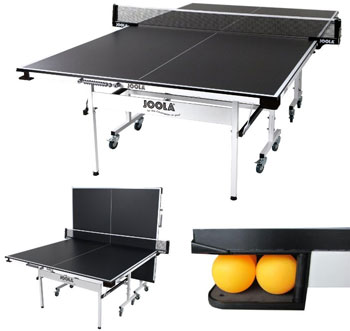
The JOOLA Triumph is a consistent standout at the entry level. It arrives fully assembled out of the box, features a 15mm tabletop, and ships with paddles and balls included. Our team recommends it for families and first-time players:
- Quick setup — most people have it ready in under 30 minutes
- Foldable with a playback mode for solo practice
- Solid construction for the price, though the bounce feels noticeably thinner than mid-range options
- Good starter table for households where play will be occasional
Best Mid-Range Table: Stiga Synergy
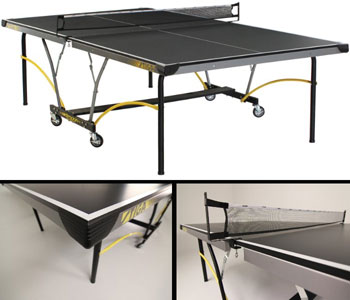
The Stiga Synergy sits firmly in the mid-range and delivers a noticeably better playing experience than budget options. It's the table our team would steer most home buyers toward:
- Consistent, even bounce across the full 9-foot surface
- Sturdy frame with adjustable feet for uneven floors
- Compact fold design with a safety lock system
- Strong value for players who want to actually develop their game over time
Best Premium Pick: JOOLA Ipong
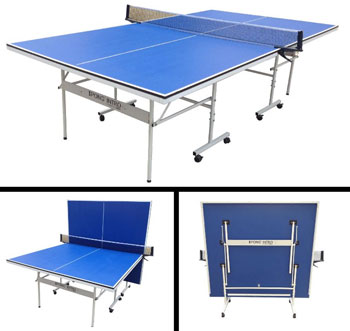
For dedicated home players who want a near-tournament experience, the JOOLA Ipong delivers. Our team recommends this one for game rooms where the table is a true centerpiece, not just a space-filler:
- Competition-grade bounce and a smooth, professional surface finish
- Extremely stable under fast, aggressive play
- The higher price is justified for anyone playing daily or running solo drills regularly
Casual Fun vs. Serious Play: Matching Tables to Skill Level
Skill level matters more than most people realize when choosing a table. A mismatch here is one of the most common buyer mistakes our team encounters. For anyone looking to develop real technique, our guide on how to practice table tennis by yourself is a great companion read to this section.
What Recreational Players Actually Need
Casual and recreational players don't need a professional-grade table. What actually matters at this level:
- Simple, fast setup — most people won't consistently use a table that's difficult to assemble and store
- A folding design with a playback mode (one half folds up vertically to create a wall-bounce surface for solo play)
- Basic accessories included so no extra shopping is required immediately
- Durability over bounce precision — a table that survives rough, casual use matters more than a perfect surface at this stage
For this group, spending $200–$350 hits the sweet spot. Going higher doesn't add meaningful value for occasional play.
Features That Matter for Dedicated Players
For players who want to genuinely improve, additional features start to earn their cost:
- Tabletop thickness of 19mm or more for consistent, predictable ball response
- Stable, heavy frames that don't shift during fast exchanges
- Precise leveling feet — even a slight surface tilt affects play quality noticeably
- Ball return gutters built into the table frame for efficient solo drill sessions
- ITTF-standard dimensions (9 x 5 feet, 2.5 feet high) so practice transfers cleanly to competitive play
Indoor vs. Outdoor Tables: Weighing the Trade-Offs
Indoor and outdoor tables are built very differently, and the distinction matters significantly. Buying the wrong type for a given space is one of the more expensive mistakes home buyers make when searching for the best ping pong tables for home use.

Where Indoor Tables Win
- Superior playing surface — indoor tables consistently deliver a better, more consistent bounce at every price tier
- Wider range of quality options across all budgets
- Typically lighter and easier to reposition within a room
- Not exposed to humidity, temperature swings, or UV light — surfaces hold up much longer
Where Outdoor Tables Make Sense
Outdoor tables are purpose-built for elements exposure. Their key advantages:
- Tabletops made from aluminum composite or resin — fully waterproof and UV-resistant
- Frames are typically galvanized or powder-coated steel to resist rust
- No need to move the table inside after each session
- Great for patios, decks, and garages without climate control
The trade-off is bounce quality. Outdoor tabletops don't quite match the playing feel of a comparable indoor surface. For most casual outdoor users, this is a perfectly acceptable compromise — and premium outdoor brands like Cornilleau and Kettler have closed the gap considerably in recent years.
Debunking Common Myths About Home Ping Pong Tables
A few persistent myths consistently lead home buyers to decisions they later regret. Our team has encountered all of these more than once.
Myth: A Cheap Table Is Fine for Beginners
This one is half-true and half misleading. A $100–$150 table works for very occasional play, but beginner players who want to actually improve will quickly outgrow — or be frustrated by — a thin-topped entry model. A 15mm tabletop in the $250–$300 range is the real minimum for anyone who takes the game even slightly seriously. Going too cheap often means buying twice within a year.
Myth: All Tables Play Basically the Same
Tabletop thickness alone makes a significant difference in how a table plays. A 12mm table and a 22mm table don't just bounce differently — they reinforce different habits. On a thin table:
- Bounce is lower and less predictable from point to point
- Spin response is noticeably reduced
- Edge balls behave inconsistently, making skill development harder
Our team has observed that players who learn on very thin tables sometimes develop compensating techniques that don't transfer well when they switch to better equipment later.
Myth: Outdoor Tables Are Always Lower Quality
Not true anymore. Premium outdoor tables from established brands now compete meaningfully with solid mid-range indoor tables on bounce quality. The main trade-off is still surface feel versus durability — outdoor tables optimize for weather resistance, indoor tables optimize for play quality. Neither category is objectively lower quality; they're each built for a different context, and the best choice comes down to where the table will actually live.
Caring for a Home Ping Pong Table the Right Way
A quality ping pong table can last 10–15 years with proper care. Most common damage is preventable, and routine upkeep takes very little time on a regular basis.
Routine Cleaning and Day-to-Day Care
- Wipe the playing surface with a damp — never wet — soft cloth after each use
- Avoid placing heavy objects on the table when not in use (warping from sustained pressure is permanent)
- Keep net hardware clean and properly tensioned — loose nets affect play quality and wear out faster
- Store paddles in a case to prevent rubber degradation from UV exposure and heat
- Check and re-level the table periodically, especially if it sits on a wooden or uneven concrete floor
Storage, Repairs, and Long-Term Upkeep
When storing a folded table for an extended period:
- Store in a climate-controlled space — humidity and temperature swings are the biggest enemies of wood-core tabletops
- Keep the table upright in its folded position rather than laying it flat, which reduces long-term warping risk
- For outdoor tables, use a UV-resistant cover even when the table sits in a covered patio area
- Minor surface scratches can generally be left alone — they rarely affect play noticeably
- Deep gouges or delamination are signs it's time to replace a tabletop panel, not necessarily the whole table
Worth knowing: Storing a ping pong table in an unheated garage or shed through a cold, damp winter is one of the most common causes of warping our team sees. A tight moisture barrier cover — or better, a climate-controlled room — is the single best long-term investment after the table itself.
Our team also recommends inspecting the underframe bolts and hinge mechanisms once or twice a year. Loose hardware is the most common source of wobble during play, and tightening it is usually a 5-minute fix with a wrench.
Next Steps
- Measure the space first. A standard ping pong table is 9 x 5 feet, but most people need at least 5 feet of clearance on each end and 3 feet on the sides for comfortable play. Confirming the space works before purchasing prevents one of the most common buyer regrets.
- Set a realistic budget. For regular home use, our team recommends starting at $300 or above. Entry-level tables under $200 are adequate for kids or very occasional use, but most adult players find them unsatisfying within a few months.
- Decide on indoor vs. outdoor. The primary location determines the table type. Garages without climate control, patios, and uncovered decks call for outdoor-rated construction — an indoor table in those conditions won't last.
- Read up on solo practice options. Our guide to practicing table tennis alone shows how to get real value from any home table setup, even without a regular opponent readily available.
- Verify the warranty before buying. Quality tables come with 1–5 year coverage. Always check what's included and confirm the return/shipping policy when buying online — tables are heavy, and return freight costs can be significant if something arrives damaged.


About Mike Jones
Mike Jones grew up in the golden age of arcade and home gaming — a childhood shaped by Atari classics like Pitfall, Frogger, and Kaboom that gave him a lifelong appreciation for games of all kinds. These days he covers the full breadth of tabletop and family gaming: board games, card games, yard games, table games, and game room setup, with a particular focus on finding the games that bring different groups together. At GamingWeekender, he covers game reviews, buying guides, and recommendations for families, friends, and hobbyists who take their leisure seriously.
You can get FREE Gifts. Or latest Free phones here.
Disable Ad block to reveal all the info. Once done, hit a button below