More than 215 million Americans play games regularly, yet fewer than 15% have a home space actually built around that hobby. If you're ready to fix that, knowing which essential home game room equipment to prioritize will save you real money and a lot of buyer's remorse. The wrong purchase order leaves you with expensive gear and no room to use it. The right plan gives you a space your friends never want to leave. Before you spend anything, spend five minutes in the game room planning stage — it changes everything.
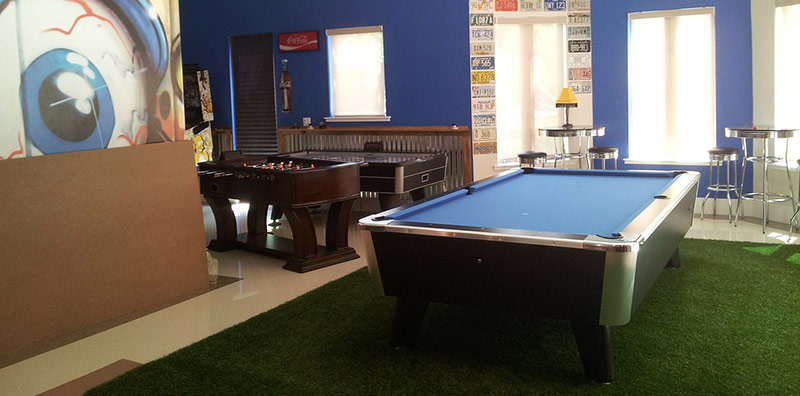
A good game room isn't about having the most stuff. It's about having the right stuff, arranged well, for the people who actually use it. A family with young kids needs different equipment than a crew of adults who want competitive billiards every Saturday. That distinction matters more than any gear list you'll find online.
You don't have to buy everything at once. The best game rooms get built piece by piece, with each addition earning its square footage. This guide walks you through what to buy, how much to spend, what layouts actually work in real homes, and how to keep everything in shape for the long haul.
Contents
What Makes a Great Game Room
The Roots of the Dedicated Play Space
The idea of a room built purely for games is older than you might expect. Billiard rooms were standard features in wealthy European homes by the 1700s, and dedicated leisure spaces gradually became accessible to middle-class households through the mid-20th century. The basement rec room of the 1950s and 60s — with a pool table, bar stools, and a hi-fi system — is the direct ancestor of the modern game room. Understanding that history of billiards and other classic games gives you useful perspective when you're shopping. The games that have been popular for a century are popular for a reason. They're social, competitive, and endlessly replayable without requiring a screen.
Today's game room can mean anything from a basement with a single dartboard to a fully equipped entertainment suite with arcade machines and a custom bar. The core idea never changed: a space designed around play, built for the people in your life. What works is specific to you, your household, and how you actually spend time with the people you invite over.
Matching Equipment to Your Players
Before you buy a single piece of equipment, think hard about who's actually going to use this space. Are you hosting family game nights with a wide age range? Hosting competitive friends who take their games seriously? A rotation of casual guests who just want something to do between dinner and dessert? Your answer should drive every single purchase decision you make.
The biggest mistake new game room builders make is buying what looks impressive rather than what their specific group will actually play. A foosball table is compact, social, and works for nearly every age. An arcade cabinet is a statement piece that fits some households perfectly and sits ignored in others. Be honest with yourself before you commit to something that takes up eight square feet of floor space permanently.
Building Your Game Room on Any Budget
Entry-Level Picks Under $500
You can build a genuinely fun game room without spending a fortune. At the under-$500 level, you're looking at combination game tables, dartboards, card game storage, and basic seating. A decent combination table covering air hockey, billiards, and ping pong in one unit runs $150–$300 and is a smart starting point for a smaller space — you get three games for the footprint of one.
A good dartboard cabinet — the kind with doors that protect the wall and store your darts neatly — is another smart early buy. Our guide to the best dart board cabinet options covers specific models worth your money. At this price level, every item needs to earn its square footage. Versatility beats specialization when your budget is tight.
Mid-Range Setups ($500–$2,000)
This is where your game room starts to feel like a real destination. A quality standalone pool table runs $600–$1,200 used, and a solid ping pong table in this range is near tournament quality. Our best ping pong tables for home guide covers specific picks that fit real living spaces — not just showrooms. The table below shows a realistic mid-range budget breakdown for a complete setup:
| Equipment | Estimated Cost | Space Required | Best For |
|---|---|---|---|
| Pool / Billiards Table | $600–$1,200 | 14' × 18' minimum | Adults, competitive play |
| Ping Pong Table | $200–$500 | 9' × 5' + 5' clearance | All ages |
| Foosball Table | $150–$400 | 4' × 6' minimum | All ages, groups |
| Dartboard + Cabinet | $80–$200 | Wall-mounted, 8' throw line | Adults, small spaces |
| Air Hockey Table | $200–$500 | 8' × 4' + 3' clearance | Kids, competitive |
| Gaming Chairs (pair) | $200–$600 | Floor space only | Video game setups |
| Bar Stools / Spectator Seating | $100–$300 | Perimeter space | All setups |
Premium Game Rooms ($2,000+)
At the premium level, you're adding full-size arcade machines, pinball machines, high-end custom pool tables, and ambient lighting. A used pinball machine is one of the most popular premium additions — and one of the most misunderstood purchases in the hobby. Prices range from $1,500 to $5,000 depending on era and condition, and the variation in quality is enormous. Read our guide to buying a used pinball machine before you pull the trigger. Knowing what to inspect in person saves you from buying someone else's restoration project.
Premium gear is a long-term investment, not a luxury splurge. A well-maintained pool table or pinball machine holds its value better than almost any other home entertainment purchase. If you're going this route, buy the best quality you can reasonably afford rather than the cheapest version of something that will get heavy daily use.
Game Room Setups That Actually Work
The Classic Rec Room
The classic rec room centers around one or two large table games — usually pool, ping pong, foosball, or air hockey — with bar-height seating for spectators. This layout works best in a basement or large garage and draws a crowd naturally. If you go with air hockey, spend twenty minutes learning the fundamentals before your first game night. Avoiding the most common air hockey mistakes makes the game significantly more fun for everyone at the table, especially newer players who pick up bad habits fast.
Mix at least one fast-paced game with one slower, strategic option. Air hockey and foosball create energy and noise. Pool and darts slow things down and let people cycle in and out of play naturally. That contrast is what keeps people in the room for hours instead of drifting away after the first round.
The Video Game Corner
Not everyone wants a billiards table. A video game corner built around a large TV, a quality sound system, and two or three good chairs is a completely valid game room setup — and in smaller homes, it's often the most practical one. The key is comfort. You'll be sitting in those chairs for extended sessions, so don't cut corners on them.
If you're comparing gaming chair options, the DXRacer vs Secretlab comparison covers two of the most popular brands side by side with real differentiators. A good gaming chair makes a bigger difference than most people expect, especially in multi-hour sessions. Pair that with proper screen height, warm ambient lighting behind the display, and a simple cable management solution and you have a setup that's actually comfortable to use for years.
How to Choose the Right Essential Home Game Room Equipment
Think Space Before Gear
Measure your room before you buy anything. Write down the dimensions, map out doors and windows, and calculate how much clear floor space you're actually working with. A pool table that's one foot too wide for proper cue clearance becomes unusable. A ping pong table that forces you to stand in a hallway isn't fun for anyone. Regulation-size pool tables need at least 5 feet of clearance on all sides for a standard 57-inch cue — run that math before you fall in love with a table at the store.
Pro tip: Use masking tape on the floor to mock up the full footprint of any large equipment before you buy — it takes five minutes and saves you from a very expensive mistake.
If your space is tight, lean into compact options first. Dartboards take almost no floor space. Foosball tables fit in a 4 × 6 foot area. A wall-mounted cue rack for a smaller billiards table can shave a full foot off your clearance requirement. Work with your room, not against it.
Build Around Your Crowd
The best essential home game room equipment is the equipment that actually gets used. That means prioritizing the games your specific group plays over the ones that look good in photos. A foosball table in a house with regular dinner parties will see more action than a $3,000 pinball machine in a house where nobody really plays pinball. Know your crowd.
Think about skill accessibility too. Games like air hockey, darts, and ping pong are easy to pick up and enjoyable at all skill levels. Pool has a steeper learning curve for newcomers. If your crowd mixes serious players with casual guests, lean toward games with low entry barriers first, then layer in more competitive equipment as the group's skills grow together. A game room that intimidates casual guests stops being a social space.
The Real Pros and Cons of a Home Game Room
Why It's Worth Every Dollar
The obvious benefit is entertainment on your own terms. But the real value of a home game room is social. It gives you a reason to have people over, and it creates a natural gathering point where guests stay longer without you having to work for it. People who might leave a dinner party early will stick around for another rack of pool or a rematch at air hockey. The game room does the hosting for you.
Quality game room equipment also holds its value when you maintain it. A good pool table or foosball table is just as fun in twenty years as it is today. Unlike home theater gear that gets outdated every few years, classic table games don't depreciate much if they're cared for. The upfront cost looks much more reasonable when you're still using the same equipment a decade later.
The Trade-offs You Should Know
Space is the biggest trade-off. Game rooms require significant square footage, and that space can't easily pull double duty once the equipment is installed. You're committing the room to a single purpose. In a house where every room earns its keep, that's a real decision to weigh carefully.
Noise is another legitimate factor. Air hockey tables are loud when in use. Billiard balls carry through floors and walls more than you'd expect. A basement room with heavy rugs and some acoustic treatment on the walls goes a long way toward keeping that noise contained. If you're in an apartment or condo, check your lease and building rules before buying any motorized equipment — some buildings prohibit it, and finding out after delivery is a bad day.
Keeping Your Game Room Equipment in Peak Condition
Routine Maintenance by Equipment Type
Every piece of game room equipment has specific maintenance needs, and ignoring them costs money. Pool table felt needs light brushing after every session and full replacement every two to five years depending on use. The slate underneath should stay level — even minor warping noticeably affects ball movement. Ping pong table surfaces need to stay flat and dry. Folding tables left in humid garages will warp within a season and play terribly.
For foosball tables, the rods need regular lubrication to stay smooth and responsive. Dry rods cause jerky, uneven play that takes the fun out of the game quickly. Our full guide to foosball table maintenance and care covers exactly what to use and how often — it's a quick read that will extend the life of your table significantly.
Storage and Long-Term Care
If you live in a humid climate, moisture is your game room's biggest enemy. Pool table felt absorbs humidity and can develop mold in unventilated basements. Wood components on foosball and ping pong tables swell and warp when exposed to repeated humidity changes. A dehumidifier in a basement game room pays for itself fast — it's a small recurring cost compared to replacing warped equipment.
Cover your equipment when it's not in use. Table covers for pool tables, ping pong tables, and foosball tables are inexpensive — usually $20–$60 — and they dramatically extend the life of your playing surfaces. Bristle dartboards (the self-healing sisal kind) last much longer when kept out of direct sunlight, which dries out the fibers and causes them to crack. These are small habits, but they're what separates a game room that stays sharp for a decade from one that looks tired in two years.
Frequently Asked Questions
What is the most important piece of essential home game room equipment to buy first?
Start with the game your group will actually play the most. If you entertain mixed crowds of different ages and skill levels, a foosball table or combination game table gives you the most social value per dollar. If your household is video game focused, invest in quality seating and a large display before anything else. Your crowd determines your priority — not what looks impressive in a showroom.
How much space do I need for a home game room?
A functional game room built around one large table game needs at least 300–400 square feet of usable floor space. A standard pool table requires a room roughly 14 by 18 feet to allow proper cue clearance on all sides. If your space is smaller, focus on compact options like dartboards, wall-mounted shuffleboards, or foosball tables, which require significantly less room without sacrificing the social experience.
Is it better to buy new or used game room equipment?
Used equipment is almost always the better value for large items like pool tables, foosball tables, and pinball machines. Quality game room gear is built to last decades, and a well-maintained used table performs identically to a new one at a fraction of the price. Always inspect in person when possible, and specifically check the felt, rod smoothness, playing surface flatness, and leveling feet before you commit to any purchase.
How do I maintain a dartboard to make it last longer?
Rotate your dartboard regularly — most bristle boards have a removable number ring that lets you spin the playing surface, distributing wear evenly instead of destroying the high-use sections. Keep the board away from direct sunlight and humidity, and always pull darts straight out rather than at an angle. Angled removal widens the holes in the sisal fibers and accelerates wear far faster than normal play.
Key Takeaways
- Choosing the right essential home game room equipment starts with measuring your space and knowing exactly who will use it — those two factors should drive every purchase decision you make.
- You can build a genuinely fun game room for under $500 by starting with versatile, multi-game options and adding specialized equipment over time as your priorities become clearer.
- Classic table games like billiards, foosball, ping pong, and darts hold their value for decades with basic care, making them better long-term investments than most home entertainment purchases.
- Simple routine maintenance — lubricating foosball rods, brushing pool felt, rotating dartboards, and controlling humidity — is what separates a game room that stays great for years from one that falls apart after two seasons.


About Mike Jones
Mike Jones grew up in the golden age of arcade and home gaming — a childhood shaped by Atari classics like Pitfall, Frogger, and Kaboom that gave him a lifelong appreciation for games of all kinds. These days he covers the full breadth of tabletop and family gaming: board games, card games, yard games, table games, and game room setup, with a particular focus on finding the games that bring different groups together. At GamingWeekender, he covers game reviews, buying guides, and recommendations for families, friends, and hobbyists who take their leisure seriously.
You can get FREE Gifts. Or latest Free phones here.
Disable Ad block to reveal all the info. Once done, hit a button below