You've spent thirty minutes on Amazon, tabs multiplying across your browser, and you still can't tell whether the cooperative board game you're eyeing will generate actual table excitement or quietly migrate to the closet after two sessions. That's the core frustration with this category — the marketing copy sounds nearly identical for every title, but the real play experience varies enormously based on your group's tolerance for rules complexity, their appetite for genuine strategy, and how much they actually enjoy coordinating decisions under pressure.
In 2026, cooperative board games represent one of the most design-rich corners of the tabletop hobby. The cooperative format eliminates the "someone has to lose" problem that keeps casual players from engaging seriously with competitive games — the table either succeeds together or fails together, generating shared stories that players reference long after the session ends. According to Wikipedia's overview of cooperative board games, the genre has exploded in popularity since Pandemic redefined mainstream expectations for collaborative play, and the design innovation since then has been remarkable. The best games are engineered so no single player can simply dictate optimal moves, which forces genuine group deliberation without tipping into argument.
This guide covers seven exceptional cooperative games that represent the strongest available options across every experience level and play style — from genre-defining classics that belong in almost every collection to demanding campaign experiences built for dedicated hobbyists. If your group enjoys solo modes as much as group play, check out our roundup of the Top 20 Best Solo Board Games, because several of today's picks handle single-player beautifully. And if you're setting up a full game night space, a proper setup from our best gaming chairs guide will make those three-hour Gloomhaven sessions dramatically more comfortable. For all things tabletop, browse the full board games category.
Contents
Our Top Picks for 2026
- #PreviewProductRating
- Bestseller No. 1
 Rating:

- Bestseller No. 2
 Rating:
 - Bestseller No. 3
 Rating:
 - Bestseller No. 4
 Rating:
 - Bestseller No. 5
 Rating:
 - Bestseller No. 6
 Rating:
 - Bestseller No. 7
 Rating:
In-Depth Reviews
1. Asmodee Pandemic Board Game — Best Overall Cooperative Game
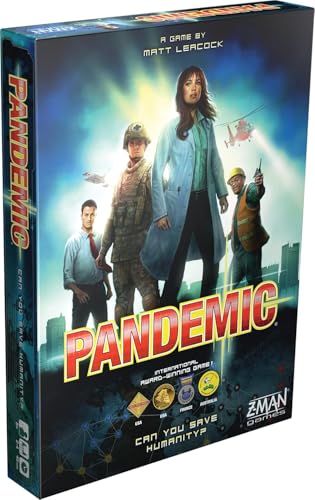
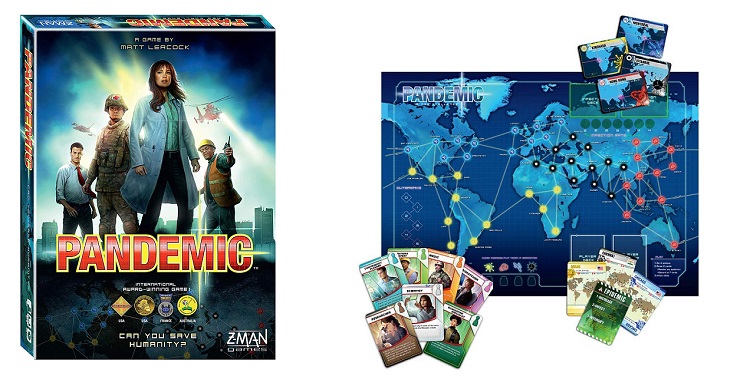
Pandemic is the game that defined the modern cooperative genre, and in 2026 it remains the single best starting point for anyone building a cooperative games library. You and up to three other players take on specialist roles — Medic, Scientist, Researcher, Operations Expert — each with asymmetric abilities that make genuine role division not just possible but necessary. Four diseases spread across a global map each round, and your team must research cures while managing outbreak chains that cascade with brutal efficiency if you let them get ahead of you. The tension is genuine: every card draw feels meaningful, every city placement decision carries consequences you'll feel three rounds later.
What makes Pandemic so durable is its elegant scalability and the completeness of its base game experience. At the Introductory difficulty level, groups new to cooperative gaming can learn the flow in roughly twenty minutes and complete a game in forty-five. At Heroic difficulty, experienced groups will find even well-coordinated teams on the edge of failure with satisfying frequency. The role cards introduce enough strategic asymmetry that replaying with different character combinations feels meaningfully different without adding learning overhead. The component quality is solid for the price point — the board is clear and functional, card stock holds up to repeated play, and the disease cubes are satisfying to handle.
The one limitation is the "alpha player problem" — if your group includes someone who naturally takes charge, Pandemic can become a game where one person quietly makes all the decisions while others follow along. This is a design characteristic of the genre rather than a flaw specific to Pandemic, but you should know it going in. Groups that actively commit to discussing moves rather than deferring to the most experienced player will get dramatically more from every session. If you're new to tabletop gaming generally, Pandemic is your entry point; everything else on this list builds on concepts it pioneered.
Pros:
- Genuinely accessible to non-gamers while remaining challenging for veterans
- Asymmetric roles create natural division of responsibility without confusion
- 45-minute runtime makes it viable on weeknights without a major time commitment
- Excellent value — substantial experience for a very reasonable price
Cons:
- Vulnerable to experienced players dominating decisions for less assertive teammates
- Base game can feel solved for veteran cooperative gamers after many plays
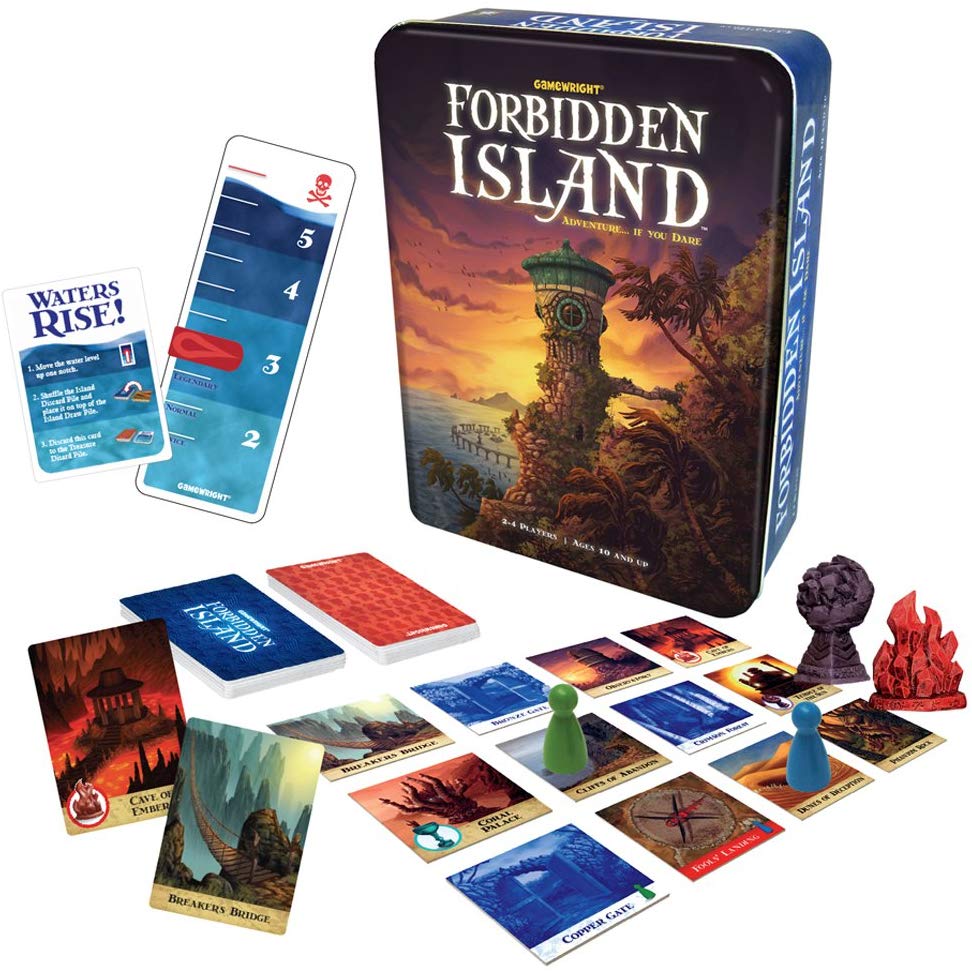
2. Gamewright Forbidden Island — Best Budget Cooperative Game
Forbidden Island is Matt Leacock's masterclass in accessible cooperative design, and it earns its place on this list by delivering a complete, genuinely tense experience at a price point well below most competitors. Your team of two to four adventurers races across a sinking island to collect four sacred treasures before the terrain tiles flood and sink beneath you. The sinking mechanism is what makes this game sing — tiles that flood once become vulnerable to sinking entirely, and each turn the island literally shrinks, cutting off paths and trapping players who don't anticipate the board state three moves ahead.
Where Forbidden Island earns real credit is in its ability to teach cooperative thinking to players who have never engaged with the genre before. The rules take about ten minutes to explain completely, and within two rounds every player understands how their actions connect to the group's survival. The island tiles create a different board configuration each game, so the spatial puzzle changes meaningfully on every play. Leacock designed this as a lighter companion to Pandemic, and it accomplishes exactly that — it's the right game for family game nights, for introducing teenagers or older adults to cooperative play, or for sessions when you want a satisfying thirty-minute experience without setup burden.
The component quality is a step below Pandemic's given the lower price point, and experienced cooperative gamers will find the difficulty ceiling lower than they want. You should also know that Forbidden Island's difficulty is modifiable by adjusting the starting flood level, which extends the game's useful life considerably. If your group loves this and wants to step up in complexity, Forbidden Desert is the natural sequel — it adds sand instead of water and features a more demanding rescue mechanic. But for most groups buying their first or second cooperative game, Forbidden Island delivers remarkable value and a genuinely complete experience.
Pros:
- Outstanding entry-level cooperative experience at a low price
- Teaches core cooperative mechanics in one play session
- Variable island setup provides meaningful replayability
- Adjustable difficulty accommodates different group skill levels
Cons:
- Experienced hobbyists will outgrow it quickly
- Component quality reflects the budget price point
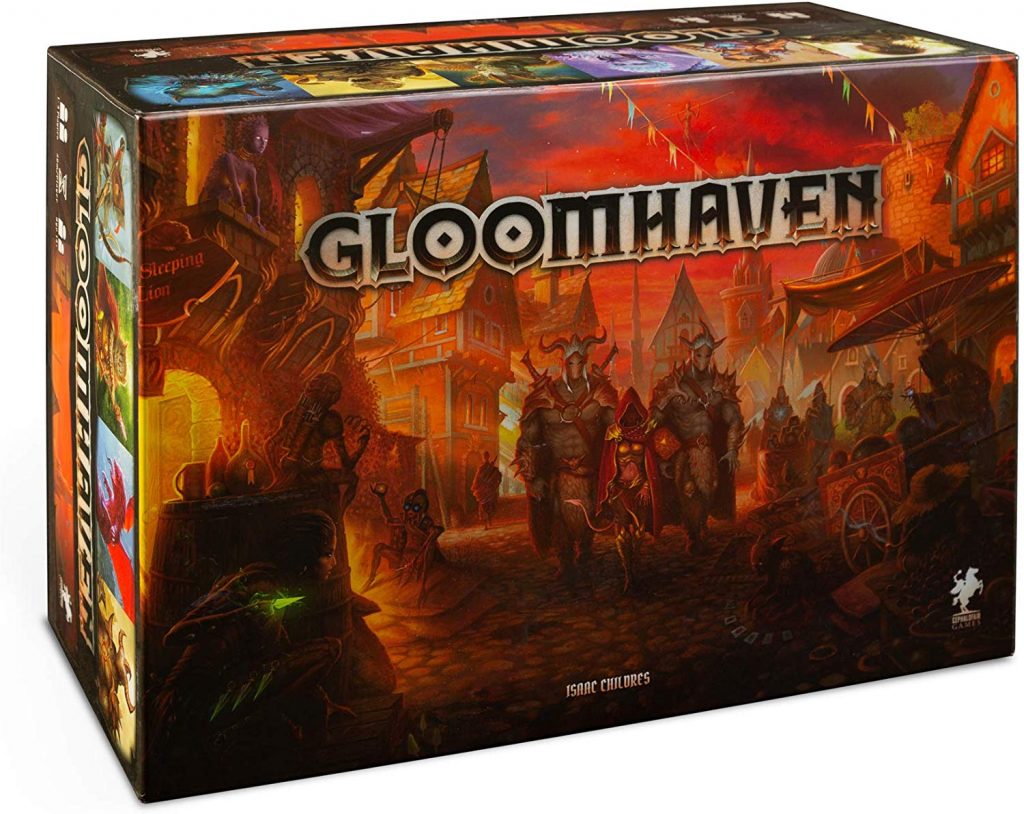
3. Cephalofair Games Gloomhaven 2nd Edition — Best for Hardcore Gamers
Gloomhaven is the most ambitious cooperative board game ever published in terms of scope and strategic depth, and the 2nd Edition refines what was already an award-winning experience into something even more polished and accessible. This is a dungeon-crawling legacy campaign game for one to four players that unfolds across dozens of interconnected scenarios, with your characters permanently evolving, retiring, and being replaced as the overarching story progresses. The card-based combat system is the design masterpiece at its core — rather than rolling dice, you execute two actions per turn from a hand of ability cards, choosing which initiative order to act in while simultaneously committing to a loss of cards that eventually exhausts your character. Every combat encounter is a resource management puzzle with no randomness to blame when things go wrong.
The 2nd Edition specifically improves monster AI clarity, streamlines several previously cumbersome rules, and updates component quality across the board. The sheer physical scope of this box — hundreds of cards, miniatures, map tiles, and a campaign book with ninety-five scenarios — justifies the premium price for groups who will actually commit to it. And commitment is the operative word: this is a game you play over weeks or months with a consistent group, building persistent character arcs and making decisions in one session that ripple into scenarios you won't play for another two weeks. If your gaming group has the discipline for that, Gloomhaven delivers an experience with no peer on the tabletop.
Be honest with yourself about your group's commitment level before purchasing. Gloomhaven requires consistent attendance from the same two to four players across many sessions, careful record-keeping between plays, and patience with a rules document that rewards investment rather than casual browsing. It is absolutely not designed for rotating groups or occasional play. But for dedicated tabletop enthusiasts who want a cooperative experience with genuine strategic depth, persistent consequence, and a campaign scope that rivals video game RPGs, the 2nd Edition is the definitive recommendation in 2026.
Pros:
- Unmatched strategic depth with a card-driven combat system that eliminates dice luck
- 95-scenario campaign delivers an RPG-scale experience on the tabletop
- 2nd Edition improvements address the original's roughest edges
- Works as a solo game as well as a full four-player campaign
Cons:
- Requires significant time investment and consistent group membership
- Setup and teardown time per session is substantial
- Premium price point reflects the massive component count
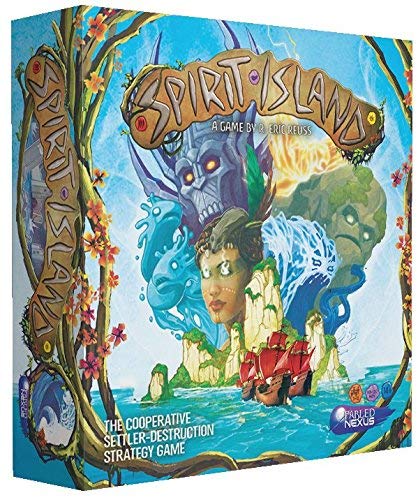
4. Greater Than Games Spirit Island — Best Thematic Depth
Spirit Island inverts the colonial-era adventure trope that saturates tabletop gaming by casting you and your teammates as the indigenous spirits of an island defending against invading colonizers. This conceptual inversion is not just thematically refreshing — it produces a mechanically distinct cooperative experience where you are reacting to a deterministic, escalating threat engine rather than competing against randomized opposition. Each Spirit is radically different from the others in playstyle, ranging from Lightning's Swift Strife, which prioritizes fast, precise strike actions, to Vital Strength of the Earth, a slow-building powerhouse that rewards patient, long-term board control. With multiple Spirits in play, the game demands genuine synergy between players' unique power sets rather than parallel solo actions that happen to share a table.
The invader engine — the mechanism driving colonizer expansion — is elegant and legible, so you always understand what's coming and can plan meaningfully against it. This is a design choice that separates Spirit Island from games where randomness obscures the cause-and-effect relationship between your decisions and outcomes. You will lose games in Spirit Island because you made poor strategic choices, not because the deck punished you unfairly. For players who find dice-driven uncertainty frustrating, this deterministic threat engine is a substantial selling point. The game also includes a full solo ruleset that functions beautifully, which makes it one of the strongest crossover picks between group cooperative and solo play.
Spirit Island is genuinely complex, and you should commit an entire first session to learning the rules rather than playing optimally. The rulebook is well-organized but substantial, and several Spirits have non-intuitive power progressions that only become clear after multiple plays. The base game includes eight Spirits, which is enough variety to sustain dozens of sessions, and the game's modular difficulty system — incorporating Adversary boards that represent different colonial powers with distinct mechanics — means the challenge curve extends well beyond where most cooperative games plateau. For groups that want a cooperative experience with genuine intellectual weight and thematic resonance, Spirit Island is an essential purchase.
Pros:
- Radically asymmetric Spirits create deep synergy-based strategy
- Deterministic threat engine makes every loss feel instructive rather than unfair
- Modular adversary system extends the difficulty ceiling significantly
- Excellent solo ruleset makes it a genuine crossover pick
Cons:
- Significant rules complexity demands an investment session before enjoying it fully
- 90-plus minute runtime is a commitment for casual groups
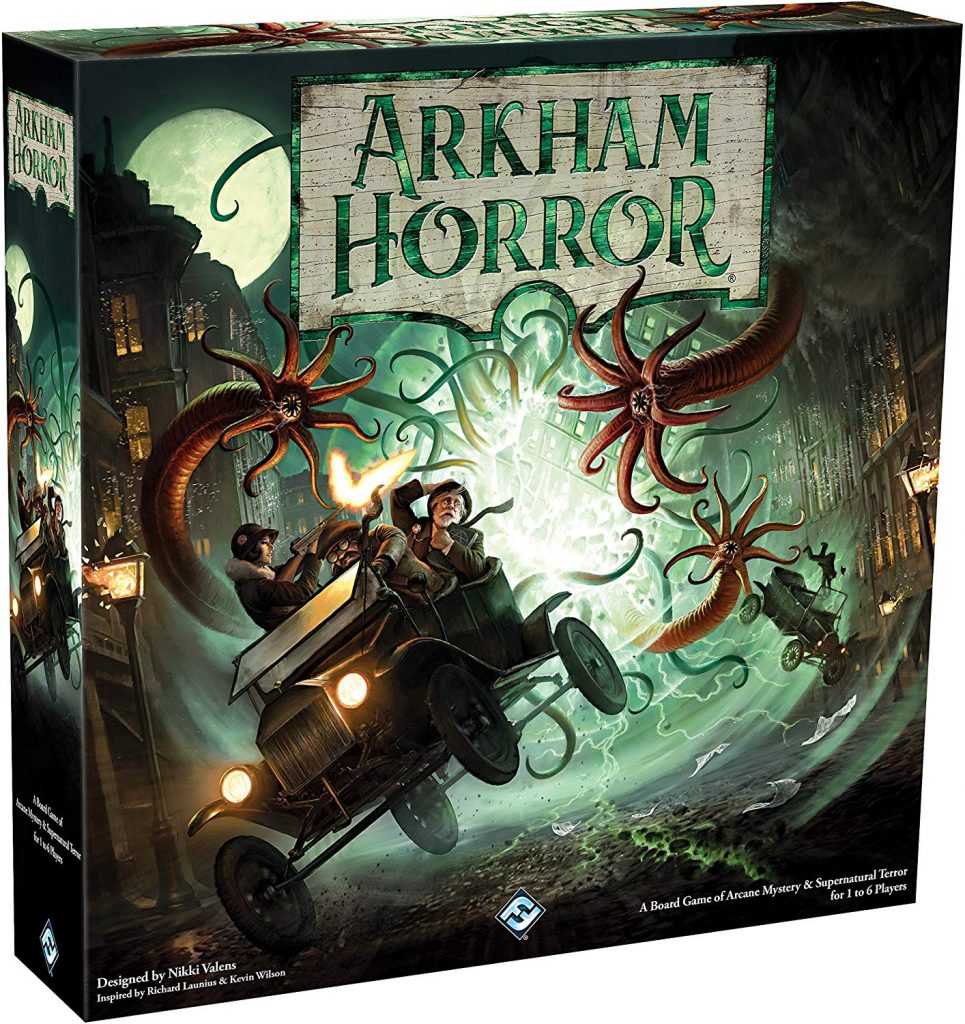
5. Asmodee Eldritch Horror — Best for Large Groups
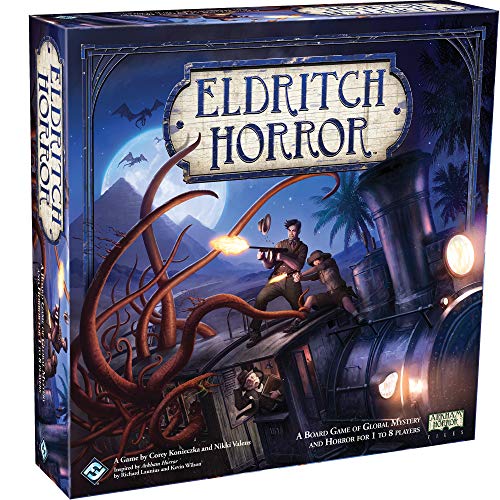
Eldritch Horror scales to eight players without losing its core tension — a rarity in cooperative gaming that makes it the essential choice for larger gatherings where most games cap out at four. Set in the Lovecraftian 1920s, you and your investigator team travel across a world map, gathering clues, closing dimensional gates, and racing to prevent an Ancient One from completing its awakening ritual before you can assemble the knowledge needed to stop it. Each Ancient One provides a completely different win and loss condition, so the strategic demands shift substantially from game to game depending on which eldritch entity your group faces. The variety of investigator characters — each with distinct stat distributions, special abilities, and personal story cards — means role differentiation feels organic rather than forced.
The narrative texture of Eldritch Horror separates it from more mechanically pure cooperative games. Encounter cards deliver story moments as you move through various world locations — some offer resources, others drain your sanity, and some branch into multi-session plotlines. The game walks a line between strategic board management and atmospheric storytelling that groups genuinely invested in the Lovecraftian aesthetic will find deeply satisfying. The world map as a playing surface is also visually impressive and helps larger groups orient themselves spatially in ways that smaller card-tableau games cannot replicate.
Eldritch Horror asks for two to four hours of focused play, which is a substantial time investment that your group needs to acknowledge before sitting down. The rules are also complex enough that you'll want a designated teacher who has read the rulebook in advance — attempting to learn this one from the manual mid-session with eight players leads to a frustrating evening. But for groups that commit to it properly, Eldritch Horror delivers a genuinely epic, story-rich cooperative experience that no other widely available title can match at its player count. The base game works well standalone, and the extensive expansion line provides years of additional content if your group falls in love with it.
Pros:
- Supports up to eight players without mechanical compromise
- Varied Ancient Ones provide dramatically different strategic challenges per game
- Rich narrative texture through encounter cards creates genuine story moments
- Substantial expansion line extends the experience for devoted groups
Cons:
- Two-to-four hour runtime requires deliberate scheduling rather than spontaneous play
- Rules complexity demands a prepared teacher for smooth first sessions
6. The Crew: Mission Deep Sea — Best Compact Cooperative Card Game
The Crew: Mission Deep Sea takes a traditional trick-taking card game structure — think Hearts or Spades — and layers a cooperative mission system on top of it that produces something genuinely unlike anything else in the genre. Your team of two to five players must collectively win specific tricks in specific orders without communicating freely about your hand. The communication restrictions are the heart of the design: you may share one limited piece of information per round via a designated token system, which means coordinating the card play necessary to complete each mission demands careful inference, reading your teammates' plays, and precise timing of your single communication opportunity. It sounds simple. It is not.
The Deep Sea edition follows the original Crew's award-winning formula while introducing thirty-two new mission scenarios featuring an underwater narrative and several new gameplay twists that keep even experienced players of the original engaged. At its best player count of three or four, the game produces a specific kind of cooperative tension that larger-board games cannot replicate — the silence between plays, the satisfaction of executing a perfectly timed trick win without explicit coordination, and the minor tragedy of realizing two players duplicated efforts on the same trick. Sessions run twenty to forty minutes, making this the strongest option on this list for play groups that want meaningful cooperative decisions without a major time commitment.
The Crew works brilliantly as a travel game and a bar game — it fits in a jacket pocket and needs only a flat surface to play. It also scales its challenge through thirty-two distinct mission levels, progressing from tutorials that teach the mechanic to expert scenarios that demand near-perfect coordination. The component quality is appropriate for the price, and the card stock handles repeated shuffling without complaint. If your group includes players who feel intimidated by the box sizes and setup times of games like Gloomhaven or Spirit Island, The Crew is the perfect gateway into cooperative gaming at a serious difficulty level.
Pros:
- 32 escalating mission levels provide months of progressive challenge
- Compact format plays anywhere without setup overhead
- Unique communication restriction creates cooperative tension unavailable in larger games
- Works excellently at two through five players with no scaling issues
Cons:
- Requires familiarity with trick-taking mechanics, which some players lack
- Linear mission structure means replaying earlier levels loses appeal quickly
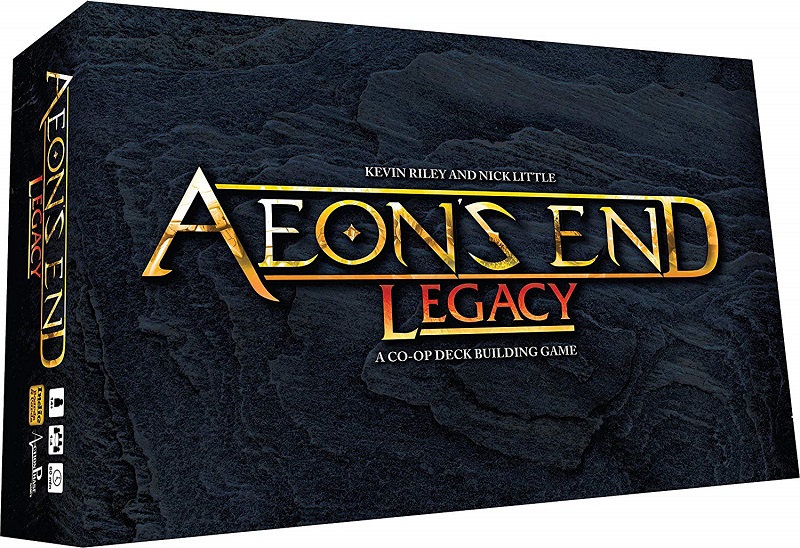
7. Asmodee Mysterium — Best for Mixed Experience Groups
Mysterium solves one of cooperative gaming's most persistent challenges: how do you design a game where a wide range of experience levels can participate meaningfully without experienced players carrying less experienced ones? The answer here is asymmetric roles — one player takes the role of a silent ghost who can only communicate through abstract dreamlike vision cards, while the remaining players act as psychic investigators interpreting those visions to identify a suspect, location, and weapon combination. The ghost's role requires creative, lateral thinking rather than strategic optimization, which means the most experienced gamer at the table isn't automatically the best ghost — often it's the opposite. This asymmetry is what makes Mysterium work across such a broad player range.
The vision cards are the centerpiece of the design and the source of the game's most memorable moments. The ghost draws from an enormous hand of surrealist illustrated cards and must select ones that associate — through color, object, mood, or abstract visual metaphor — with the target location, suspect, or weapon a particular investigator needs to identify. Watching a group of players debate whether a card showing a crow perched on a violin connects more meaningfully to the conservatory or the garden creates exactly the kind of social engagement that makes board gaming worthwhile. The artwork is genuinely striking, and the component quality across the board is above average for the price point.
Mysterium supports two to seven players and plays in about forty-five minutes, making it one of the most flexible titles on this list in terms of group size and session length. The deduction-meets-communication design overlaps somewhat with Dixit for fans of that game, but adds a cooperative win condition and a more structured scoring system that gives each session a clearer narrative arc. The game is appropriate for ages ten and up, which makes it one of the few titles on this list that works genuinely well when the group includes younger players or complete newcomers to board gaming. If you regularly host mixed-experience game nights, Mysterium belongs in your collection in 2026.
Pros:
- Asymmetric ghost role neutralizes experience-level imbalances effectively
- Scales from two to seven players without mechanical degradation
- Stunning surrealist artwork creates atmosphere and drives the deduction mechanic
- Accessible to younger players and total newcomers without dumbing down
Cons:
- Ghost role can feel frustrating if your group struggles with abstract visual reasoning
- Replay value depends heavily on the ghost rotating to keep the experience fresh
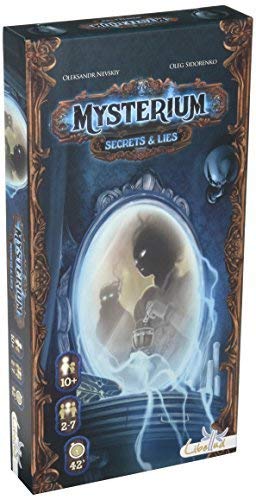
More Great Cooperative Games Worth Exploring
The seven picks above cover the essential bases, but the cooperative genre in 2026 is rich enough that a single list cannot capture every worthy title. The games below represent strong options in specific niches — whether you're looking for something with miniatures, deck-building mechanics, or a particularly brutal difficulty curve.
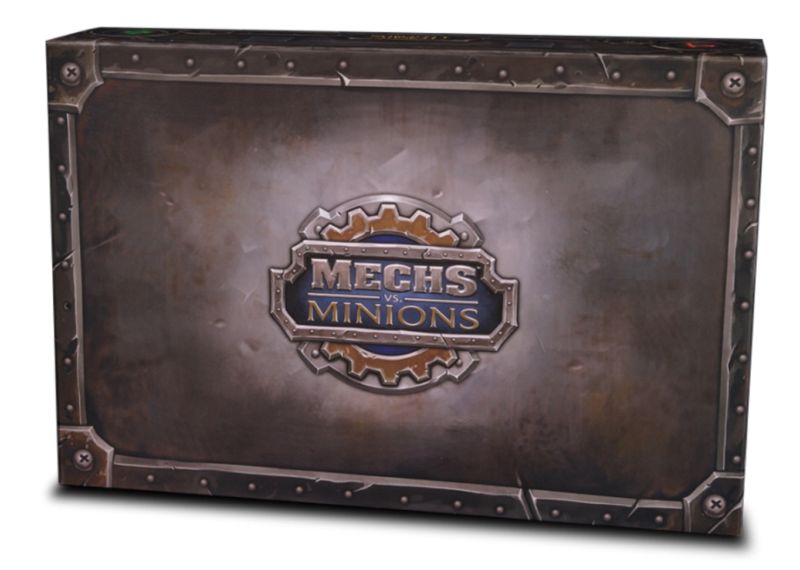
Mechs vs Minions is a League of Legends-licensed cooperative programming game where players issue command sequences to piloting mechs, then watch the results play out with frequently chaotic consequences. The component quality is extraordinary, the miniatures are among the best in board gaming, and the mission structure provides a complete campaign with escalating narrative stakes. If your group enjoys the programming mechanic and wants a visually impressive box to anchor a game night, this delivers.
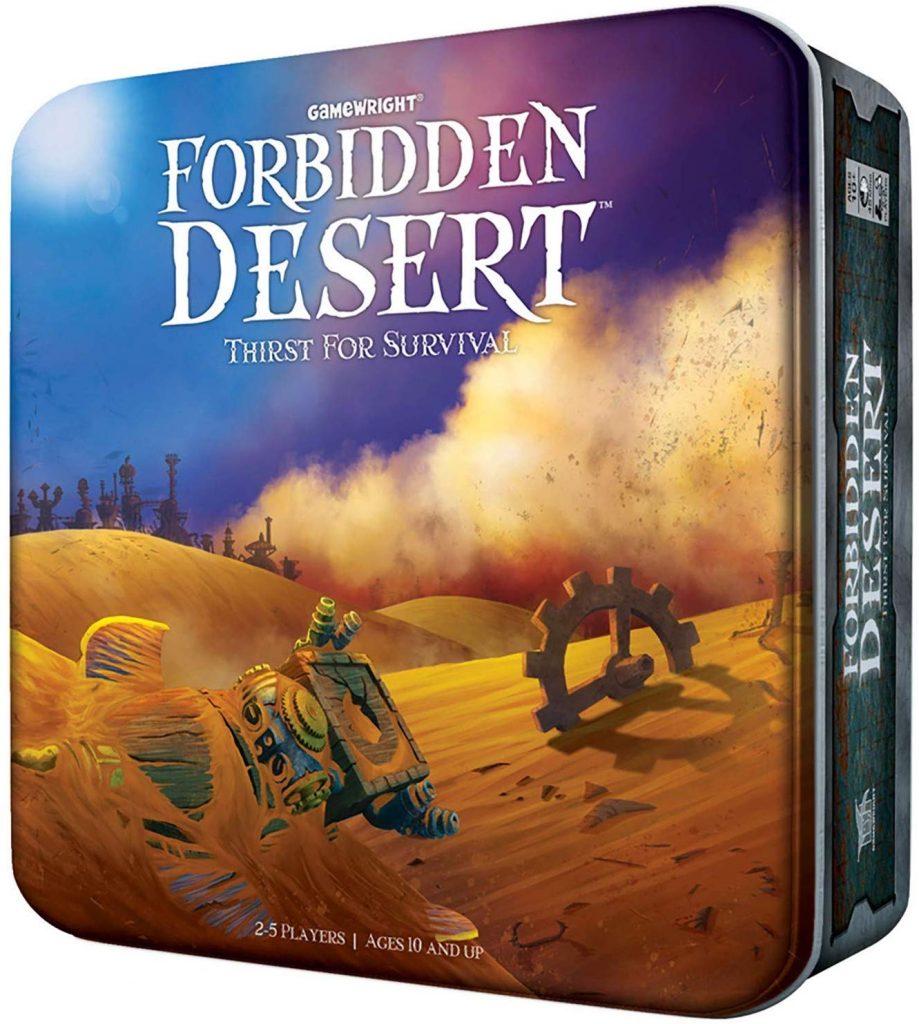
Forbidden Desert is the direct sequel to Forbidden Island, featuring a more complex survival puzzle where your team excavates a buried city while managing sand accumulation and an escalating sun meter. It's notably more demanding than Forbidden Island and sits comfortably between that entry-level title and the heavier games on this list. Groups that loved Forbidden Island and want the next step up should go here before attempting Spirit Island or Gloomhaven.
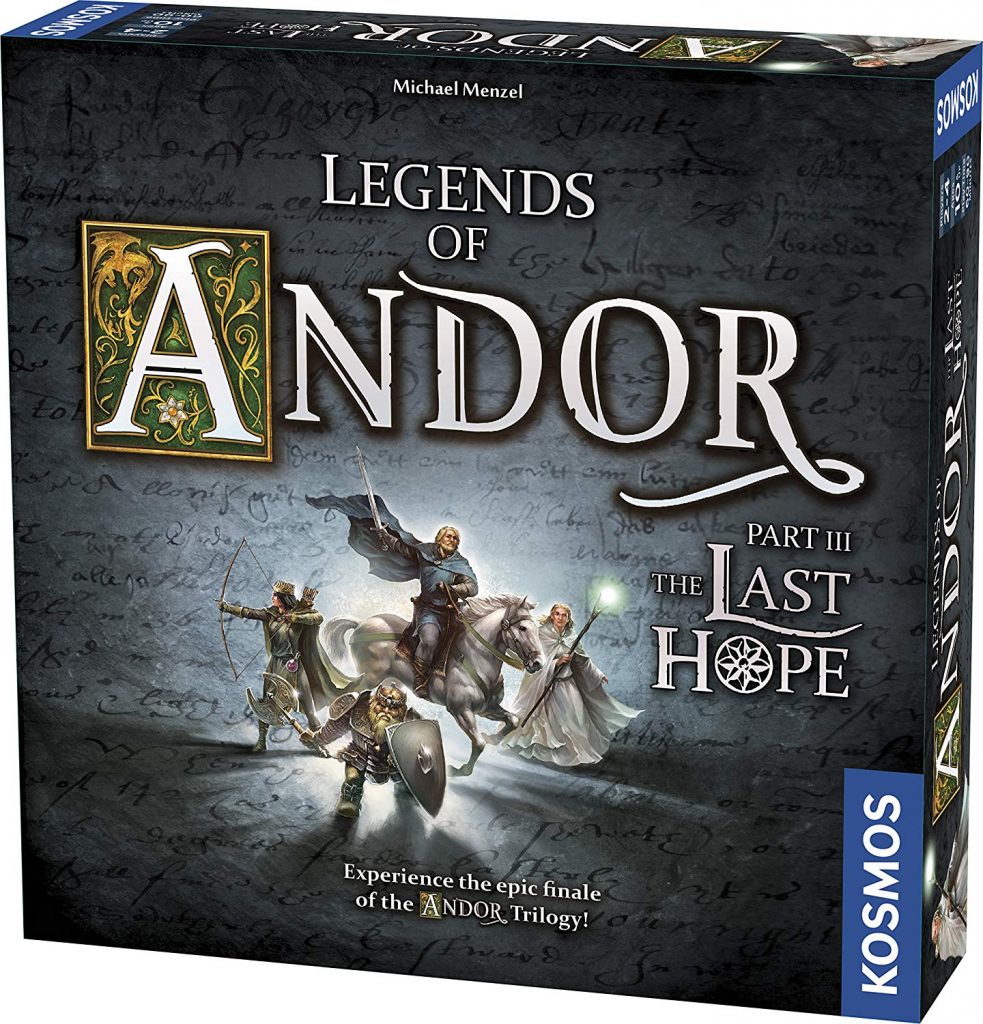
Legends of Andor brings a fantasy RPG aesthetic to cooperative gaming with a storytelling structure across five distinct legend campaigns. Players manage heroes across a map of the kingdom Andor, balancing monster defense with completing legend objectives that advance the narrative. The game's willingness to punish players who optimize solely for combat — leaving legend objectives incomplete — creates an interesting tension that distinguishes it from pure dungeon-crawl designs.
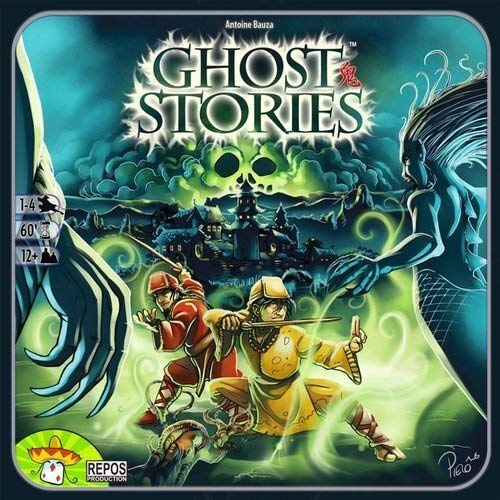
Ghost Stories is a notoriously brutal cooperative experience that places your team of Taoist monks against waves of supernatural enemies threatening a village. The difficulty is genuinely punishing even on the standard setting, and the game demands close coordination and careful resource management from every player. It's not the right starting point, but for groups that have mastered Pandemic and want a cooperative game that will genuinely humble them, Ghost Stories delivers that experience with consistency. Pair it with the deductive investigation experience of Sherlock Holmes: Consulting Detective for game nights that span both the strategic and deductive sides of cooperative play — Sherlock Holmes presents you with complete case files and sends your team to reconstruct the solution from newspaper archives and location visits, with no board combat whatsoever.

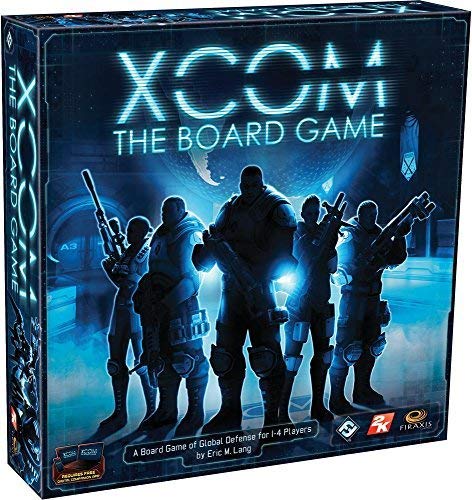
XCOM: The Board Game is one of the few titles that successfully integrates a companion app as a required game component rather than an optional enhancement. The app manages the alien invasion timeline in real time, forcing your team to make simultaneous timed decisions rather than deliberating at leisure. This creates a specific kind of cooperative pressure that purely analog designs cannot replicate, though it also means the game's long-term availability depends on app maintenance.
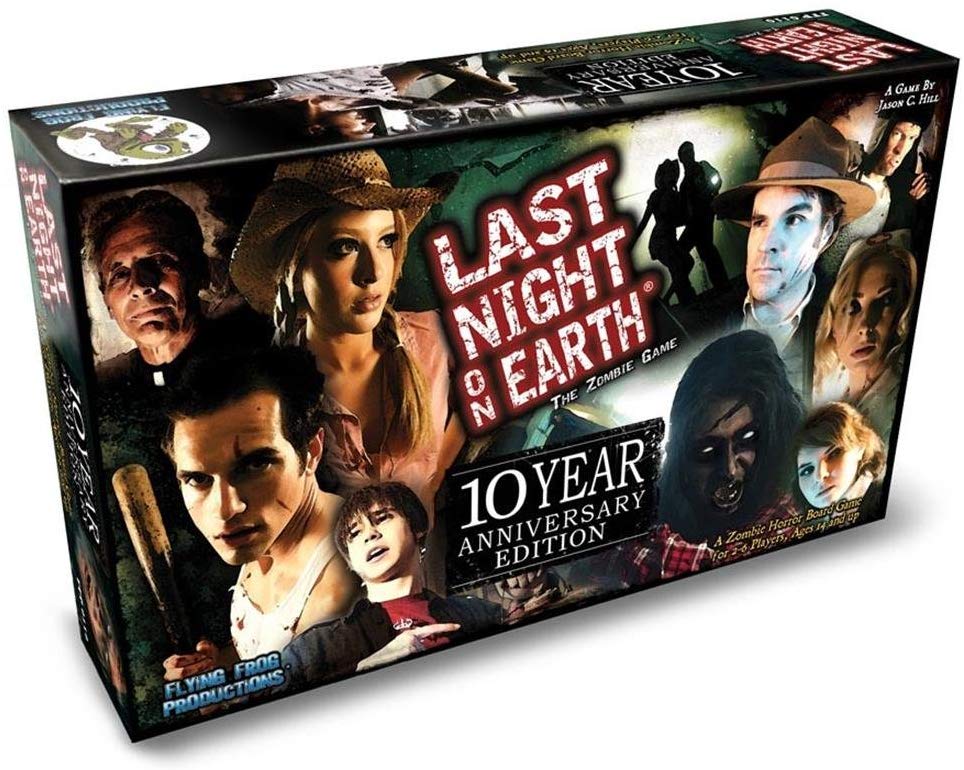
Last Night on Earth occupies a unique niche as an asymmetric cooperative-vs-competitive hybrid where one or two players control zombies and the remainder play human survivors racing to complete scenario objectives. The B-movie horror aesthetic is deliberate and charming, the scenario variety keeps the experience fresh across many plays, and the soundtrack CD — yes, an actual CD — adds an atmospheric layer that more earnest designs would never attempt.
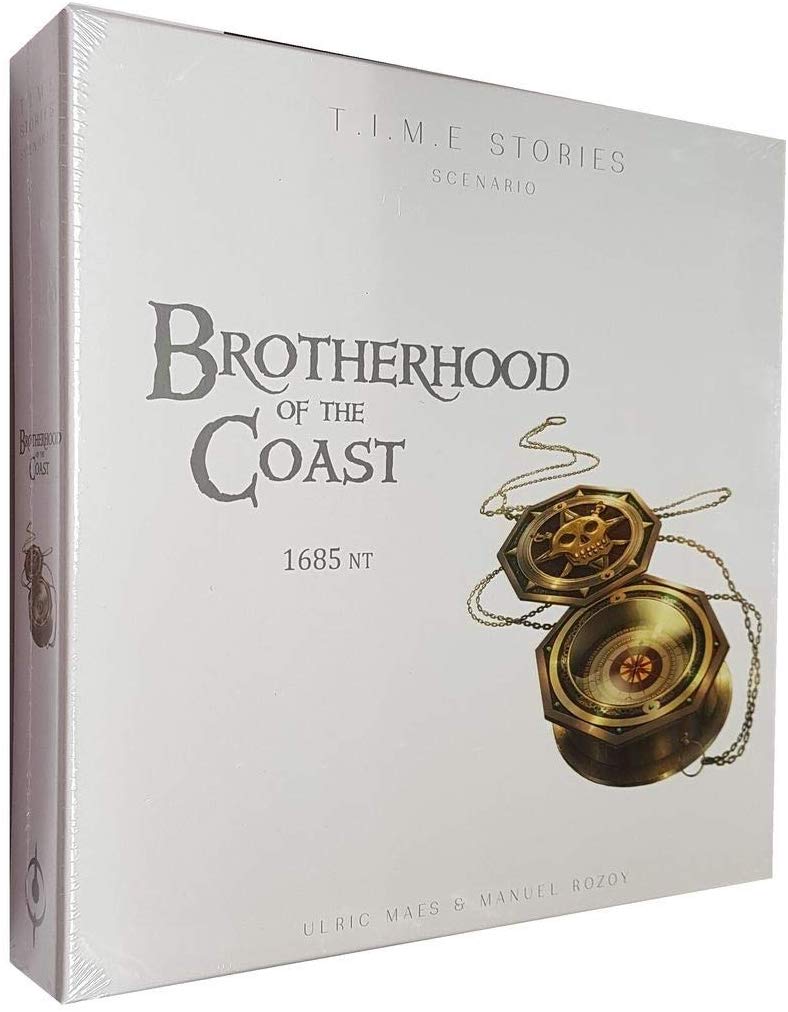
T.I.M.E. Stories is a narrative puzzle game disguised as a cooperative adventure, where your team of time agents must solve a scenario across multiple "runs" — each attempt teaching you more about the world and its hidden solution until you piece together the complete picture. It plays like a living choose-your-own-adventure book, and the variety of setting expansions means your group can move from an asylum horror scenario to a pirate adventure without changing the core rules.
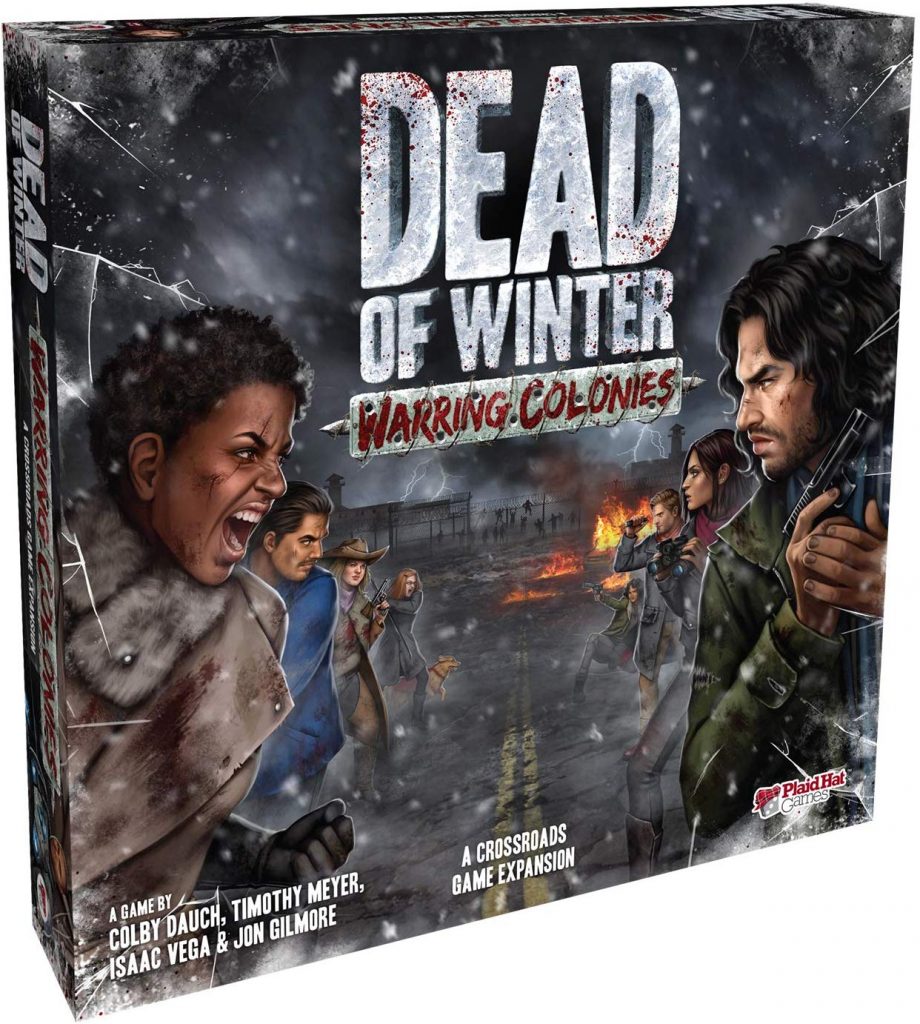
Dead of Winter: Warring Colonies introduces a semi-cooperative structure that creates genuine table tension — each player has a secret personal objective that may align with or conflict with the group's survival goal. This semi-cooperative betrayal mechanic makes every session a game within the game as you try to identify which player, if any, is working against the colony. It's a fundamentally different experience from pure cooperative games and suits groups that want social deduction layered over their survival challenge.
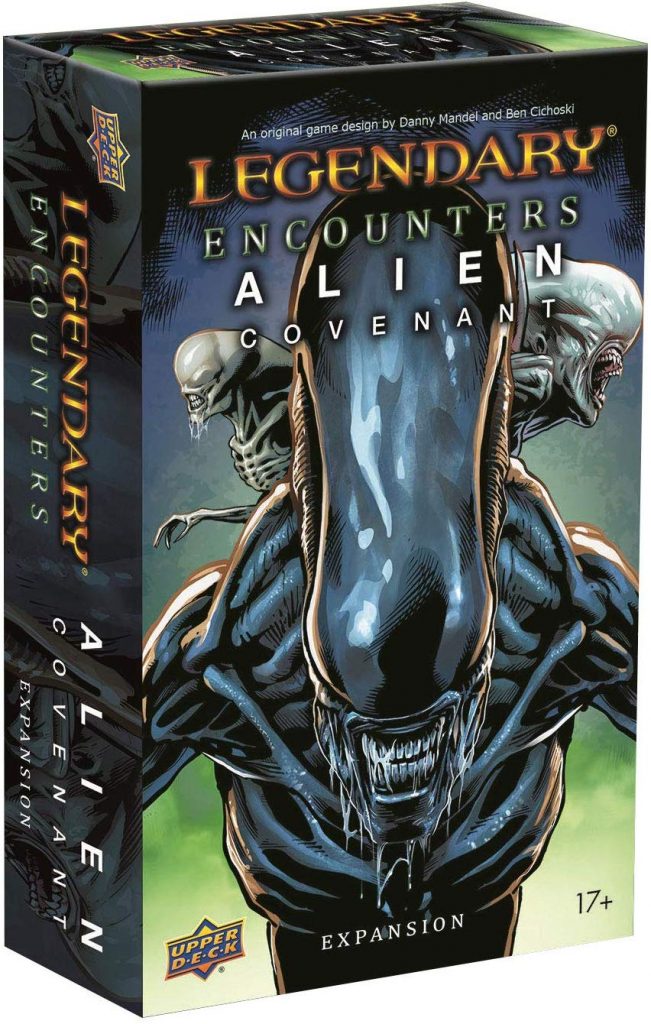
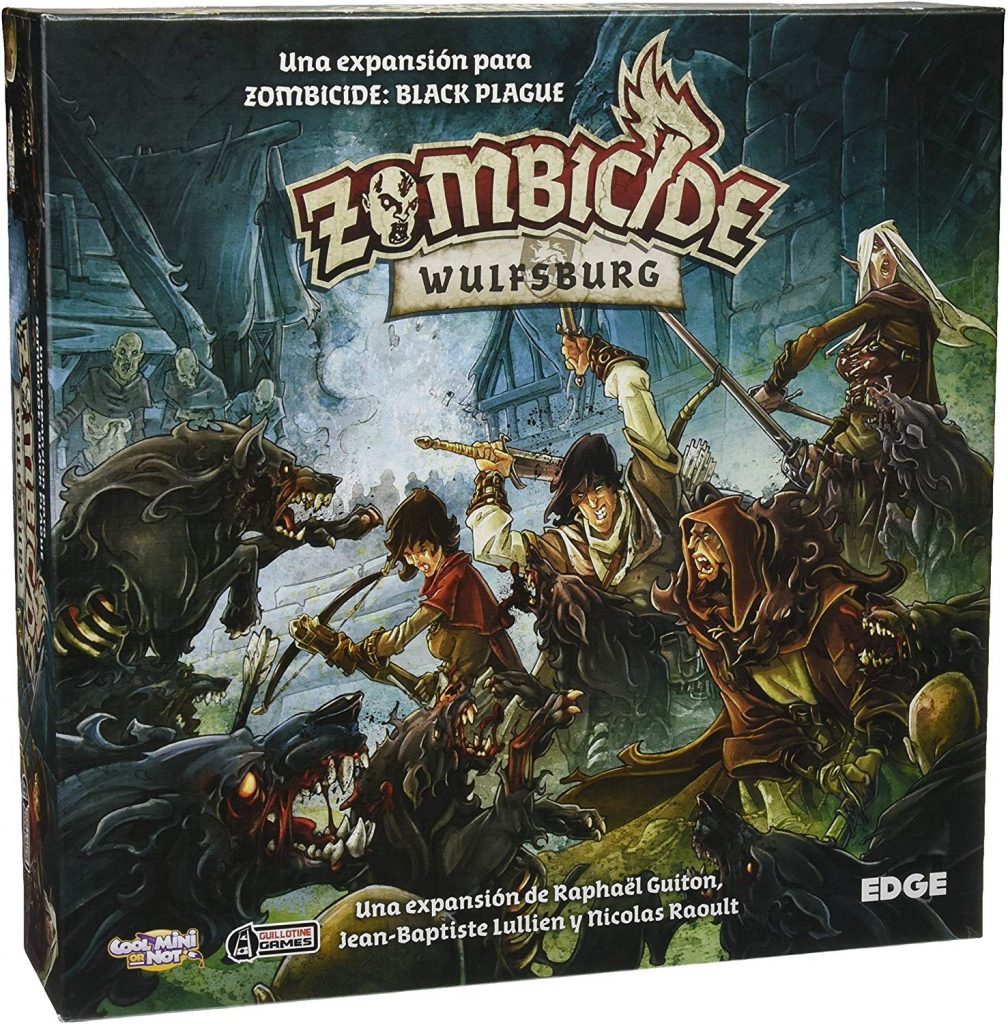
For deck-building enthusiasts, Legendary Encounters: An Alien Deck Building Game and Zombicide: Black Plague offer two distinct approaches to genre fusion. Legendary Encounters layers the cooperative deck-building mechanic over the iconic Alien film series, with each scenario recreating a specific movie's narrative arc through card reveals and escalating threat. Zombicide: Black Plague translates the zombie survival formula into a fantasy medieval setting with satisfying miniature-driven combat, making it a strong choice for groups drawn to miniature aesthetics without the price commitment of a full miniature wargame.
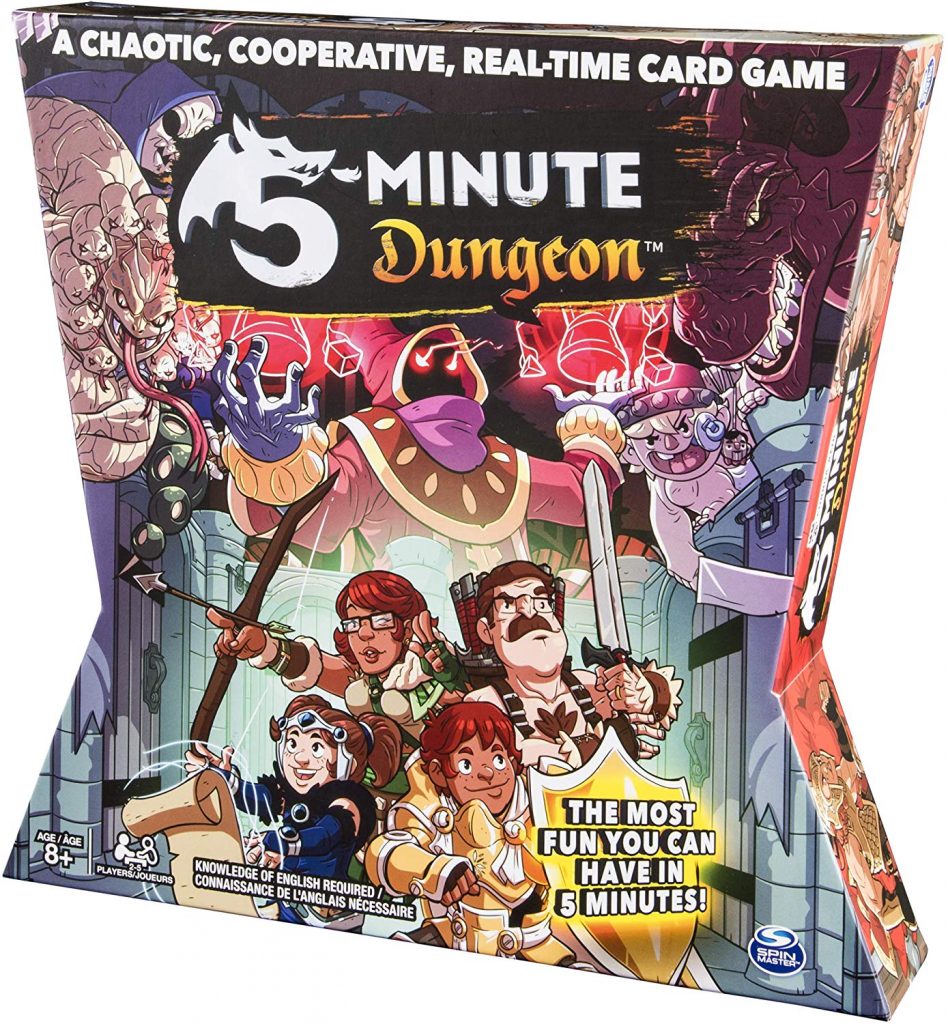
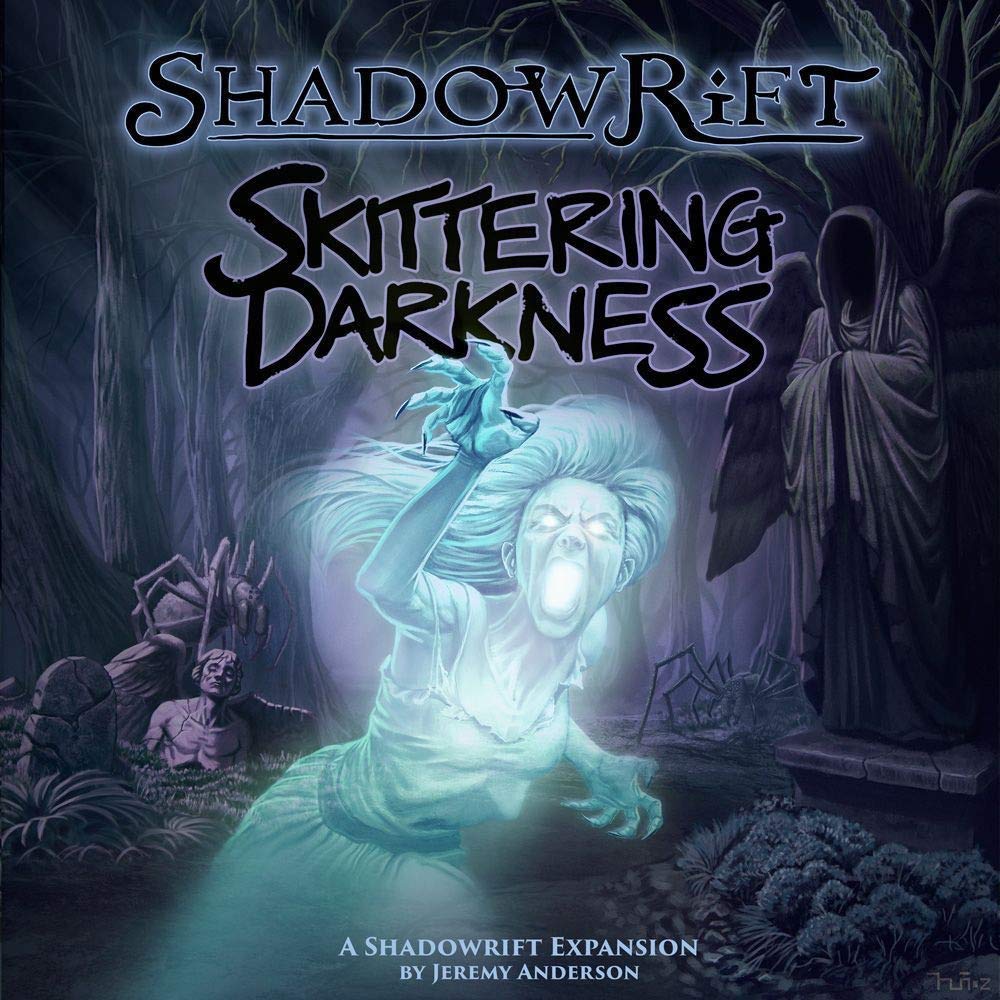
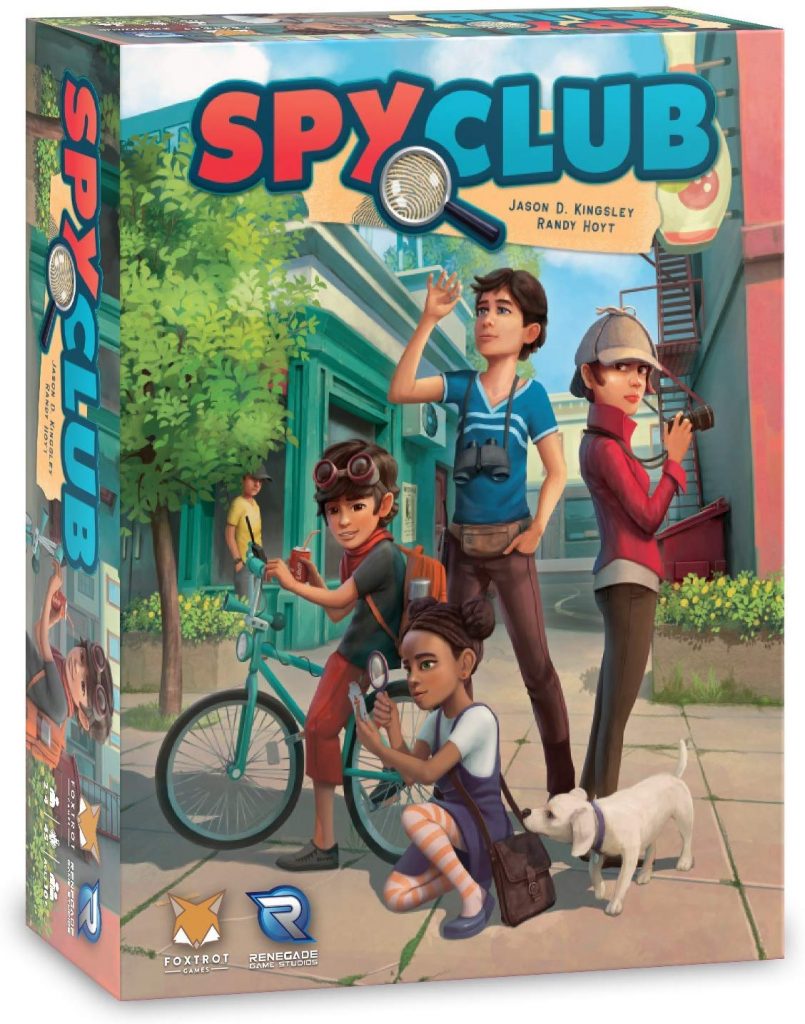
At the lighter end of the spectrum, 5 Minute Dungeon is a real-time cooperative card game where your entire team simultaneously plays cards against dungeon obstacles, racing against a literal five-minute timer. It's loud, chaotic, and genuinely fun in ways more earnest designs aren't, and it works across a broad age range. Shadowrift: Skittering Darkness takes the deck-building cooperative format in a harder, more strategic direction, while Spy Club delivers a complete deduction campaign designed specifically for families with younger children, featuring a mystery that spans five connected sessions.
Buying Guide: How to Choose the Best Cooperative Board Game
Match Complexity to Your Group's Experience Level
The single most important purchase decision in cooperative gaming is matching the game's rules weight to your group's actual experience, not the experience of the most knowledgeable player at the table. If one player knows the rules deeply but three others are learning, you need a game that newcomers can engage with fully within their first session — not one where they spend the evening following instructions from the expert. Forbidden Island and Pandemic both work at the entry level because the rules are genuinely learnable in a single sitting. Spirit Island and Gloomhaven require multiple sessions before the strategic depth becomes accessible, which is fine for groups of dedicated enthusiasts but a poor choice for casual game nights. Be honest about your group's weakest player, not your strongest — that's the experience level your purchase decision should serve.
Consider Session Length Before Committing
Cooperative games span an enormous range of session times, from The Crew's twenty-minute missions to Eldritch Horror's four-hour epic sessions, and choosing the wrong length for your group's context creates frustration regardless of how good the game is. If your game nights are weeknight affairs where people need to be home by ten, a game that reliably ends in forty-five to sixty minutes — Pandemic, Mysterium, Forbidden Island — fits better than something that "can take two to four hours depending on how well your team coordinates." Campaign games like Gloomhaven require scheduling commitment that works for some groups and completely fails others. Think realistically about when and how your group gathers before committing to a box that demands three-hour sessions.
Evaluate Player Count Flexibility
Most cooperative games list a maximum player count, but the experience at two players is often dramatically different from the experience at four or six. Pandemic and Spirit Island both play excellently across their entire listed range, while some games feel thin at two and crowded at five. If your game night group has a variable headcount — sometimes two people, sometimes six — prioritize games that explicitly design for a range and receive positive feedback at both ends. The Crew excels at two through five, Mysterium handles seven, and Eldritch Horror is the rare cooperative game that doesn't lose coherence at eight. Check current reviews specifically mentioning your most common player counts before finalizing a purchase.
Assess Replayability Against Your Investment
Cooperative games vary dramatically in how much replay value they provide relative to their price. Pandemic and Spirit Island offer hundreds of hours of variable-setup play from a single core box, while narrative games like T.I.M.E. Stories and Sherlock Holmes: Consulting Detective provide fixed scenarios that are effectively single-use once solved — you'll know the answers on a second play. Campaign games like Gloomhaven deliver enormous content per dollar for groups that complete them, but become poor investments if abandoned halfway through. Match the game's replay structure to your group's habits: variety-seekers need games with modular setups, story enthusiasts can justify narrative single-use experiences, and campaign players need to be certain they'll actually finish what they start. For players who also enjoy gaming alone, our guide to the best card shufflers covers useful accessories for solo card-heavy games.
Questions Answered
What is the best cooperative board game for beginners in 2026?
Pandemic is the definitive starting point for cooperative board gaming in 2026. It teaches the core cooperative mechanic — asymmetric roles, shared resource management, collective win and loss conditions — in a clean, accessible format that most groups grasp within their first session. Forbidden Island is an excellent alternative if you want something shorter and less expensive, and it works particularly well with younger players or groups entirely new to modern board games.
Can cooperative board games be played with just two players?
Yes, and many of the best cooperative games work exceptionally well with two players. Pandemic, Spirit Island, The Crew: Mission Deep Sea, and Forbidden Island all handle two players without requiring dummy hand or substitute mechanics. The Crew is particularly strong at two, with the communication restriction creating an intensely focused puzzle experience that some players prefer to the larger group version. Check each game's specific two-player rules, since some use modified setups at minimum player count.
How do you prevent one player from dominating cooperative games?
This is the "alpha player problem," and the best solution is a group-level commitment to deliberation rather than a design fix. Before each player's turn, require that they verbally describe their planned action and invite one response from other players before acting — not a full group debate, just a quick check. Games with strong communication restrictions like The Crew make this a non-issue by design. Spirit Island naturally resists it because each player's Spirit has a distinct power set that other players aren't equally equipped to evaluate. Mysterium's ghost role is another natural alpha-player countermeasure, since strategic gaming experience provides no advantage in abstract visual interpretation.
Are cooperative board games good for families with kids?
Cooperative games are an excellent choice for mixed-age family play because the collaborative format removes the competitive pressure that makes younger players disengage or become upset when losing. Forbidden Island works well from age ten and up, Mysterium is accessible from age ten as well, and Pandemic suits ages eight and above according to its official rating. The key consideration for family play is rules complexity — choose games where adults can teach the complete rules in a single explanation session rather than games that require ongoing rules lookups during play.
What is the difference between cooperative and semi-cooperative board games?
A fully cooperative game has every player working toward a shared win condition — either everyone wins or everyone loses together. A semi-cooperative game, like Dead of Winter, adds hidden personal objectives that may conflict with the group goal, meaning one player might secretly be sabotaging the collective effort. Semi-cooperative games introduce a social deduction layer that pure cooperative games lack, which creates different table dynamics — more suspicion, more player-versus-player tension — that some groups love and others find undermines the spirit of working together. If you want pure teamwork without the possibility of a traitor at the table, stick to fully cooperative designs.
Which cooperative board game offers the most replay value?
Spirit Island and Gloomhaven 2nd Edition offer the most replay value among the games reviewed here, but for different reasons. Spirit Island's combination of eight asymmetric Spirits, modular Adversary boards, and scenario variety means each game combination produces a meaningfully different strategic challenge, and experienced players continue finding new depths after dozens of sessions. Gloomhaven's value comes from sheer content volume — ninety-five scenarios with persistent character development create a campaign with more material than most cooperative games can offer across their entire product lines. For groups that want both, these two titles together represent the apex of cooperative gaming depth available in 2026.
Buy on Walmart
- Asmodee Pandemic Board Game (Base Game) - A Cooperative Batt — Walmart Link
- Gamewright - Forbidden Island - Cooperative Strategy Surviva — Walmart Link
- Cephalofair Games: Gloomhaven 2nd Edition, Award-Winning Coo — Walmart Link
- Greater Than Games | Spirit Island: Base Game | Cooperative — Walmart Link
- Asmodee Eldritch Horror Board Game - A World-Spanning Cooper — Walmart Link
- The Crew - Mission Deep Sea | Card Game | Cooperative | 2 to — Walmart Link
- Asmodee Mysterium Board Game - Enigmatic Cooperative Mystery — Walmart Link
Buy on eBay
- Asmodee Pandemic Board Game (Base Game) - A Cooperative Batt — eBay Link
- Gamewright - Forbidden Island - Cooperative Strategy Surviva — eBay Link
- Cephalofair Games: Gloomhaven 2nd Edition, Award-Winning Coo — eBay Link
- Greater Than Games | Spirit Island: Base Game | Cooperative — eBay Link
- Asmodee Eldritch Horror Board Game - A World-Spanning Cooper — eBay Link
- The Crew - Mission Deep Sea | Card Game | Cooperative | 2 to — eBay Link
- Asmodee Mysterium Board Game - Enigmatic Cooperative Mystery — eBay Link
Next Steps
- Check current prices for your shortlisted titles on Amazon — cooperative game pricing fluctuates regularly, and several of these titles go on sale during seasonal promotions.
- Read recent buyer reviews filtered to verified purchases from the past six months, focusing specifically on comments about your intended player count and experience level.
- Watch a ten-minute "how to play" video for any game you're seriously considering — seeing the game in motion clarifies whether your group's dynamic suits the communication style it requires.
- If you're choosing between Pandemic and Forbidden Island as a first purchase, start with Forbidden Island for the lower price point and use the savings toward a second game once your group confirms they enjoy the cooperative format.
- Before committing to Gloomhaven, honestly assess whether your core group of three or four players can commit to regular sessions over several months — if there's real doubt, start with Spirit Island's self-contained base game instead.


About Mike Jones
Mike Jones grew up in the golden age of arcade and home gaming — a childhood shaped by Atari classics like Pitfall, Frogger, and Kaboom that gave him a lifelong appreciation for games of all kinds. These days he covers the full breadth of tabletop and family gaming: board games, card games, yard games, table games, and game room setup, with a particular focus on finding the games that bring different groups together. At GamingWeekender, he covers game reviews, buying guides, and recommendations for families, friends, and hobbyists who take their leisure seriously.
You can get FREE Gifts. Or latest Free phones here.
Disable Ad block to reveal all the info. Once done, hit a button below