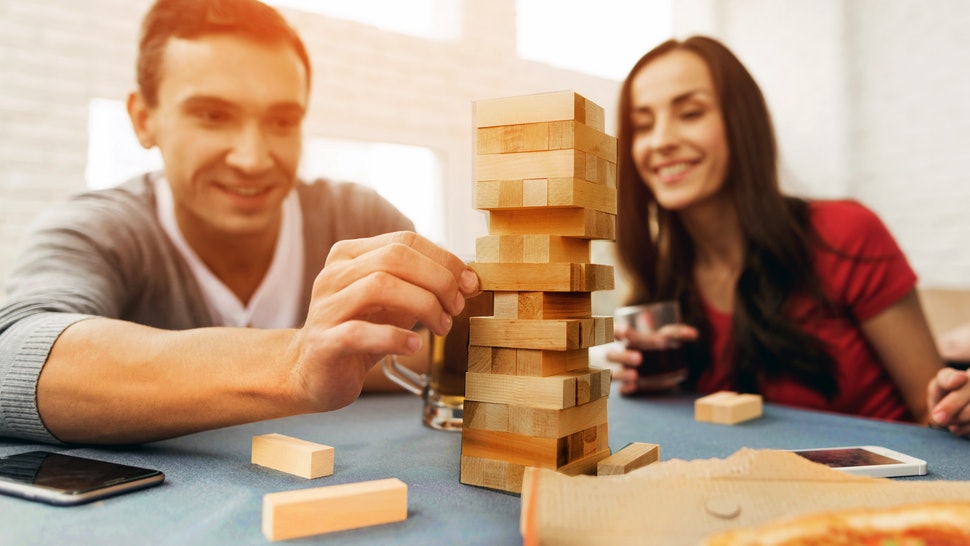
What's the best 2 player board game you can actually buy right now, and does it hold up after dozens of plays? If you've ever pulled out Monopoly for a two-person game night and felt that hollow, dragging experience, you already know the problem — most games aren't built for one-on-one. After testing and reviewing dozens of titles in 2026, our top overall pick is 7 Wonders Duel, a civilization-building duel that packs genuine strategic tension into just 30 minutes without ever feeling shallow.
Two-player board games operate on a completely different level from group gaming. Every single card you draft, every resource you spend, every tile you place is felt immediately by your opponent. There's no hiding behind other players, no kingmaker dynamic, and no downtime while six people take their turns before yours. According to the history of board games, dedicated two-player strategy designs go back thousands of years — and the modern hobby has never offered a richer, more varied selection than it does today. If you're building a gaming space around these titles, our guide to setting up the perfect family game room covers everything from seating to table space. Also, if you want to sharpen your head-to-head instincts before diving into the deeper games on this list, our beginner's guide to chess strategies translates surprisingly well to almost everything here.
Below you'll find ranked reviews of the seven best picks available, a buying guide that cuts through the noise, and answers to the questions we hear most. Every title has been judged on gameplay depth, replayability, session length, and how well it handles the raw intensity of one-on-one competition. You can also browse our full board games section for even more options beyond this list.
Top Rated Picks of 2026
- #PreviewProductRating
- Bestseller No. 1
 Rating:

- Bestseller No. 2
 Rating:
 - Bestseller No. 3
 Rating:
 - Bestseller No. 4
 Rating:
 - Bestseller No. 5
 Rating:
 - Bestseller No. 6
 Rating:
 - Bestseller No. 7
 Rating:
Product Reviews
1. 7 Wonders Duel — Best Overall
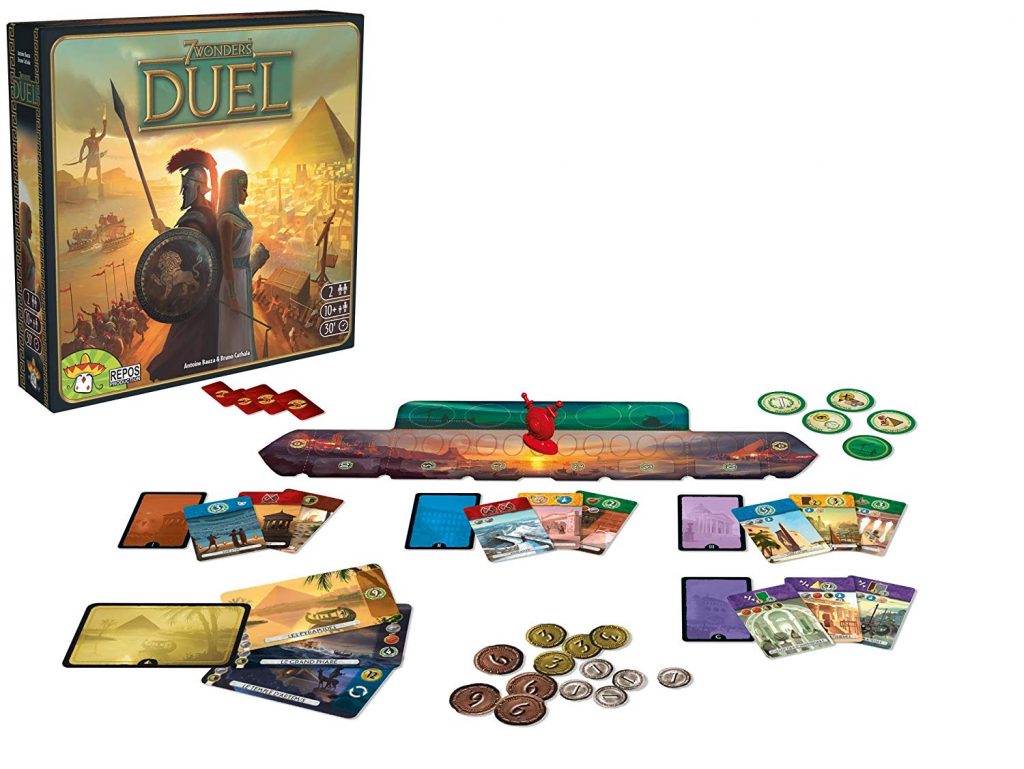
7 Wonders Duel is the gold standard for two-player strategy in 2026, and it earns that title by giving you three completely different paths to victory — military domination, scientific monopoly, or point accumulation — that stay balanced and in tension all the way to the final card. You're drafting cards from a shared tableau across three Ages, building your civilization's science, economy, and military simultaneously, and watching every choice your opponent makes with real anxiety because what they take is exactly what you can't have. The game runs 30 minutes, fits in a small box, and teaches in about 10 minutes.
The component quality from Asmodee is excellent — thick cardboard tokens, a sturdy game board, and clearly illustrated Wonder cards that feel premium for the price. The three-victory-condition system is what sets this above similar titles: you can be ahead on points and still lose instantly if your opponent captures your capital city or completes six science symbols. That constant multi-front awareness keeps both players locked in every single turn, and no two games unfold the same way because the eight Wonder cards in each game are drawn randomly from a larger pool, with only seven ever being buildable — that tension over the eighth is real.
- Three distinct victory conditions keep every game unpredictable until the last card
- Plays in 30 minutes with almost zero downtime between turns
- High replayability from randomized Wonder cards and card tableau layouts
- Ages 10+ rating is accurate — accessible but genuinely strategic
- Small box makes it ideal for travel or table space-constrained setups
Cons:
- Iconography has a slight learning curve on the first play
- Military track can snowball if one player ignores defense entirely
2. Patchwork (Revised Edition) — Best for Casual Play
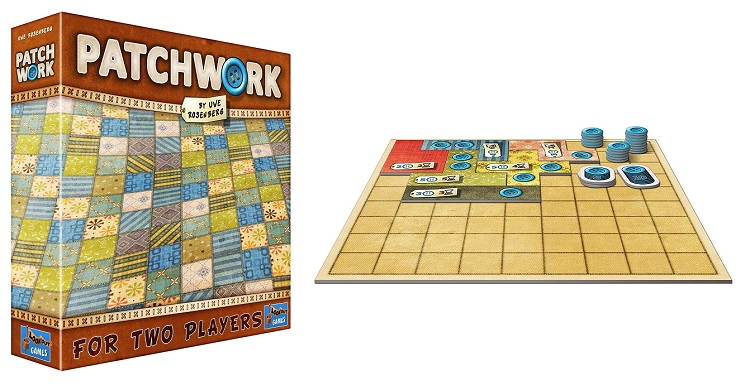
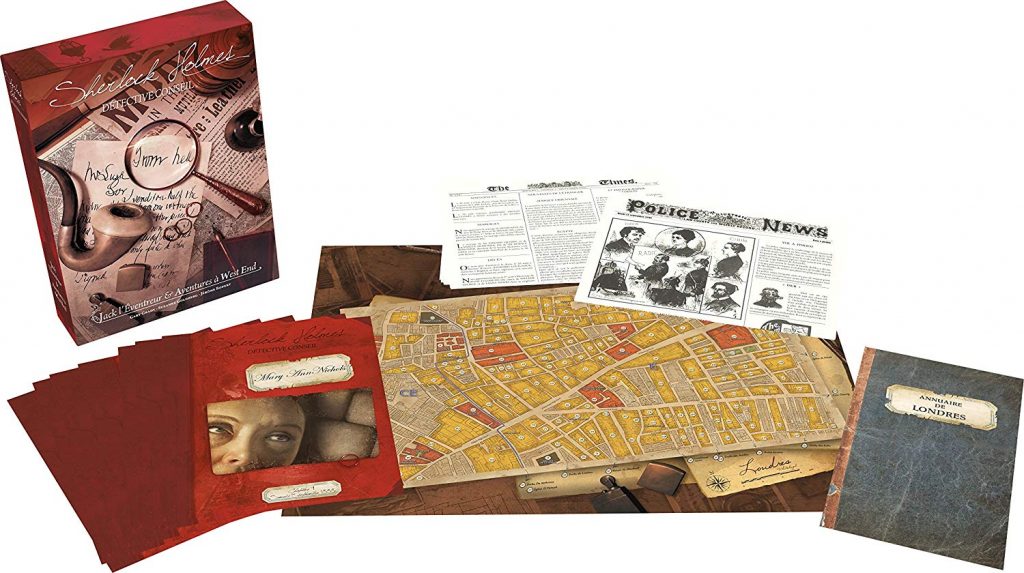
Patchwork is one of the most elegantly designed games ever made for two players — a tile-placement puzzle (meaning you're fitting Tetris-like fabric pieces onto a personal 9×9 grid) that rewards careful planning without ever becoming overwhelming. This 2026 Revised Edition keeps everything that made the original a classic while delivering updated components and refreshed visual design that makes the game look and feel premium on the table. Your goal is to build the most complete quilt you can by spending buttons (the currency) and time — two resources that are always in tension.
The genius of Patchwork is that it teaches in under five minutes but reveals new layers with every game. You and your opponent share a circular market of fabric patches arranged around a central track, and you can only choose from the first three patches ahead of your marker — which means denying your opponent the piece they need is just as valid a strategy as taking what you want. The 30-minute runtime makes it perfect for casual nights, date nights, or as an opener before a heavier game. The revised edition's cleaner artwork makes piece shapes easier to read at a glance, which genuinely improves the experience.
- Fast setup and teardown — under 5 minutes to get playing
- Teaches in minutes but rewards strategic thinking about denial and efficiency
- Revised edition components are noticeably higher quality than the original
- Completely portable at roughly the size of a hardback book
- Great gateway game for partners or family members new to hobby gaming
Cons:
- Very low player count ceiling — strictly two players only
- Lighter players may feel it lacks depth compared to heavier titles
3. Jaipur (New Edition) — Best Card Game
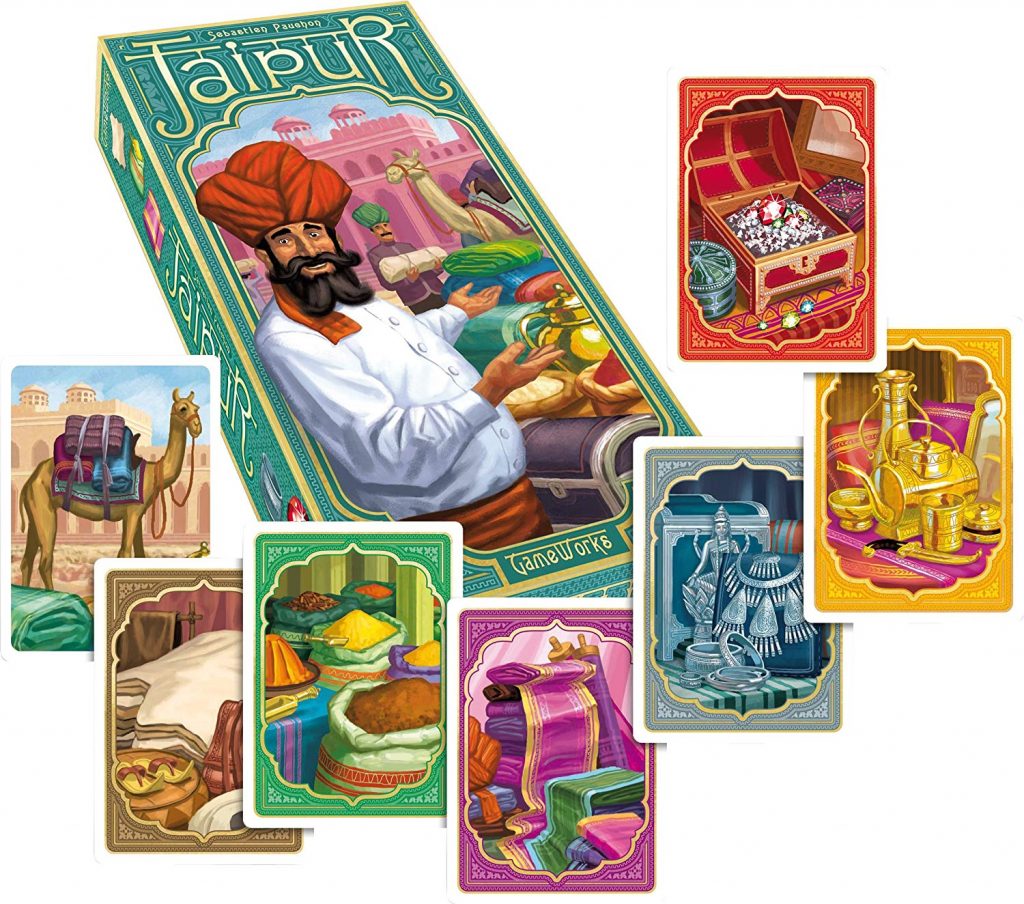
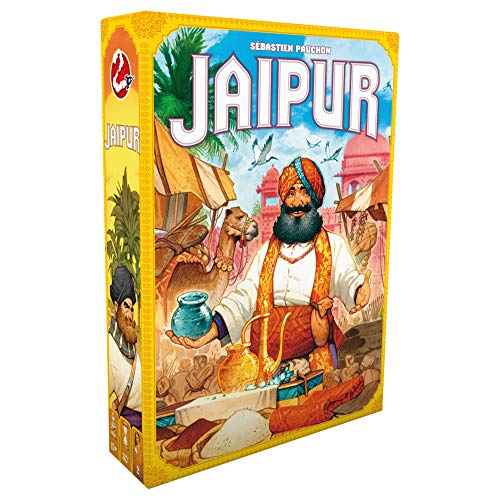
Jaipur is the finest pure card game designed exclusively for two players, and the New Edition from Space Cowboy adds spectacular artwork by renowned illustrator Vincent Dutrait without touching a single rule. You play as a merchant in the Indian city of Jaipur, competing to be the personal trader of the Maharaja — collecting and selling goods like spices, leather, silver, and rare gems while racing to sell large batches for the most valuable bonus tokens. The market (a shared five-card row between you) refreshes dynamically with every trade, and reading when to sell versus when to hoard is the heart of every decision you make.
What makes Jaipur stand out in 2026 is how much strategic depth it delivers with so few components. A full game is best-of-three rounds, each lasting 15–20 minutes, and the swings in momentum between rounds create genuine drama even across a short evening. The camel mechanic — camels are used as trading currency but score you nothing — adds a fascinating layer of tempo management that new players often overlook on their first game but quickly master. This is the game that has converted more non-gamers into regular players in our experience than almost anything else on this list.
- Award-winning design now with gorgeous updated artwork in the new edition
- Plays in 30 minutes but best-of-three structure creates compelling sessions
- Lightweight enough for non-gamers but deep enough for hobbyists
- Compact box stores easily and sets up in two minutes
- Strong hand-management (the skill of managing what you hold) tension every round
Cons:
- Randomness of the card draw can occasionally feel swingy
- Strictly two players — not scalable to more
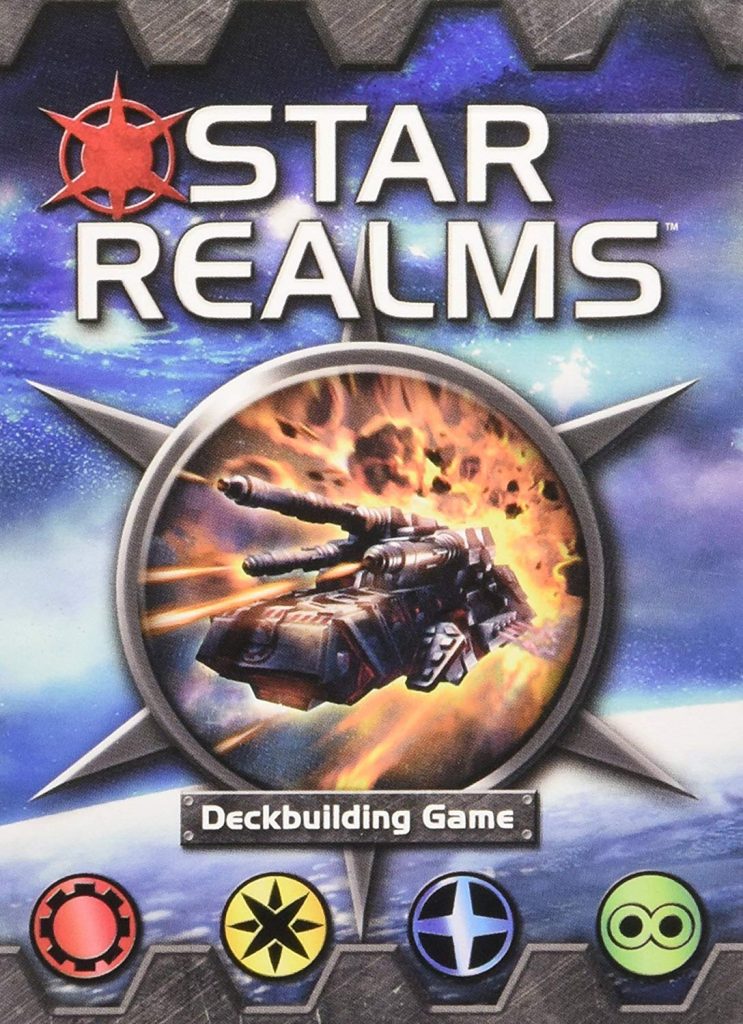
4. Lost Cities Card Game (with 6th Expedition) — Best Quick Duel
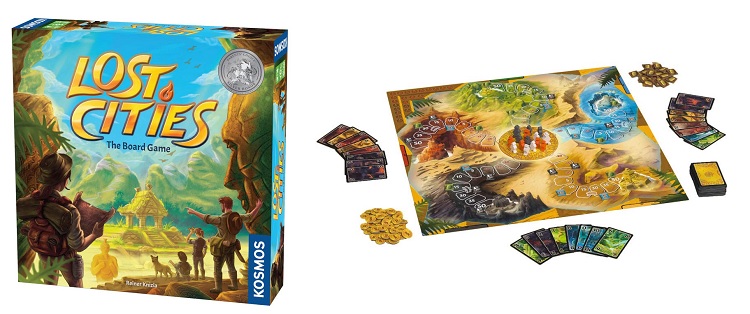
Lost Cities is the definitive quick two-player card game for couples and casual players, and this version adds a sixth expedition (color) that deepens the decision space without adding a single rule. You play as rival explorers launching expeditions to remote corners of the world — the Himalayas, Central American rainforest, Egyptian desert, a volcano, the sea floor, and now a mysterious sixth destination. Each expedition you start costs you 20 points automatically, so committing to one without enough follow-through cards is how you lose, and holding back is just as dangerous as overcommitting.
The two-sided game board in this version adds a welcome visual update and a slight layout change that improves clarity during play. The core mechanic is simple — on your turn you either play a card to one of your expeditions or discard it, then draw from the deck or a discard pile — but the tension comes entirely from watching what your opponent picks up and agonizing over discards that might complete their hand. Three rounds of scoring create a full game arc in roughly 30 minutes. This is the game you pick when you want something meaningful without a learning curve.
- Sixth expedition adds meaningful new decisions over the classic five-color version
- Two-sided board gives you layout variety between sessions
- Teaches in 5 minutes — perfect for non-gamer partners
- Three-round structure creates satisfying comeback opportunities
- Excellent value — low price for high quality components
Cons:
- Lower ceiling of complexity compared to heavier titles on this list
- Luck of card draw matters more in shorter sessions
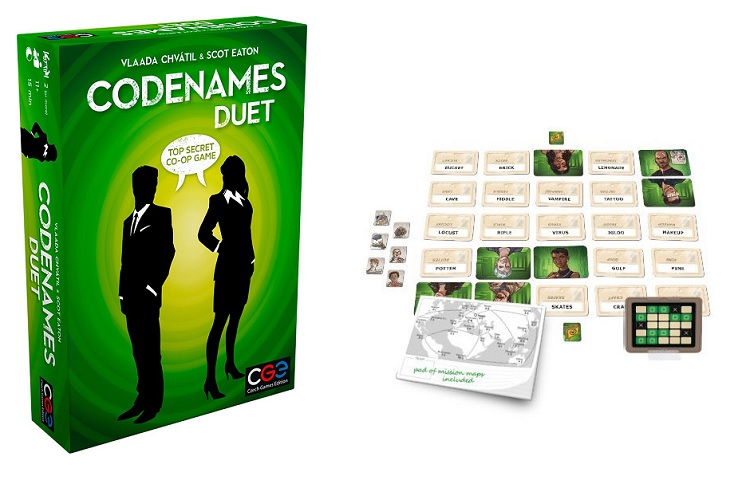
5. Hive — Best Abstract Strategy
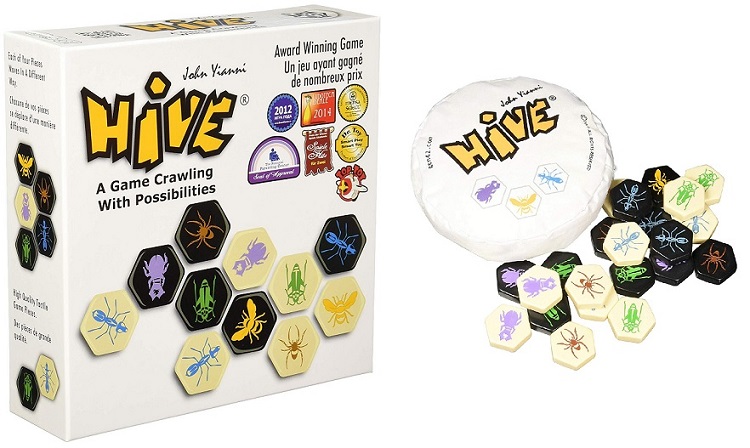
Hive is the most portable serious abstract strategy game ever made, and the Mensa Select award it carries is fully deserved. There is no board — the hexagonal bakelite (a hard, durable plastic) pieces form their own hive as you play, expanding across whatever surface you're on. Your goal is to surround your opponent's Queen Bee completely while preventing the same from happening to yours. Each insect piece moves differently — the Beetle climbs on top of other pieces, the Grasshopper jumps in straight lines, the Soldier Ant moves anywhere along the hive's edge — and you must place or move a piece every turn, which means the pressure never lets up.
What separates Hive from other abstract games is how tactile and spatial it feels without a board to anchor your thinking. You constantly have to visualize the hive three or four moves ahead, accounting for how it might shift when pieces enter or leave. Gen42 Games built this to last — the pieces are thick, smooth, and satisfying to handle, and they fit in a cloth pouch that slides into any bag. There are no cards to shuffle, no tokens to track, and no randomness whatsoever. Every outcome is a direct result of your decisions, which makes it deeply satisfying for players who want pure strategy without noise.
- No board required — play on any flat surface anywhere
- Mensa Select honored for excellence in game design
- Zero luck — outcome determined entirely by skill
- Premium bakelite pieces built to last decades
- Multiple piece types (Soldier Ant, Grasshopper, Beetle, Spider) create deep strategic variety
Cons:
- Steeper learning curve for players new to abstract strategy games
- No thematic elements — pure abstract play won't suit everyone
6. Targi — Best Worker Placement Game
Targi is the best pure worker-placement game (a mechanic where you send tokens to locations on the board to take actions, blocking your opponent) designed specifically for two players, and its 7.6 BoardGameGeek rating and Top 100 ranking are entirely justified. You play as leaders of Tuareg tribes trading goods across the Sahara desert, placing your Targi figures on the outer border of a 5×5 card grid to determine which inner cards your tribe can collect and use. The twist is that your figures and your opponent's figures create crossing rows and columns — wherever they intersect, that's where both of you are forced to act.
That intersection mechanic is elegant, spatial, and deeply interactive — it means every placement you make affects what your opponent can do, and vice versa, without any direct conflict. The solo variant included in the box is a genuine bonus for times when your gaming partner is unavailable, which is a rare and appreciated touch in the two-player genre. Targi plays in 60–90 minutes and rewards the player who best manages their goods (salt, dates, pepper) while developing the most efficient tribe card engine. The Golden Geek Award nomination and Kennerspiel des Jahres (a prestigious German game award) finalist status are marks of serious design quality.
- Top 100 BoardGameGeek ranking with a 7.6 rating — an extremely consistent performer
- Unique intersection mechanic creates natural, elegant player interaction
- Includes a solo variant — rare in the two-player genre
- Kennerspiel des Jahres finalist — a mark of hobbyist-level design quality
- Deep card engine-building across a full session
Cons:
- 60–90 minute playtime is longer than most casual players expect
- Initial rules explanation takes patience — best learned from a video
7. Twilight Struggle — Best for Hardcore Gamers
Twilight Struggle is the most acclaimed two-player wargame ever designed, and the French-language Pixie Games edition brings this Cold War masterpiece to a wider audience in 2026. You and your opponent each control a superpower — the USA or the Soviet Union — competing for global influence across 45 years of history from 1945 to 1989. The card-driven system (meaning event cards trigger historical moments that can dramatically reshape the board state) puts you in real historical scenarios from the Berlin Blockade to the Cuban Missile Crisis, and the weight of every decision you make feels genuinely significant.
The DEFCON (nuclear alert level) track is one of the most brilliantly designed mechanisms in all of board gaming — pushing your aggression too hard can trigger nuclear war and end the game as an immediate loss for whoever caused it, which means even a player who's winning can lose everything in a single overconfident turn. A full game runs three to four hours at minimum, so this is not a game you pick up casually — but for gamers who want the deepest, most historically rich two-player experience available, nothing else comes close. The space race sub-game and coup mechanics add layers that take multiple plays to fully master.
- Widely considered the greatest two-player wargame ever designed
- Card-driven events recreate real Cold War history with each play
- DEFCON track adds existential tension and decision weight unlike any other game
- Space Race sub-game creates meaningful secondary competition
- Massive replayability — every game tells a different Cold War story
Cons:
- 3–4 hour playtime is a serious commitment for each session
- Steep learning curve — plan to invest a full evening just learning the rules
- This Pixie Games edition is in French — verify language compatibility before purchasing
Buying Guide: How to Choose the Best 2 Player Board Game
Choosing the right two-player game comes down to matching the game's demands to your actual situation — who you're playing with, how much time you have, and how serious you want the experience to be. Here are the four things that actually matter when you're making this decision in 2026.
Session Length and Time Commitment
Session length (how long one game takes from setup to finish) is the single biggest factor that determines whether a game actually gets played. Be honest about this. A game that looks perfect on paper but sits on the shelf because neither of you can commit two hours on a Tuesday night is a bad purchase for your situation.
- Under 30 minutes: Jaipur, Patchwork, Lost Cities — ideal for regular weeknight play
- 30–60 minutes: 7 Wonders Duel, Hive — the sweet spot for most couples and casual gamers
- 60–90 minutes: Targi — good for dedicated game nights with focused players
- 3+ hours: Twilight Struggle — plan your session in advance and clear the whole evening
If you're not sure, buy shorter first. You can always graduate to a heavier game, but a 3-hour game that kills your enthusiasm does lasting damage to your gaming habit.
Competitive vs. Cooperative Play
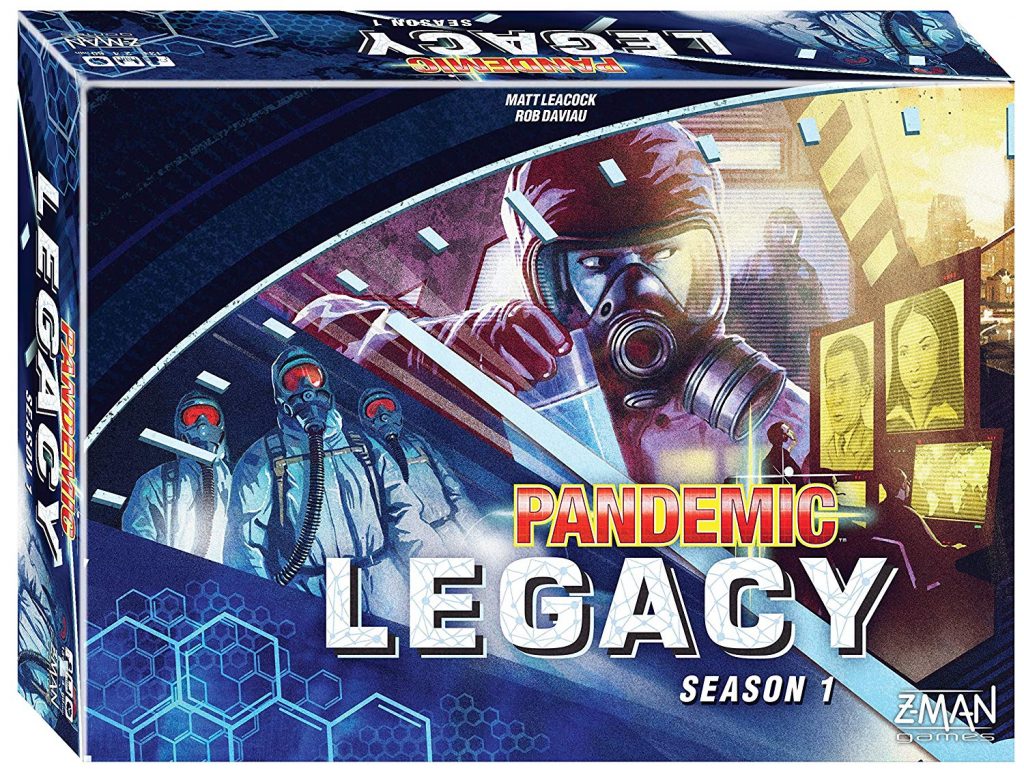
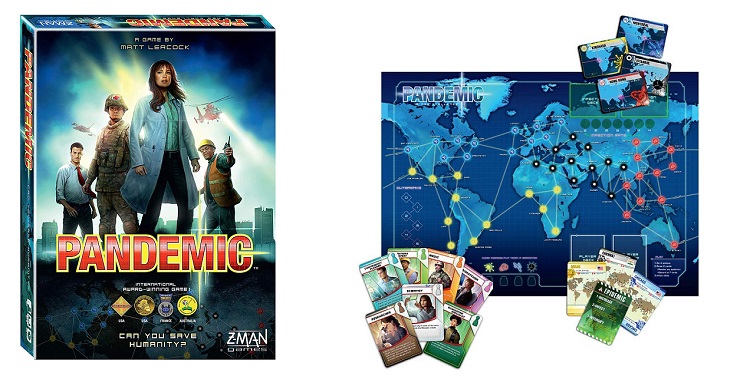
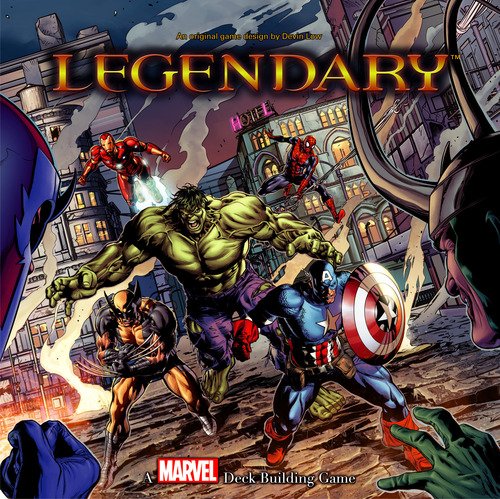
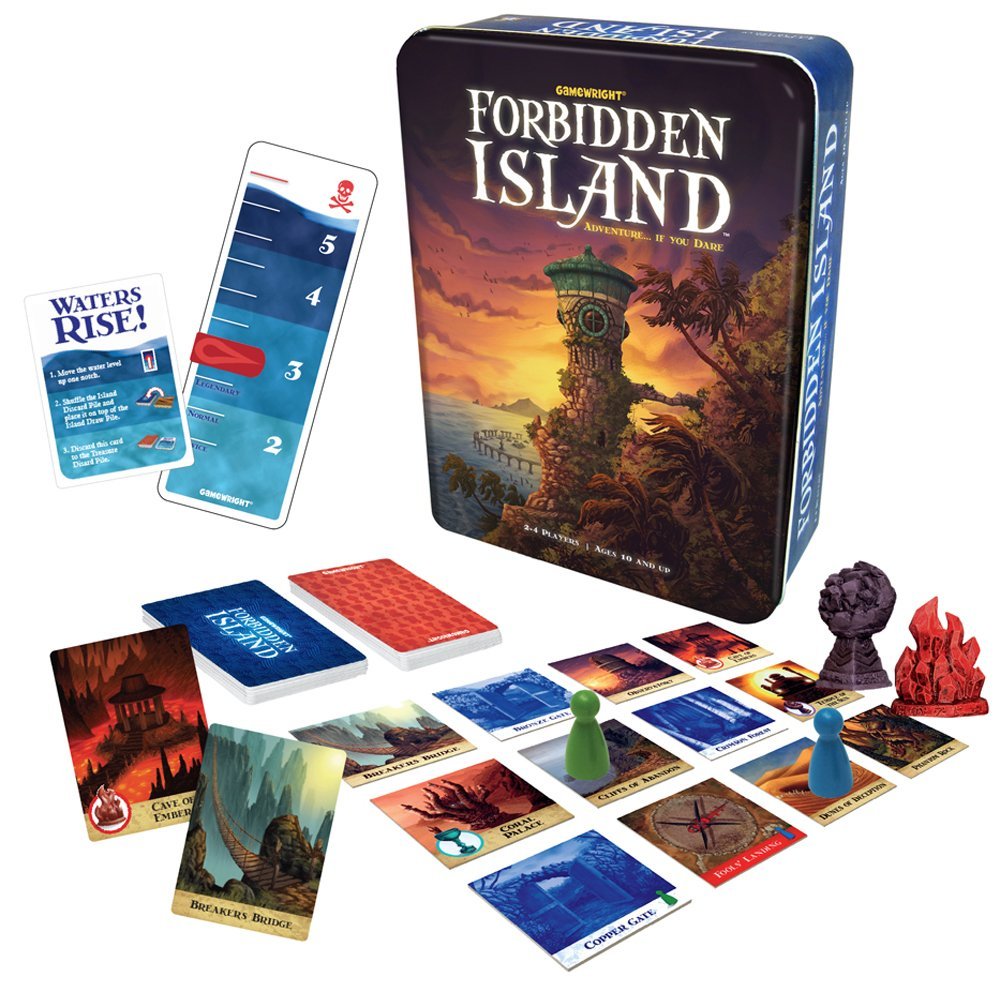
Every game on this list is competitive — you win, your opponent loses. But the texture of that competition varies enormously. Some games feel like a duel from turn one (7 Wonders Duel, Hive, Twilight Struggle), while others feel more like parallel puzzles where you occasionally interfere with each other (Patchwork, Lost Cities, Targi). Think about your relationship with your gaming partner and what kind of tension you enjoy. If head-to-head aggression creates friction in your household, the puzzle-adjacent games will serve you better. Also, if you enjoy co-operative gaming with two players, Pandemic and Forbidden Island — shown above — are excellent alternatives worth exploring. You can also read our guide on how to play Gin Rummy for a classic competitive card game option that needs zero setup.
Game Weight and Learning Curve
Game weight (a term hobbyists use to describe how complex a game is to learn and play) is not the same as fun. Heavier is not better — it's just different. Match the weight to your situation.
- Light (1–2/5 weight): Lost Cities, Jaipur, Patchwork — learn in 5 minutes, great for new players
- Medium (2–3/5 weight): 7 Wonders Duel, Hive — one session to learn, many to master
- Heavy (3–4/5 weight): Targi — requires patience to learn but deeply rewarding
- Very Heavy (4–5/5 weight): Twilight Struggle — requires multiple sessions and video tutorials to learn properly
Replayability and Long-Term Value
Replayability (how fresh a game feels after many plays) is what separates a great purchase from a one-month wonder. Look for games with variable setups, multiple paths to victory, or a wide enough decision space that no two games feel identical. Every game on this list scores well here — 7 Wonders Duel, Targi, and Twilight Struggle are the standouts. Hive and Lost Cities have a smaller decision space but are so mechanically tight that the mastery curve keeps them fresh. Games with strong replayability also represent the best value per dollar, especially important if you're building a two-player collection rather than buying one title. If you're interested in branching out beyond board games to fill your game space, check out our picks for the best arcade games of all time for some inspiration.
What People Ask
What is the best 2 player board game for couples in 2026?
Jaipur and Patchwork are the top choices for couples in 2026. Both teach in under five minutes, play in 30 minutes, and create genuine tension without requiring a heavy rulebook investment. Jaipur's merchant trading theme and Patchwork's quilting puzzle are both approachable and visually appealing. If you want something with slightly more depth that still fits a casual evening, 7 Wonders Duel is the upgrade path — it teaches in about 10 minutes and delivers a richer experience once you know the icons.
What is the best strategy board game for 2 players?
7 Wonders Duel is the best pure strategy board game designed for two players. It gives you three distinct victory conditions, a drafting system that forces hard choices every turn, and a session length of 30 minutes — all in a small box. For players who want heavier strategy and have more time, Targi and Twilight Struggle are the next tier up. Hive is the best option if you want pure abstract strategy with zero luck involved.
How long do 2 player board games typically take to play?
The range is enormous. Quick games like Lost Cities and Jaipur run 15–30 minutes per game. Mid-weight titles like 7 Wonders Duel and Patchwork run 30 minutes. Targi runs 60–90 minutes. Twilight Struggle runs 3–4 hours minimum and can extend to 6 hours for new players still learning the card effects. The games at the lighter end of this list are deliberately designed for fast sessions, which is part of what makes two-player games such a compelling genre — you can get a complete, satisfying game experience in the time it takes a larger group game to just set up.
Are there good 2 player board games that are also good with 3 or 4 players?
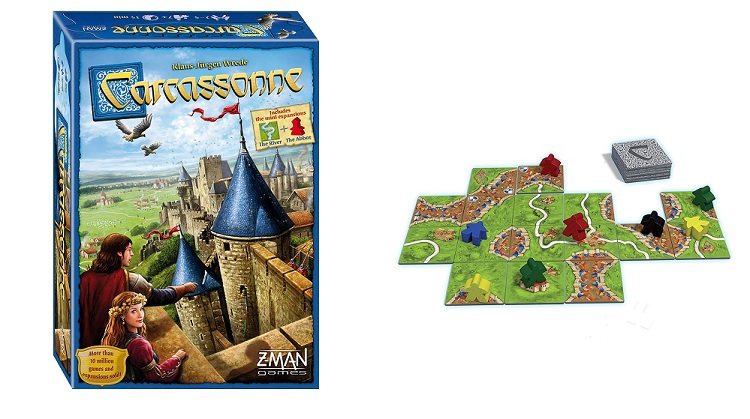
Most games on this list are designed exclusively for two players and do not scale upward — Jaipur, Patchwork, Lost Cities, Hive, Targi, and Twilight Struggle are all strictly two-player experiences. 7 Wonders Duel is also two-player only. If you need a game that works for two but also scales to a larger group, look at Carcassonne (shown in the gallery above) or Pandemic, which both play well at 2–5 players. These make smarter purchases if your gaming group size varies regularly.
What is a good 2 player board game for beginners?
Lost Cities is the best starting point for complete beginners — the rules fit on a single page, turns take seconds, and the scoring system is intuitive after one round. Jaipur is a close second and adds slightly more strategic depth without meaningful complexity overhead. Patchwork is excellent for visual and spatial thinkers who enjoy puzzle-style play. All three cost under $30, teach in five minutes, and play in under half an hour, which means even if one player isn't hooked after the first session, you haven't made a major financial commitment.
Is Twilight Struggle worth buying for casual gamers?
No — Twilight Struggle is specifically for dedicated hobbyist gamers who want the deepest, most historically rich experience the two-player genre offers. If you're a casual gamer, the 3–4 hour session length and steep learning curve will feel like work rather than fun. Start with 7 Wonders Duel or Jaipur and build your way up from there. If you eventually find yourself wanting more complexity, historical depth, and a game that rewards dozens of plays before you've seen all its possibilities, then Twilight Struggle becomes one of the best purchases you can make. Also note that the Pixie Games edition on Amazon is in French — confirm the language matches your needs before buying.
Buy on Walmart
- Asmodee 7 Wonders Duel Board Game BASE GAME - Intense Two-Pl — Walmart Link
- Lookout Games Patchwork Board Game (Revised Edition) - Inter — Walmart Link
- Asmodee Jaipur Board Game (New Edition) - Fast-Paced Duel of — Walmart Link
- Lost Cities Card Game - with 6th Expedition — Walmart Link
- Smart Zone Games Hive- A Game Crawling With Possibilities, ( — Walmart Link
- Thames & Kosmos | Targi | Two Player Game | Strategy Board G — Walmart Link
- Pixie Games – Twilight Struggle - Wargame Stratégique – Jeu — Walmart Link
Buy on eBay
- Asmodee 7 Wonders Duel Board Game BASE GAME - Intense Two-Pl — eBay Link
- Lookout Games Patchwork Board Game (Revised Edition) - Inter — eBay Link
- Asmodee Jaipur Board Game (New Edition) - Fast-Paced Duel of — eBay Link
- Lost Cities Card Game - with 6th Expedition — eBay Link
- Smart Zone Games Hive- A Game Crawling With Possibilities, ( — eBay Link
- Thames & Kosmos | Targi | Two Player Game | Strategy Board G — eBay Link
- Pixie Games – Twilight Struggle - Wargame Stratégique – Jeu — eBay Link
The best 2 player board game isn't the most complex one on the shelf — it's the one you actually pull out and play every single week.


About Mike Jones
Mike Jones grew up in the golden age of arcade and home gaming — a childhood shaped by Atari classics like Pitfall, Frogger, and Kaboom that gave him a lifelong appreciation for games of all kinds. These days he covers the full breadth of tabletop and family gaming: board games, card games, yard games, table games, and game room setup, with a particular focus on finding the games that bring different groups together. At GamingWeekender, he covers game reviews, buying guides, and recommendations for families, friends, and hobbyists who take their leisure seriously.
You can get FREE Gifts. Or latest Free phones here.
Disable Ad block to reveal all the info. Once done, hit a button below