
Which family board game is actually worth your money in 2026 — the one that gets pulled off the shelf every single Friday night instead of gathering dust on a closet floor? If you've spent any time scrolling Amazon reviews or standing in a game store aisle feeling completely overwhelmed by the sheer number of choices, you already know how hard that decision can feel. Here's the honest short answer if you need one right now: Ticket to Ride delivers the best combination of easy-to-learn rules and real strategic depth for mixed-age households, making it our top overall recommendation in this guide before we even get into the full breakdowns.
But "best" is a complicated word when it comes to board games, because your table is unique. A family with a curious four-year-old needs something completely different from one with competitive teens or a group of adults who want to stretch their brains. Board games span an extraordinary range — from deep resource-management strategy games to silly physical experiences that end with everyone on the floor laughing. According to Wikipedia's history of board games, humans have been gathering around shared tabletop experiences for thousands of years, and the modern market in 2026 is more vibrant and varied than it has ever been, with thousands of titles released annually to serve every conceivable player profile.
In this guide, you'll find in-depth reviews of seven top-rated Amazon picks — the games earning the strongest combination of customer praise, genuine replay value, and age-spanning appeal right now — plus honest assessments of the classic titles that have shaped family game night for generations. We'll walk you through what makes each game tick, who it works best for, and where each one can fall short, so you can make a confident purchase before you check out.
Classic Games That Belong on Every Shortlist
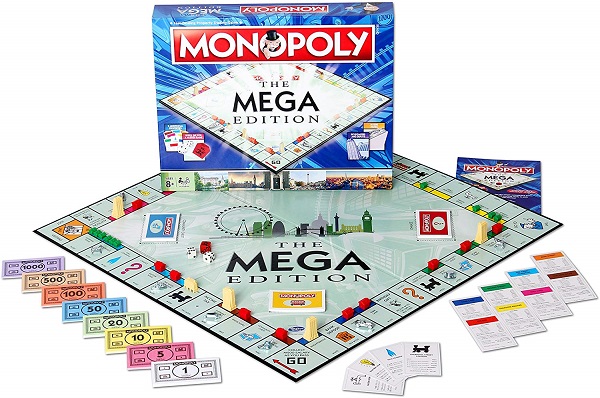
No list of 23 family board games would feel complete without a look at the titles that most of us grew up playing. These classics have earned their permanent spots in game rooms for good reason, and many of them are still just as entertaining today as they were when your parents were buying them. Monopoly remains one of the most recognized board games in the world, combining property trading, negotiation, and a healthy dose of luck in a format that generates some of the most memorable — and occasionally heated — family moments around any table.
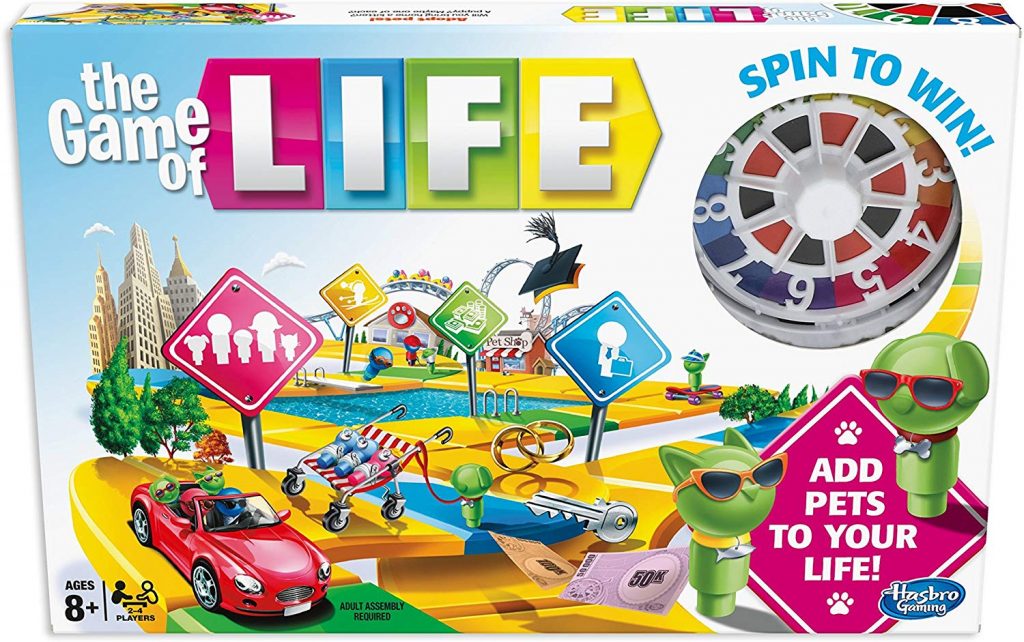
The Game of Life gives every player at the table a personal narrative to follow — career choices, family milestones, financial decisions — and it works remarkably well for sparking real conversations between generations who see those choices very differently. It's one of those games where the journey matters more than winning, which makes it ideal for families who enjoy storytelling and shared experiences over cutthroat competition.
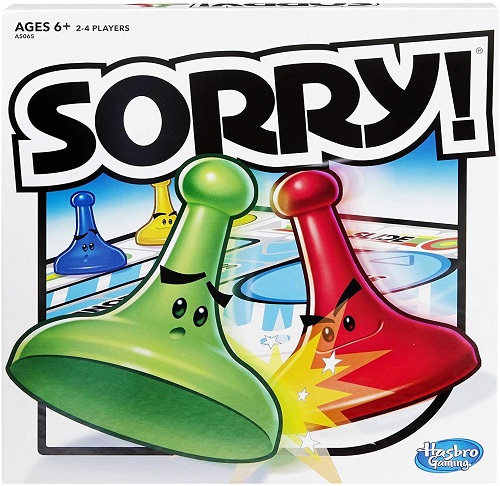
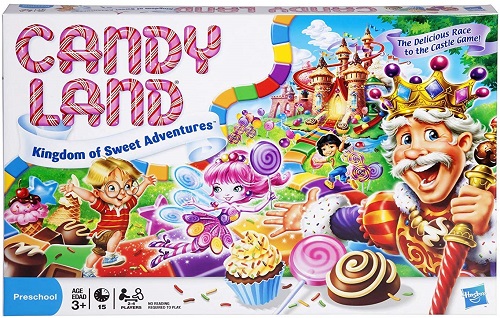
For families with young children who aren't reading yet, Sorry! and Candy Land are natural starting points. Sorry! introduces the concept of gentle strategy and blocking without demanding any complex thinking, while Candy Land removes almost all decision-making entirely and lets the pure luck of a card draw carry even the youngest players through a colorful adventure. Neither game will satisfy an adult playing alone, but as tools for teaching young kids the basics of turn-taking and following rules, they remain genuinely effective.
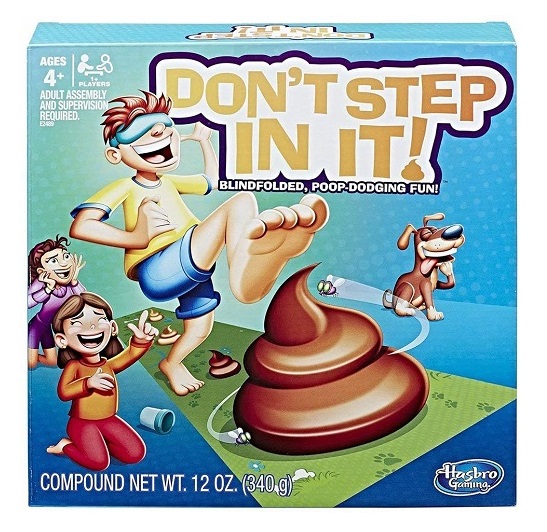
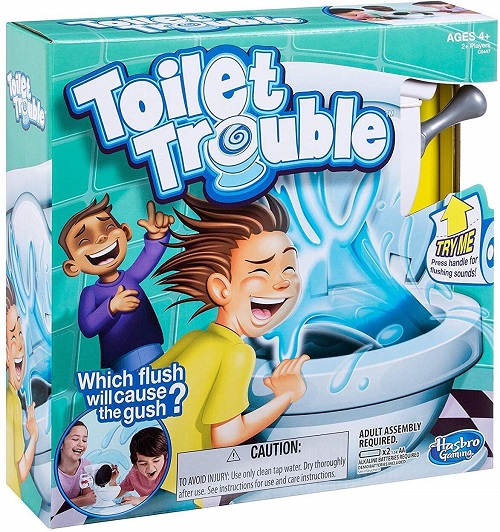
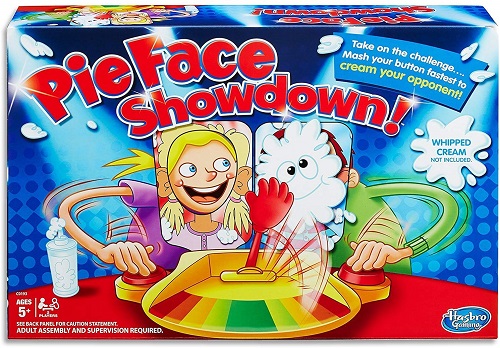
On the sillier end of the spectrum, games like Ker Plunk, Don't Step In It, Yeti In My Spaghetti, Toilet Trouble, and Pie Face have built enormous followings by leaning fully into absurdist, laugh-out-loud territory. With these, the experience of playing is usually funnier than any final score, and they're especially brilliant for breaking ice at parties, keeping younger kids engaged through sheer novelty, and guaranteeing at least one moment where someone laughs so hard they have to put the game down.


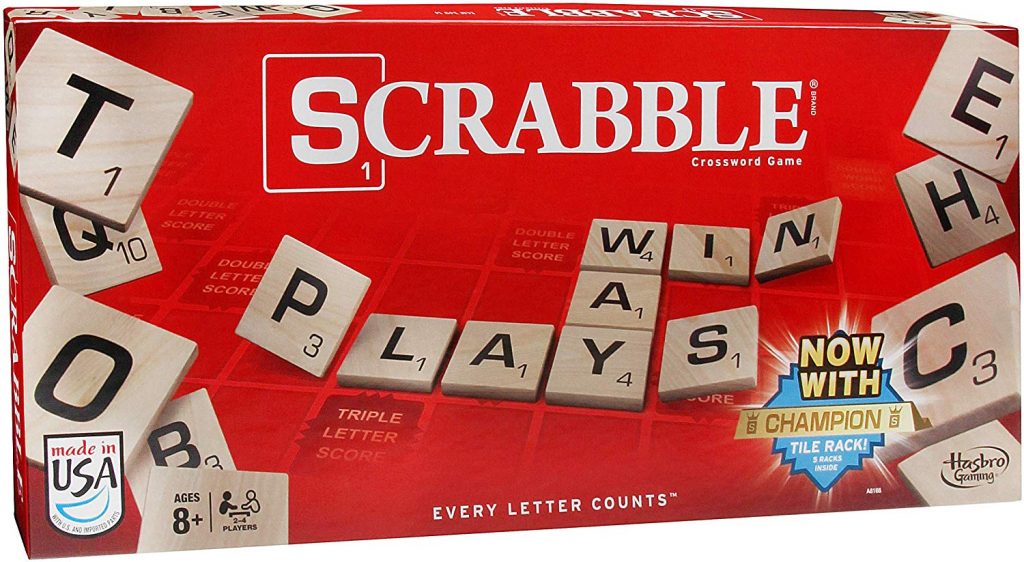
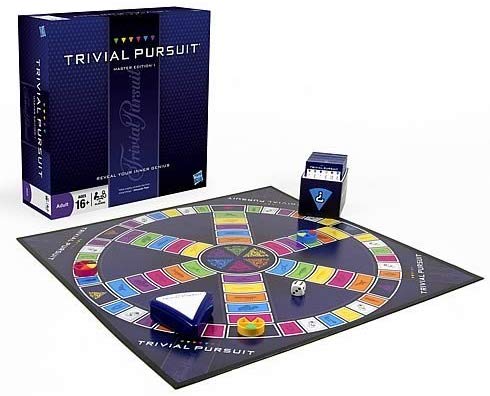
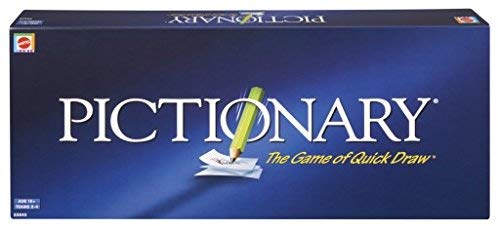
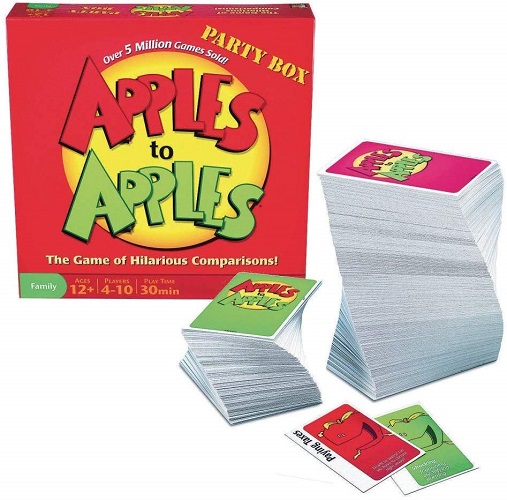
For families who enjoy a mental workout, Scrabble and Trivial Pursuit have defined the word-and-knowledge category for decades. Scrabble rewards vocabulary and spatial thinking on the board, while Trivial Pursuit tests general knowledge across categories that can either unite or hilariously expose the very different strengths of each player. If your group leans more toward creativity and quick thinking than rote knowledge, Pictionary and Apples to Apples deliver fast, laugh-filled rounds that work brilliantly for mixed groups of all ages.
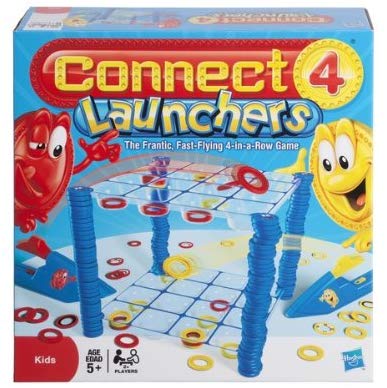
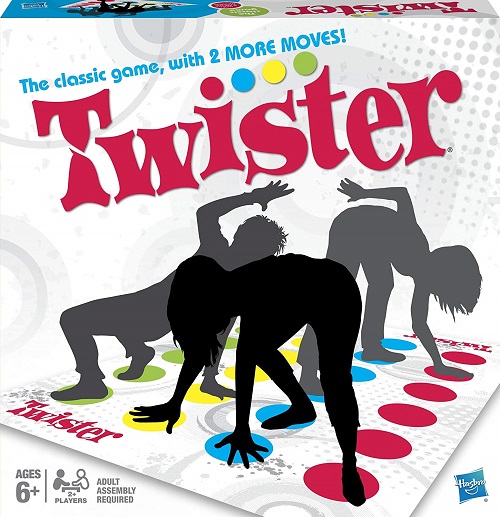
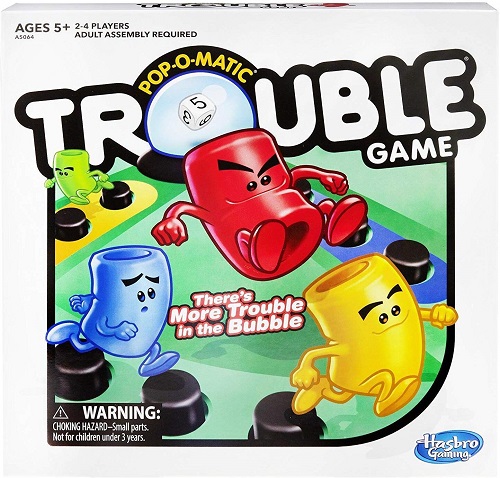
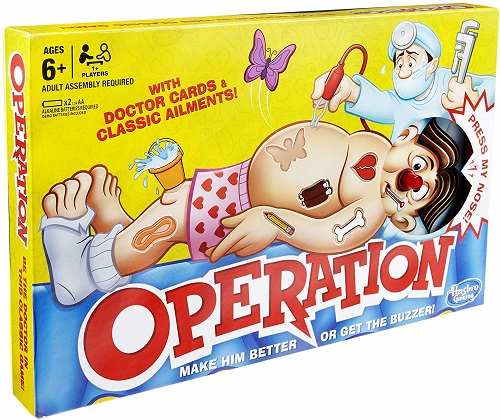
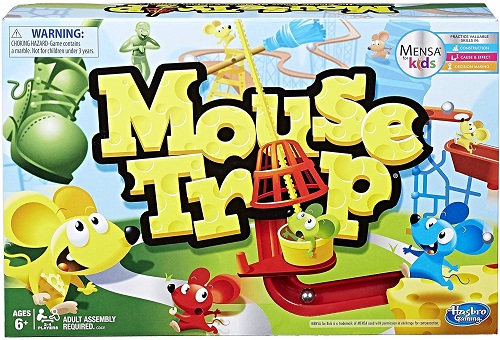
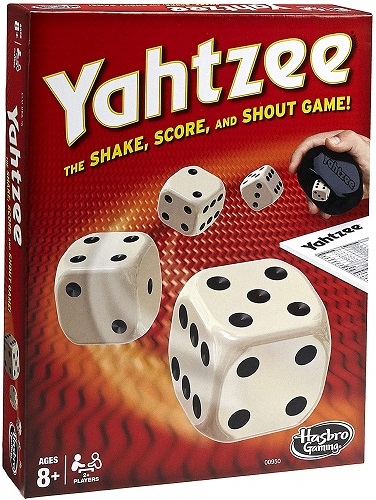
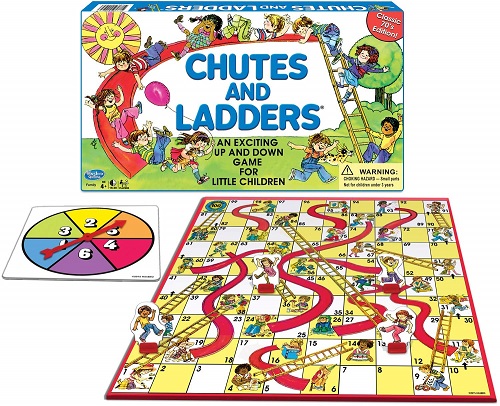
Then there are the dexterity and mechanical classics — Connect 4, Twister, Trouble, Operation, and Mousetrap — each bringing a different physical challenge to the table. Connect 4 is pure two-player tactical thinking distilled into two minutes. Twister turns the living room floor into a hilarious obstacle course. Operation demands a steady hand under pressure, and Mousetrap lets players build a ridiculous Rube Goldberg contraption (a chain-reaction device) that rarely works exactly as planned — which is, of course, half the fun. Yahtzee and Chutes and Ladders round out the classics with dice-rolling luck and a deceptively simple race format that can genuinely engage players of every age for a quick session.
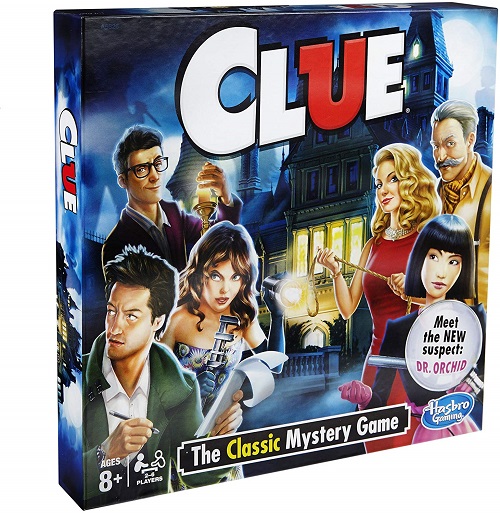
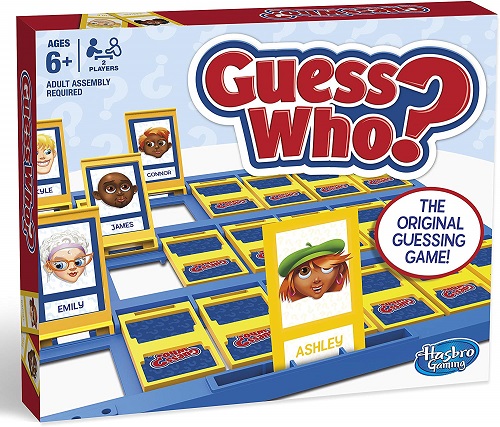
Mystery games also deserve their own spotlight, and both Clue and Guess Who? have proven remarkably durable as family favorites across generations. Clue in particular sits at the intersection of deduction, storytelling, and light strategy in a way that few games have managed to replicate. If you enjoy this style of play, you might also want to explore our roundup of the best murder mystery dinner party game kits, which takes the same whodunit concept and expands it into a full evening's immersive entertainment.
Contents
Best Choices for 2026
- #PreviewProductRating
- Bestseller No. 1
 Rating:

- Bestseller No. 2
 Rating:
 - Bestseller No. 3
 Rating:
 - Bestseller No. 4
 Rating:
 - Bestseller No. 5
 Rating:
 - Bestseller No. 6
 Rating:
 - Bestseller No. 7
 Rating:
Full Product Breakdowns
1. Asmodee Ticket to Ride Board Game (2025 Refresh) — Best for Strategy Beginners
Ticket to Ride has been one of the most recommended family board games for years, and the 2025 refresh keeps everything that made it great while updating the components to feel fresh and modern. The premise is wonderfully simple: you collect colored train cards and use them to claim routes across a giant map of North America, connecting cities according to secret destination tickets you hold in your hand. The tension comes from watching other players eye the same routes you need, and deciding whether to grab a key connection now or hold off to draw more cards first.
What makes Ticket to Ride such a reliable recommendation for families is that the rules take about ten minutes to explain, but the strategic decisions keep experienced players engaged game after game. Kids as young as eight can genuinely compete with adults, which is rarer than you'd think in strategy games. The giant map and miniature wooden trains are visually appealing and durable, and the 30–60 minute playtime hits the sweet spot where everyone finishes satisfied rather than exhausted. If you enjoy this kind of route-building strategy and want to explore similar competitive thinking across a wider range, our guide to the best strategy board games covers deeper titles worth adding to your collection once your family is ready to level up.
The one real limitation here is that Ticket to Ride tends to run on the longer side when you have five players, and the route-blocking dynamic can occasionally frustrate younger players who feel targeted. But for most households, this is a minor tradeoff against an otherwise exceptional game.
Pros:
- Easy rules make it accessible for ages 8 and up without dumbing down the strategy
- Beautifully produced components including a large map and wooden train pieces
- Scales well from 2 to 5 players with consistent engagement at every count
Cons:
- Can run long at the five-player count, sometimes pushing past 90 minutes
- Route blocking can cause frustration for younger or more sensitive players
2. CATAN Board Game (6th Edition) — Best for Resource Strategy
CATAN is arguably the game that started the modern board game renaissance, and the 6th Edition in 2026 is the most refined version yet. You and up to three opponents are settling the island of Catan, gathering resources — brick, wood, wheat, ore, and sheep — through dice rolls and strategic placement, then spending those resources to build roads, settlements, and cities on your way to ten victory points. What makes it remarkable is how much player interaction is baked into the design: trading is not just allowed, it's essential, which means the game runs on negotiation as much as strategy.
The modular hex board (a grid of hexagonal tiles) means every game sets up differently, giving CATAN exceptional replayability that most games at this price point simply can't match. No two sessions play out the same way, because the resource distribution and player positions create a completely different puzzle each time. The 60–90 minute playtime is on the longer side for a family game, but the pacing rarely drags because something is always happening — someone is trading, blocking, or building — so everyone stays alert between turns. The recommended age of 10 and up is realistic; younger players can participate but may struggle with the trading negotiation side of the game.
The biggest complaint you'll hear about CATAN is that dice luck can occasionally make or break a game regardless of how well you play, which frustrates players who prefer pure strategy. It's a valid criticism, but most families find the social dynamics of trading and deal-making more than compensate for the occasional unlucky roll.
Pros:
- Modular board creates massive replayability with a new map every session
- Trading mechanic makes every player socially engaged throughout the game
- Well-crafted components that hold up to heavy regular use
Cons:
- Dice luck can sometimes overshadow strategic decisions late in the game
- Trading dynamics may be challenging for players under age 10
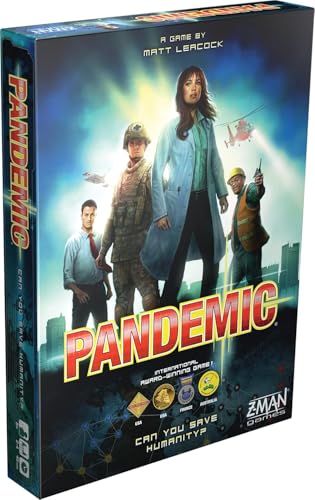
3. Asmodee Pandemic Board Game (Base Game) — Best Cooperative Game
Pandemic flips the entire competitive model on its head by asking every player at the table to work together against the game itself. You and up to three teammates are playing specialist roles — scientist, medic, dispatcher, researcher — and your collective goal is to find cures for four diseases spreading across a world map before they overwhelm cities with unstoppable outbreak chains. Every decision you make affects the team's chances, which creates a genuinely collaborative problem-solving experience that most competitive games simply can't replicate.
The beauty of Pandemic is how it scales difficulty. You can make it easier for families new to cooperative games and ratchet it up significantly for groups who've mastered the basics, giving this single box enormous longevity. The tension near the end of a close game is genuinely gripping in a way that feels completely different from trying to beat another player. Because everyone wins or loses together, there's no sore loser problem and no runaway winner — just shared triumph or shared defeat, which makes it an excellent choice for family dynamics where competitiveness sometimes causes friction.
The one real challenge with Pandemic is a phenomenon called "quarterbacking" (one dominant player directing everyone else's moves), which can leave less assertive players feeling sidelined. Strong families navigate this by setting house rules about how much advice is allowed, but it's worth knowing about before you buy.

Pros:
- Fully cooperative format eliminates competitive tension that can sour family dynamics
- Adjustable difficulty keeps the game challenging as your household improves
- 45-minute playtime is ideal for a weeknight family session
Cons:
- Risk of one dominant player directing everyone's decisions throughout
- Themed around disease which may not appeal to all family members
4. Asmodee Dixit Board Game (2021 Refresh) — Best for Creative Storytelling
Dixit is one of those rare games that genuinely rewards imagination over strategic calculation, making it one of the most inclusive options on this entire list. Each round, one player acts as the storyteller and gives a clue — it can be a word, a phrase, a sound, anything — that describes one of the beautifully illustrated cards in their hand. Everyone else secretly picks a card from their own hand that they think fits the clue, and then the whole group votes on which card was the storyteller's original. The trick is that your clue has to be specific enough that some people guess correctly, but vague enough that not everyone does — scoring rewards the in-between.
The 2021 refresh improves on the original with updated voting dials that accommodate left-handed players, a cleaner scoring board, and support for up to eight players, which makes it one of the most flexible options here for larger gatherings. The dreamlike illustrations on Dixit cards are genuinely stunning, and they tend to spark conversations that go well beyond the game itself, making this one of the rare choices that works as well for a quiet evening with two people as it does for a party of eight. For families with creative kids who feel overshadowed by more analytical siblings in strategy games, Dixit levels the playing field in a meaningful way.
The main limitation is that Dixit has essentially no competitive tension — if you're a household that loves direct head-to-head conflict and scoring pressure, this may feel a little too gentle for your taste. But for the right group, that gentle quality is exactly what makes it special.
Pros:
- Stunning hand-illustrated cards that spark imagination and real conversation
- Scales from 3 to 8 players, making it one of the most flexible games here
- Creative and imaginative players have just as much advantage as logical ones
Cons:
- Very low competitive tension may not satisfy households that love cutthroat play
- Scoring system can feel arbitrary to players who prefer clear strategic outcomes
5. Sushi Go Party! — Best for Large Groups
Sushi Go Party! is the expanded, deluxe version of the original Sushi Go, and it improves on an already great formula by adding more card types, a customizable menu system, and support for up to eight players. The core mechanic is card drafting (picking one card from your hand and passing the rest to the next player), which means everyone is playing simultaneously and there's virtually no downtime between turns. You're building the best combination of sushi dishes each round, with different cards scoring in different ways depending on what your neighbors are collecting.
What makes Sushi Go Party! exceptional for families specifically is the combination of speed and genuine decision-making at a level that works for kids eight and up without boring adults. A full game rarely takes longer than 25 minutes, which makes it ideal for situations where you have time for "one more round" — and you will absolutely want one more round. The cute sushi artwork is universally appealing, the rules are simple enough to explain while still shuffling cards, and the variable menu system means you can gradually add more complexity as your household gets comfortable with the basic game. If you enjoy card games with a social angle and want to explore that category further, check out our list of the best 2-player board games for times when the full group isn't available.
The main knock on Sushi Go Party! is that the luck of the draw matters quite a bit, and experienced players can occasionally feel frustrated when the right cards simply don't appear. But at this price and playtime, it's difficult to find a better pick for mixed-age groups.
Pros:
- Simultaneous card drafting eliminates waiting and keeps everyone engaged every turn
- 25-minute playtime is perfect for a quick family session or a filler between longer games
- Customizable menu adds variety and keeps the game fresh across many plays
Cons:
- Luck of the draw can feel unfair when the right cards simply don't show up
- Less satisfying as a two-player game compared to the larger group experience
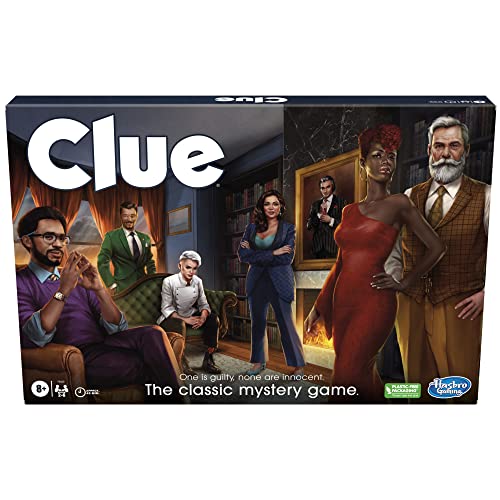
6. Clue Board Game — Best Mystery Game
This reimagined version of Clue takes the classic murder-mystery formula and gives it a genuine narrative upgrade, with richly developed backstories for each suspect, a detailed Tudor Mansion setting, and a mystery that feels more layered than the original. The core premise is the same: someone has been murdered (poor Boddy Black this time), and you need to deduce who did it, where in the mansion it happened, and which weapon was used — all before your opponents do. You still move around rooms, collect clues, and make process-of-elimination deductions using your notepad, but the new edition wraps those familiar mechanics in a more immersive atmosphere.
Clue works especially well for families because deduction skills — the ability to use information logically to rule out possibilities — are things that develop with age, so older kids genuinely get better at the game over time rather than hitting a ceiling quickly. Playing Clue together is one of the better ways to introduce kids to logical reasoning without making it feel like homework. The 2–6 player range and roughly 60-minute playtime make it flexible enough for family nights with varying attendance. If this style of deductive mystery appeals to you on a larger scale, the experience pairs really well with dedicated immersive experiences from our guide to the best murder mystery dinner party kits.
The main weakness in this reimagined version is that the new components, while visually appealing, are more cardboard-heavy than earlier editions, and some reviewers note that the revised board can feel slightly cramped for six players. But as a modern update to one of the most beloved family game concepts ever designed, it's a confident pick.
Pros:
- Richer narrative and character backstories add genuine depth to the classic formula
- Deduction mechanics naturally develop logical reasoning skills in younger players
- Accommodates up to 6 players, making it great for larger family gatherings
Cons:
- Board can feel crowded and confusing at the maximum 6-player count
- Component quality is functional but not as premium as some modern competitors
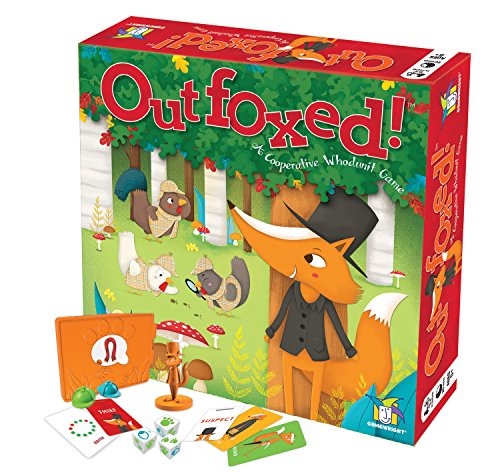
7. Outfoxed — Best for Preschoolers
Outfoxed is a cooperative whodunit game designed specifically for kids ages four and up, and it genuinely delivers on that promise in a way that few games in this age bracket do. A fox has stolen Mrs. Plumpert's prized pot pie, and the whole team has to work together to gather clues and eliminate suspects before the guilty fox escapes. The clever evidence scanner mechanic — a transparent plastic device that reveals whether a suspect matches your gathered clue — makes the deduction process tactile and easy for very young children to participate in meaningfully, rather than just following along with what adults decide.
What sets Outfoxed apart from other preschool games is that it gives young players genuine agency in the investigation without requiring any reading skills or complex decision-making. Every player contributes real information to the group's deduction, which makes even the youngest child feel like an essential part of the team. The cooperative format also means there's no one being eliminated or made to feel like a loser — you all win or you all lose together, which is exactly the right dynamic for this age group. Games run about 20 minutes, which is perfectly calibrated for younger attention spans.
The one limitation is that Outfoxed ages out relatively quickly — kids who are ready for Clue or Pandemic will likely find it too easy within a year or two. But as an introduction to cooperative play and logical deduction for the youngest players at your table, it's genuinely hard to beat.
Pros:
- Evidence scanner makes deduction tactile and accessible for ages 4 and up
- Cooperative format prevents any child from feeling singled out or defeated
- 20-minute games are perfectly sized for younger attention spans
Cons:
- Ages out quickly — older kids will find it too simple within a year or two
- Limited replayability compared to games with variable setups or deeper mechanics
Key Features to Consider When Choosing Family Board Games
Age Range and Player Count
The most important thing you can do before buying is match the game's recommended age to the youngest player who will regularly join in. A game labeled ages 8 and up genuinely means it — not because of content, but because of the cognitive load involved. Cooperative games like Outfoxed and Pandemic tend to be more age-flexible than competitive ones, because a more experienced player can help a younger one without it feeling unfair. Player count is equally important: if your household usually has three people around the table, a game that shines with five players may feel hollow most of the time, while a game designed specifically for two to four tends to hold up in your real-world context.
Cooperative vs. Competitive Play
This is a more meaningful distinction than most people realize before they start buying games regularly. Competitive games — CATAN, Ticket to Ride, Clue — are great when your family enjoys friendly rivalry and the bragging rights that come with outplaying each other. Cooperative games — Pandemic, Outfoxed — remove that rivalry entirely and replace it with shared problem-solving, which works better for families where competitive dynamics cause friction or where age gaps are large enough to make true competition feel unbalanced. Some households keep one of each type on the shelf for different moods, which is honestly the best approach if budget allows.
Game Length and Complexity
Be honest with yourself about how much time your household can realistically commit to a game session. A 90-minute game that requires full concentration sounds appealing on a Saturday afternoon but becomes an obstacle on a Tuesday evening. Games in the 30–45 minute range — Pandemic, Sushi Go Party!, Outfoxed — are far more likely to get played consistently, because the time commitment never feels like a burden. Complexity and length usually travel together: games with more rules and decisions tend to run longer, so a shorter game is generally a lower barrier to entry. Start simpler than you think you need to, because a game that gets played every week is worth more than a more elaborate one that comes out twice a year.
Budget, Replayability, and Value
Most of the games on this list fall in the $25–$50 range, which is modest when you consider that a single box can deliver hundreds of hours of entertainment over years of regular play. The key question isn't how much it costs up front but how many times you'll realistically play it before it feels stale. Games with variable setups — CATAN's modular board, Sushi Go Party!'s customizable menu — offer dramatically more replay value than games with a fixed structure. Mystery and deduction games like Clue and Outfoxed are somewhere in the middle: the core puzzle is fixed, but the randomized solution keeps each game feeling fresh for quite a while before the novelty fades.
Questions Answered
What is the best family board game for mixed ages?
Ticket to Ride is the most consistently recommended option for mixed-age groups in 2026, because its rules are simple enough for kids around age 8 to understand fully while offering enough strategic depth to keep adults genuinely engaged. Pandemic is another strong choice if your family prefers cooperative play, since it lets more experienced players support younger ones without undermining the shared challenge.
What is a good board game for a 4-year-old?
Outfoxed is specifically designed for children ages 4 and up, and it genuinely delivers age-appropriate engagement rather than just simplifying an adult game. Its cooperative whodunit format, tactile evidence scanner, and 20-minute playtime are perfectly calibrated for preschool attention spans, and the cooperative structure means there's no loser at the end of the game.
Are strategy board games too complicated for kids?
Not necessarily — it depends entirely on the game. Ticket to Ride is technically a strategy game and works well for kids as young as 8, while CATAN is recommended for 10 and up because of its trading and negotiation layer. The key is matching the game's cognitive demands to where your child actually is, rather than relying on marketing claims alone. Starting with cooperative strategy games like Pandemic can be a great bridge before moving into competitive strategy.
How many players do you need for a good family game night?
Most of the games on this list work best with 3 to 5 players, which covers the average household size comfortably. Dixit and Sushi Go Party! scale up to 6–8 players, making them better choices when extended family or friends join in. If you often end up with just two people, it's worth checking our guide to the best 2-player options specifically, since games designed for larger groups frequently feel hollow at the two-player count.
What's the difference between cooperative and competitive board games?
In a competitive game, each player is trying to win individually, which means you're working against everyone else at the table. In a cooperative game, all players work together against the game itself, winning or losing as a team. Cooperative games like Pandemic and Outfoxed tend to reduce the interpersonal tension that sometimes causes arguments in competitive games, making them a better fit for families where big age gaps or competitive personalities make head-to-head play uncomfortable.
How do I know if a board game is worth the price?
The best measure of value isn't the sticker price but the cost per play over time. A $40 game that your family plays 50 times costs less than $1 per session — which compares very favorably to almost any other form of entertainment. Look for games with variable setups, multiple game modes, or expandable content to maximize that number of plays. Games with fixed structures can still be excellent value if they have enough social variety to stay fresh, but they tend to have a shorter lifespan before the novelty fades.
Buy on Walmart
- Asmodee Ticket to Ride Board Game (2025 Refresh) - A Cross-C — Walmart Link
- CATAN Board Game (6th Edition) Trade, Build & Settle in the — Walmart Link
- Asmodee Pandemic Board Game (Base Game) - A Cooperative Batt — Walmart Link
- Asmodee Dixit Board Game (2021 Refresh) - The Award-Winning — Walmart Link
- Sushi Go Party! - The Deluxe Pick & Pass Card Game by Gamewr — Walmart Link
- Clue Board Game for Ages 8 and Up, Reimagined Clue Game for — Walmart Link
- OUTFOXED, A CLASSIC WHO DUNNIT GAME FOR PRESCHOOLERS, 4 play — Walmart Link
Buy on eBay
- Asmodee Ticket to Ride Board Game (2025 Refresh) - A Cross-C — eBay Link
- CATAN Board Game (6th Edition) Trade, Build & Settle in the — eBay Link
- Asmodee Pandemic Board Game (Base Game) - A Cooperative Batt — eBay Link
- Asmodee Dixit Board Game (2021 Refresh) - The Award-Winning — eBay Link
- Sushi Go Party! - The Deluxe Pick & Pass Card Game by Gamewr — eBay Link
- Clue Board Game for Ages 8 and Up, Reimagined Clue Game for — eBay Link
- OUTFOXED, A CLASSIC WHO DUNNIT GAME FOR PRESCHOOLERS, 4 play — eBay Link
The best board game for your family isn't the one with the highest ratings — it's the one that actually makes it off the shelf and onto the table on a regular weeknight.


About Mike Jones
Mike Jones grew up in the golden age of arcade and home gaming — a childhood shaped by Atari classics like Pitfall, Frogger, and Kaboom that gave him a lifelong appreciation for games of all kinds. These days he covers the full breadth of tabletop and family gaming: board games, card games, yard games, table games, and game room setup, with a particular focus on finding the games that bring different groups together. At GamingWeekender, he covers game reviews, buying guides, and recommendations for families, friends, and hobbyists who take their leisure seriously.
You can get FREE Gifts. Or latest Free phones here.
Disable Ad block to reveal all the info. Once done, hit a button below