Have you ever finished a game and assumed the sequel couldn't possibly top it — only to fire it up and discover the follow-up was operating on a completely different level? That is exactly the experience that defines the best video game sequels, and it happens far more often than the gaming community acknowledges. Some sequels don't just continue a story — they rebuild the foundation, sharpen every mechanic, and deliver an experience that makes the original feel like a rough draft by comparison. Whether you're a long-time player or just beginning to explore the video game world seriously, this list gives you ten definitive examples of sequels that outclassed their predecessors in every meaningful way.
The gaming industry produces sequels at a relentless pace, and most of them are safe, incremental improvements at best — a graphical upgrade here, a new stage there. But every so often, a development team takes everything that worked in the first game, strips out what didn't, and builds something genuinely superior. Those are the games this post focuses on — titles that redefined what a franchise could be, rather than simply extending one.
You'll find ten entries here, each selected not just for critical acclaim but for the specific, measurable ways they improved on the original formula. By the end, you'll know exactly which sequels deserve a slot in your library and why the strongest examples serve as blueprints for how game design should evolve.
Contents
- How the Gaming Sequel Evolved From Cash Grab to Masterwork
- The Blueprint Every Great Sequel Follows
- Should You Play the Original First? The Honest Breakdown
- Top 10 Best Video Game Sequels — Ranked and Explained
- Finding the Right Sequel for Your Experience Level
- How to Jump Into Any Sequel Without Playing the Original
- Pro Tips to Squeeze the Most From Every Sequel
- Frequently Asked Questions
- Key Takeaways
How the Gaming Sequel Evolved From Cash Grab to Masterwork
The Early Era of the Follow-Up
In the early days of gaming, sequels were almost entirely commercial decisions with minimal creative ambition. Developers would reuse existing assets, swap in new levels, and ship a product at full price with little innovation beneath the surface. According to Wikipedia's overview of video game sequels, the definition is flexible — some follow-ups share little more than a title with the original. Super Mario Bros. 2 is the most famous example: it was a complete reskin of a different Japanese game, retitled for Western release and called a sequel for marketing purposes.
When Sequels Started Surpassing Originals
The shift happened in the late 1990s, when developers began treating sequels as genuine opportunities to respond to player criticism and push technical boundaries rather than recycling what already existed. Teams started reviewing what frustrated audiences in the first game, integrating that feedback systematically, and taking creative risks that would have seemed too expensive for a new IP. That philosophical shift is directly responsible for every entry on this list. The franchises that listened aggressively and evolved without hesitation are the ones that produced the best sequels in gaming history.
The Blueprint Every Great Sequel Follows
Refined Mechanics and Removed Friction
The single most reliable predictor of a great sequel is how aggressively the developer removed friction from the original experience. Cutting bad design is just as important as building new features — and the teams behind the best sequels understood that clearly. Mass Effect 2 eliminated the cluttered inventory system and the frustrating Mako vehicle sections that slowed the first game to a crawl, and the result was a far more focused, enjoyable experience from the first hour. Make sure your gaming setup is ready for extended sessions — our comparison of the best gaming chairs from DXRacer and Maxnomic covers what actually makes a difference over long plays.
Pro tip: When evaluating any sequel, look at what the developers removed, not just what they added — cutting frustrating design is just as valuable as building ambitious new features.
Expanded Worlds and Deeper Storytelling
The other defining trait of the best video game sequels is meaningful expansion — not just a larger map, but richer lore, better-written characters, and more consequential player choices. Here's how the strongest sequels stacked up against their predecessors across the key design dimensions:
| Game | Predecessor | Key Improvement | Genre |
|---|---|---|---|
| Batman: Arkham City | Arkham Asylum | Open-world Gotham, expanded villain roster | Action/Adventure |
| Halo 2 | Halo: Combat Evolved | Xbox Live multiplayer, dual-wielding weapons | FPS |
| Mass Effect 2 | Mass Effect | Streamlined combat, deep squad loyalty missions | RPG/Shooter |
| Fallout 3 | Fallout 2 | Full 3D open world, first-person immersion | Open World RPG |
| Diablo II | Diablo | Skill trees, five-act structure, robust multiplayer | Action RPG |
| GTA: San Andreas | GTA: Vice City | Triple map size, RPG stat progression | Open World |
| Super Smash Bros. Melee | Super Smash Bros. | Expanded roster, deep competitive mechanics | Fighting |
| Call of Duty 2 | Call of Duty | Health regeneration system, improved AI | FPS |
Should You Play the Original First? The Honest Breakdown
When Skipping Ahead Makes Sense
Many of the best video game sequels are designed to serve as entry points as much as continuations, so jumping straight to the second or third installment isn't always the wrong call. Batman: Arkham City and GTA: San Andreas both provide enough context through in-game lore and natural world-building that new players don't feel lost. You also get the refined version of the experience immediately, without pushing through a rougher, less polished original first.
When the Original Actually Matters
That said, some sequels carry emotional payoffs that only land if you've spent real time with the first game. Mass Effect 2's squad loyalty missions hit completely differently when you've built those relationships over 30+ hours in the original. Use this framework to decide:
- Play the original first if the sequel has heavy story continuity — Mass Effect 2, BioShock 2
- Skip ahead if the sequel is a mechanical reinvention — Arkham City, GTA: San Andreas
- Always start from the beginning if character development drives the sequel's emotional core
- Jump straight to the sequel if you want the best-playing version of the gameplay right now
Warning: Playing Mass Effect 2 without the first game means you'll miss the save import system — and the decisions you carried over from ME1 meaningfully change story beats in ME2.
Top 10 Best Video Game Sequels — Ranked and Explained
Numbers 10 Through 6: Strong Entries Worth Your Time
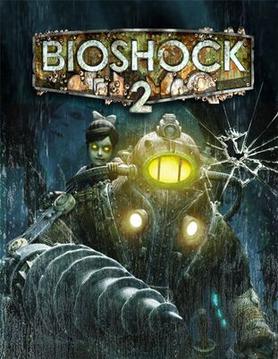
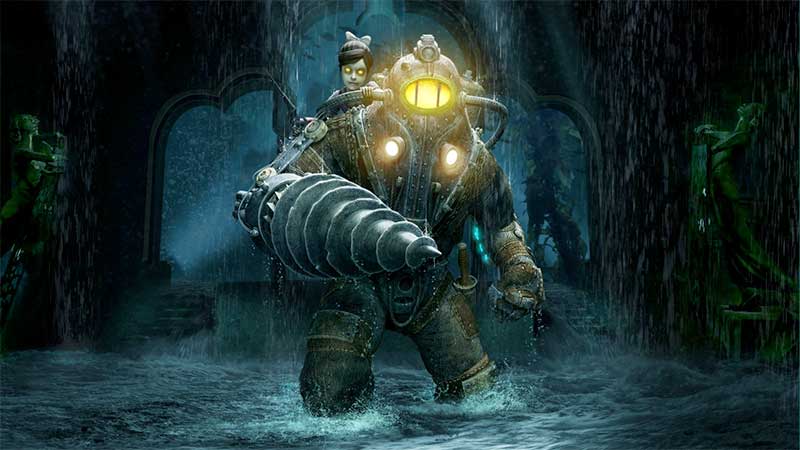
- BioShock 2 — Playing as a Big Daddy flips Rapture's power dynamic in a genuinely clever way, and while it can't match the original's narrative shock value, the combat improvements are so significant that the gameplay experience is objectively more polished from a mechanical standpoint.
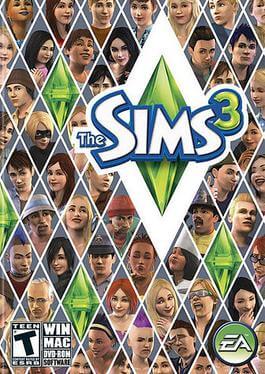
- The Sims 3 — EA removed loading screens between lots and opened the entire neighborhood for seamless exploration, fixing the single most common frustration that players had voiced across two installments of the franchise.
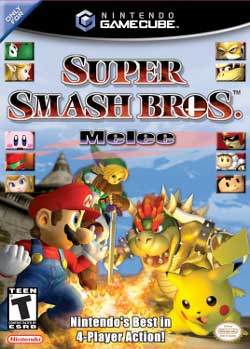
- Super Smash Bros. Melee — Nintendo delivered a roster nearly three times the size of the original, deeper mechanics, and a competitive ceiling so high that professional players still compete on it actively with no signs of the scene slowing down.
- Call of Duty 2 — The health regeneration system CoD 2 introduced seems standard now, but at launch it was a genuine design revolution that permanently reshaped how the entire FPS genre handles player survival mechanics.
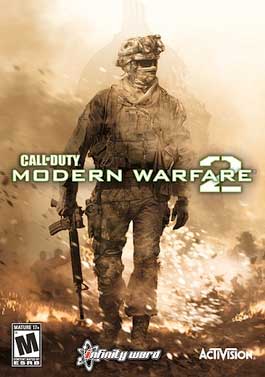
- Diablo II — Blizzard expanded every system, introduced skill trees that defined the action-RPG genre for the following decade, and built one of the first truly addictive online loot loops that developers are still referencing and replicating in new games today.
Numbers 5 Through 1: The Definitive Best
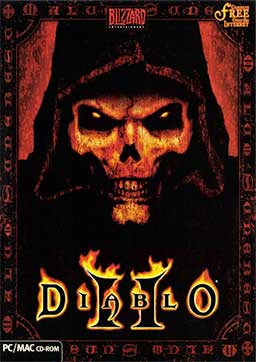
- Fallout 3 — Bethesda took a beloved top-down RPG franchise and completely reinvented it as a first-person open-world experience, converting millions of players who had never considered touching the isometric originals into dedicated fans of the universe.
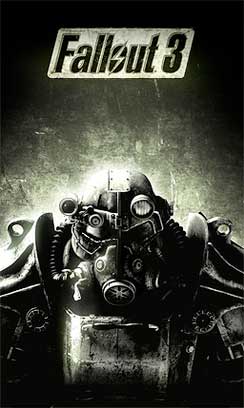
- GTA: San Andreas — Rockstar tripled the map size across three distinct cities, added RPG-style character progression, and told a story with more cultural specificity and ambition than anything Vice City attempted, creating what many still consider the franchise's creative peak.
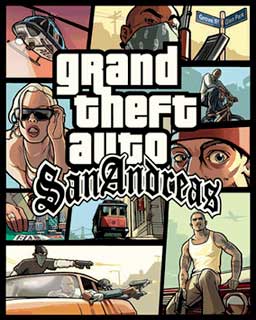
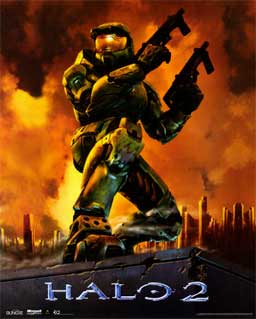
- Halo 2 — Bungie didn't just add multiplayer — they launched Xbox Live as a mainstream gaming platform, introduced dual-wielding weapons, and handed competitive shooters a template that developers are still referencing and building on across every platform today.
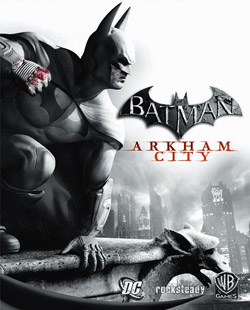
- Batman: Arkham City — Rocksteady took the claustrophobic corridors of Arkham Asylum and expanded them into a dense, richly layered open world with a villain roster that rivals any Batman story across any medium, making it the greatest superhero game ever made at the time of release.
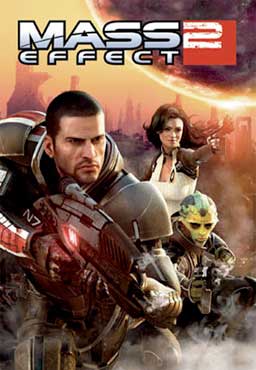
- Mass Effect 2 — BioWare rebuilt the combat from the ground up, replaced inventory bloat with character-driven squad loyalty missions, and delivered one of the most emotionally resonant finales in gaming history, making this the undisputed number-one entry among the best video game sequels ever created.
Finding the Right Sequel for Your Experience Level
Best Starting Points for Newer Players
If you're newer to gaming or haven't played the originals, these sequels function as excellent entry points because they're designed to onboard players with no prior context:
- GTA: San Andreas — the open world teaches you as you explore, with no obligation to follow the main story immediately and plenty of room to experiment at your own pace
- The Sims 3 — intuitive to pick up, rich enough to hold your attention for hundreds of hours without any familiarity with earlier entries
- Batman: Arkham City — thorough combat tutorials and a forgiving open world give you space to learn without constant punishment
- Fallout 3 — the VATS targeting system and accessible difficulty settings make it approachable even without an RPG background
Titles That Reward Serious Gamers
These sequels have steeper floors and pay off far more generously when you understand the genre deeply before starting:
- Diablo II — the build complexity and min-maxing depth are substantial, and newcomers to action-RPGs will miss most of what makes the game exceptional
- Mass Effect 2 — the emotional resonance scales dramatically when you import a save from the original and carry those relationships forward
- Super Smash Bros. Melee — the competitive mechanics reward hundreds of hours of deliberate practice before they reveal their real depth
If you're building or upgrading a PC to run these remastered titles, our breakdown of AMD Ryzen vs. Intel for gaming gives you a clear answer on which CPU direction makes the most sense for your budget.
How to Jump Into Any Sequel Without Playing the Original
Before You Press Play
You don't always have the time to work through an entire franchise from the beginning, and that's a reasonable position to be in. Here's how to prepare before launching a sequel cold:
- Watch a lore summary video — a 10-to-15-minute recap of the original's story on YouTube gives you all the narrative context you'll realistically need without the time investment of a full playthrough.
- Read the in-game lore entries or codex — most well-made sequels include an internal database that covers the original's key events and characters in enough detail to orient new players.
- Check if a definitive or remastered edition exists — some franchises bundle both games together, which makes it far easier to jump into the original quickly if you decide you want the full context after all.
During Your Playthrough
- Start on normal difficulty — if you're unfamiliar with the original's mechanics, jumping straight to hard in the sequel is a punishing experience that doesn't benefit anyone.
- Accept that you'll miss some callbacks — sequels reward returning players with Easter eggs and subtle references, and not catching them doesn't diminish the core experience in any meaningful way.
- Revisit the original after the sequel, not before — if the sequel hooks you, going back to the original becomes a reward rather than homework, and you'll appreciate the design evolution far more from that direction.
Pro Tips to Squeeze the Most From Every Sequel
Setup and Environment
- Play with headphones at least once per game — titles like BioShock 2 and Fallout 3 were designed with spatial audio as a core part of the atmosphere, and a good headset transforms the experience completely.
- Your display setup matters more than most players acknowledge — if you're playing FPS sequels like Halo 2 or CoD 2 competitively, our guide on the best FPS gaming mice covers the peripherals that actually move the needle on performance.
- Play on the intended original platform when possible — hardware context shapes design decisions, and experiencing a game in its intended environment gives you a cleaner read on what the developers were actually building.
In-Game Habits That Change Everything
- Don't rush the main story — most of the best sequels on this list hide their finest content in side missions, optional areas, and loyalty storylines that players who beeline the critical path miss entirely.
- Give each game at least three hours before forming a firm opinion — sequels front-load tutorials and only reveal their real depth once you're past the opening act and into the systems that make them special.
- If a sequel frustrates you early, check your difficulty setting — many players default to hard out of habit and then burn out before reaching the content that made the game a classic in the first place.
Tip: For Mass Effect 2 specifically, use the Genesis DLC on console to make your key story decisions through an interactive comic — it replaces a full ME1 playthrough for lore and narrative purposes without sacrificing the emotional setup.
Frequently Asked Questions
What makes a video game sequel better than the original?
A sequel surpasses the original when it directly addresses the first game's core criticisms, refines the fundamental gameplay loop, and expands the world or story in ways that feel earned rather than padded. The best examples remove bad design just as ruthlessly as they add ambitious new features.
Is Mass Effect 2 really the best video game sequel ever made?
By most objective measures, yes. It improved on every mechanical weakness of the original, added one of gaming's most beloved ensemble casts, and delivered a finale that players still cite as one of the medium's high points. The combination of mechanical refinement and emotional resonance makes it the clear top pick on any honest list.
Can you play Mass Effect 2 without finishing the first game?
Yes, but you'll miss substantial context and emotional payoff. The game provides a built-in story summary, and the Genesis DLC on consoles lets you make key decisions through an interactive comic. That said, character loyalty missions hit significantly harder when you've built those relationships over a full playthrough of the original.
Why is Halo 2 considered one of the best video game sequels of all time?
Halo 2 didn't just improve on Combat Evolved — it launched Xbox Live as a mainstream competitive gaming platform, introduced dual-wielding weapons, and gave the FPS genre its modern online multiplayer template. It changed how developers thought about online competitive design and that influence is still visible across the genre today.
Does Fallout 3 count as a true sequel given how different it is from Fallout 2?
It's a sequel in terms of lore and universe continuity, even though the shift from isometric to first-person 3D was radical. Bethesda preserved the core RPG elements — skill checks, dialogue trees, faction systems — while delivering them through a completely new perspective. That qualifies as a genuine sequel by any reasonable definition of the term.
What's the best sequel on this list for someone who rarely plays video games?
The Sims 3 is the most accessible entry — it has no traditional failure state, a gentle learning curve, and a gameplay loop that rewards you immediately even without prior experience with the franchise. GTA: San Andreas is the second-best pick for accessibility, given its forgiving open-world structure and lack of pressure to follow the main story.
Is Diablo II still worth playing today?
Absolutely. The remastered version, Diablo II: Resurrected, brings the visuals up to modern standards while fully preserving the original gameplay systems. The loot loop, skill tree depth, and multiplayer structure hold up remarkably well, and the game remains the foundational reference point for the entire action-RPG genre as a whole.
How does GTA: San Andreas actually improve on Vice City beyond just being bigger?
San Andreas added RPG-style character progression — stamina, muscle, driving skill, and relationship meters — that Vice City never attempted. It also told a more ambitious, character-driven story across three distinct cities with a cast that had far more depth and cultural specificity than Vice City's relatively straightforward crime narrative delivered.
Key Takeaways
- The best video game sequels succeed by removing what frustrated players in the original just as aggressively as they add ambitious new features and content.
- Mass Effect 2, Batman: Arkham City, and Halo 2 represent the clearest examples of sequels that didn't just improve on their predecessors — they redefined their entire genres and set standards other games still chase.
- You don't need to play the original to enjoy most sequels on this list, but for story-heavy franchises like Mass Effect, the emotional investment from the first game carries significant weight across entries and is worth the time.
- Whether you prefer open-world exploration, competitive multiplayer, or deep RPG systems, there is a sequel on this list that will immediately rank among the best games you have ever played.


About Mike Jones
Mike Jones grew up in the golden age of arcade and home gaming — a childhood shaped by Atari classics like Pitfall, Frogger, and Kaboom that gave him a lifelong appreciation for games of all kinds. These days he covers the full breadth of tabletop and family gaming: board games, card games, yard games, table games, and game room setup, with a particular focus on finding the games that bring different groups together. At GamingWeekender, he covers game reviews, buying guides, and recommendations for families, friends, and hobbyists who take their leisure seriously.
You can get FREE Gifts. Or latest Free phones here.
Disable Ad block to reveal all the info. Once done, hit a button below