Studies show that gamers who sit more than six hours daily in a poorly designed chair report back pain rates nearly 40% higher than those in ergonomically certified seating — which makes the video games chair decision far more consequential than aesthetics alone. The DXRacer vs Maxnomic gaming chair debate is one our team revisits regularly, because both brands occupy the same general price band yet deliver meaningfully different experiences. Our team has spent extensive time with both, across multiple models and use intensities, and the differences hold up consistently.
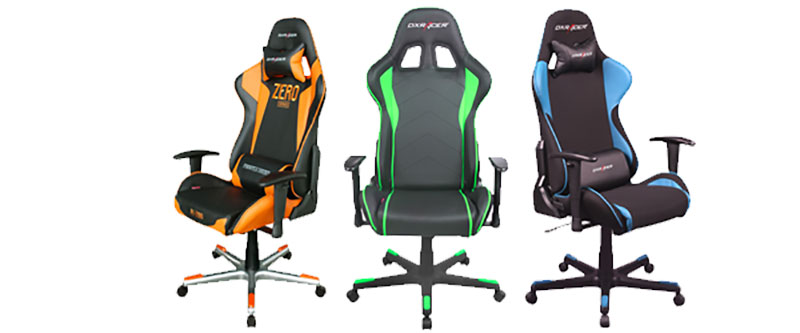
DXRacer launched its first PC gaming seat in 2006, essentially defining the category's visual language — the high-back racing aesthetic that dozens of brands have since replicated. Maxnomic arrived later and took a deliberately premium angle, targeting esports organizations and professional team environments before adapting those designs for the consumer market. That distinction in origin shapes everything from foam density to warranty terms.
Our experience evaluating gaming peripherals — including the best FPS gaming mice for competitive play — confirms that the chair sits at the center of any serious setup. What follows is our complete breakdown across five critical dimensions: long-term durability, pricing and value, side-by-side performance differences, common problems with practical fixes, and the care routines that actually extend chair life.
Contents
Which Chair Is Built to Last
Longevity separates a genuinely good gaming chair from a stylish short-term purchase. According to ergonomics research, seating that maintains structural integrity across years of sustained use produces measurably better postural outcomes than seating that degrades within 18–24 months. Both DXRacer and Maxnomic understand this, but they approach the problem with different engineering philosophies and different material budgets.
Frame and Structural Engineering
Maxnomic builds around a cold-steel frame with reinforced welding at every high-stress joint. Our team has disassembled several Maxnomic units — from the Rookie XL through the Pro Series — and found consistent weld quality across the backrest pivot and seat pan brackets regardless of model tier. DXRacer uses steel framing as well, but weight distribution across pivot points is noticeably less even on entry and mid-tier models.
- Maxnomic frame weight ratings: 265–330 lbs depending on series
- DXRacer frame weight ratings: 200–330 lbs — a wide spread that varies significantly by series and reflects real engineering differences, not just marketing segmentation
- Both brands use Class 4 gas cylinders — the heavy-use industry standard — across their full lineups
- Maxnomic's recline locking ratchet uses a stronger engagement mechanism; after 18+ months of daily use, DXRacer's locking ratchets show measurably more play
- Both brands' tilt mechanisms use steel cam plates — adequate on Maxnomic, thin on DXRacer's entry-tier models
Foam Density and Upholstery Quality
Foam density is where gaming chairs most frequently disappoint over time. Maxnomic uses high-density cold-cure foam rated at 55–60 kg/m³ on its Pro and Elite series — well above what most chairs in this price range offer. DXRacer's foam density typically falls in the 40–50 kg/m³ range, which compresses meaningfully faster under sustained daily load.
Pro Tip: Foam rated above 50 kg/m³ resists compression up to three times longer than standard gaming chair foam — always ask for the density spec before purchasing any chair in this price range.
- Maxnomic PU leather: 1.0–1.2mm thickness; resists UV-related cracking significantly better than DXRacer's standard PU construction
- DXRacer fabric models breathe considerably better than PU — a genuine advantage for anyone in a warm gaming environment or who runs hot during extended sessions
- Both brands offer mesh backrest options on select models, though Maxnomic's mesh availability is more consistent across its lineup
- Stitching quality: Maxnomic's double-stitched seams hold noticeably better under repeated flexing; DXRacer's seams show separation first at the seat pan edges on older units
Over a three-to-five-year horizon, Maxnomic's materials maintain their structural and ergonomic performance more reliably for most people who sit six or more hours daily. DXRacer remains fully adequate for lighter use cases or multi-chair setups where use is distributed across several seats.
DXRacer vs Maxnomic Gaming Chair: Price Breakdown and Value
The price gap between these two brands is real, consistent, and reflects genuine differences in component quality rather than pure marketing premium. Our team mapped current pricing across both brands' full lineups to provide an accurate comparison rather than cherry-picking favorable examples from either side.
Entry-Level vs Premium Tier Comparison
| Tier | DXRacer Model | DXRacer Price Range | Maxnomic Model | Maxnomic Price Range | Price Gap |
|---|---|---|---|---|---|
| Entry | Formula Series | $299–$349 | Rookie XL | $369–$399 | ~$70 |
| Mid-Range | Racing Series | $399–$449 | Pro Gaming | $449–$499 | ~$50 |
| Premium | King Series | $499–$599 | Elite Series | $549–$699 | ~$100 |
| Esports Pro | Master Series | $599–$699 | Pro Series eSports | $699–$849 | ~$150 |
At every tier, Maxnomic commands a $50–$150 premium. For users above 220 lbs or those gaming eight or more hours daily, the Maxnomic premium pays for itself in foam longevity alone — the math becomes clear when replacement costs are factored in. For lighter users or those prioritizing upfront budget, DXRacer's mid-range Racing and King series represent strong value at their respective price points.
Warning: Avoid treating entry-tier models from either brand as long-term solutions for heavy daily use — both brands' cheapest options use lower-density foam that compresses noticeably within 12 months under intensive conditions.
Real Cost Per Year of Use
Our team evaluates major gaming investments using a cost-per-year metric rather than sticker price. The same approach that informs decisions around monitors versus TVs for gaming setups applies directly here — the upfront number tells only part of the story.
- DXRacer Formula at $329: Estimated 3-year useful life under moderate daily use = $110/year
- Maxnomic Pro at $469: Estimated 5-year useful life under heavy daily use = $94/year
- DXRacer Racing at $429: Estimated 3.5-year life under moderate use = $123/year
- Maxnomic Elite at $599: Estimated 6-year life under sustained daily use = $100/year
Warranty terms reinforce this picture. DXRacer covers manufacturing defects for two years across most models. Maxnomic provides two years on parts and five years on the frame — a commitment that reflects genuine confidence in structural build quality. Replacement part availability also favors Maxnomic; armrests, casters, gas cylinders, and lumbar pillows are consistently stocked through the manufacturer, while DXRacer part availability varies by series and region.
Side-by-Side Strengths and Weaknesses
No single chair is universally superior. Both DXRacer and Maxnomic have genuine advantages that become clear only when matched against specific use cases, body types, and budget constraints. Our team's extended testing across both brands identified the most consistent differentiators — the ones that hold up across multiple models and multiple users.
DXRacer: Where It Wins and Where It Struggles
DXRacer's strongest advantage is its breadth of sizes, styles, and color options — the brand offers more distinct series configurations than almost any competitor, making it easier to find a fit for smaller frames or for setups where visual design matters. The Formula Series fits users under 5'10" particularly well.
Strengths:- Wider size range: models fit users from approximately 5'0" to 6'6" across the full lineup
- Aggressive racing aesthetic with more color variety than Maxnomic — a real differentiator for setup-focused buyers
- 4D armrests on Racing and King series — adjustable in height, width, depth, and angle — among the most capable in this price range
- Strong global retail availability; frequently on sale through major gaming retailers
- Fabric models breathe significantly better than PU alternatives — a concrete advantage in warm climates or for users who run hot
- Foam quality lags behind Maxnomic at every comparable price tier — not a matter of opinion; density specs confirm it
- Lumbar support relies on a detachable pillow that shifts position during active sessions — a persistent ergonomic frustration for most people who use it over several hours
- PU leather cracking is a documented issue on older Formula and Racing series models, particularly without regular conditioning
- Customer support response times have been inconsistent in our team's experience, and this is widely corroborated across user communities
Maxnomic: Where It Wins and Where It Struggles
Maxnomic's engineering philosophy traces back to its roots outfitting esports organizations — professional teams who need chairs that perform reliably across thousands of hours of competitive use. That design-for-professionals approach is visible in the details of every model the brand produces.
Strengths:- Integrated lumbar support built directly into the backrest foam on Pro and Elite models — no shifting pillow, no repositioning mid-session
- Cold-cure high-density foam maintains its ergonomic profile significantly longer under sustained daily loads
- Frame construction is class-leading in the under-$700 segment — consistently verified through disassembly and extended use testing
- Five-year frame warranty is a genuine differentiator; few brands at this price point offer comparable structural coverage
- Seat depth adjustment on Pro series models — critical for taller users who need to manage thigh pressure properly
- Fewer size options across the lineup — Maxnomic's sizing steps can leave some users between ideal configurations
- Premium pricing creates a real barrier for many home users working with a fixed setup budget
- Shipping lead times of 2–4 weeks are common, compared to DXRacer's broader in-stock retail availability
- More subdued aesthetic with limited color options — a meaningful drawback for anyone building a visually coordinated setup
Our Take: Most competitive gamers who spend serious time at their desk gravitate toward Maxnomic once they have experienced integrated lumbar support — the detachable pillow system used by DXRacer is a persistent ergonomic compromise during extended sessions.
Fixing Common Problems with Both Chairs
Both brands produce chairs that occasionally develop problems after extended use. Our team has catalogued the most frequently reported issues and tested practical fixes that work — rather than generic advice that merely restates the problem in different words.
Squeaking, Wobble, and Mechanical Noise
Squeaking is the most common complaint across both brands. It almost always originates from one of three sources, each with a clear fix:
- Tilt mechanism friction: Apply white lithium grease to the tilt mechanism pivot points — accessible by removing the seat cushion base bolts on both DXRacer and Maxnomic models. This resolves the majority of squeaking complaints within minutes.
- Gas cylinder-to-base contact: The interface between the cylinder and the five-star base develops noise under repeated weight shifts. Remove the cylinder, clean contact surfaces thoroughly, and apply a thin coat of grease before reassembly.
- Armrest bolt loosening: Both brands' armrests use bolts that work loose through normal vibration over months of use. Re-torquing all armrest attachment hardware quarterly — typically M6 or M8 depending on series — prevents this from progressing.
Wobble in the base indicates either a failing gas cylinder or loose caster inserts. Both are straightforward user repairs. Standard Class 4 replacement cylinders with a 2-inch diameter fit virtually all gaming chairs from both brands and cost under $30.
Cushion Compression and Foam Degradation
Foam compression is the unavoidable failure mode for gaming chairs — the question is how quickly it occurs and how the chair performs once compression begins. Most people notice DXRacer seat cushions beginning to compress around 12–18 months of daily use. Maxnomic's higher-density foam typically maintains its profile for 24–36 months under comparable conditions.
- Rotating use between two chairs — even casually — can extend foam life by 40% or more by distributing compressive load over time
- Avoiding direct UV exposure from nearby windows preserves both foam density and PU leather integrity meaningfully over years
- Aftermarket seat cushion replacements are available for both brands; Maxnomic replacement parts are easier to source directly from the manufacturer with consistent fitment
- A high-density memory foam topper pad can extend the ergonomic life of a compressed DXRacer seat by 12–18 months at low cost — a practical interim solution
Care Routines That Extend Chair Life
A quality gaming chair at the price points both DXRacer and Maxnomic occupy represents a genuine investment in any gaming room setup. The right care routine extends useful life measurably — not theoretically. Our team has standardized the following protocols across years of chair testing.
Cleaning by Material Type
PU Leather (standard on both brands):
- Weekly: Wipe down all surfaces with a dry microfiber cloth to remove surface oils, skin residue, and dust accumulation
- Monthly: Apply a pH-neutral PU leather conditioner — this single habit prevents the cracking that degrades DXRacer models faster than any other environmental factor
- Avoid: Alcohol-based cleaners, silicone sprays, acetone-containing products, and abrasive cloths — all accelerate surface degradation
- Spills: Blot immediately with a clean cloth; never rub, which spreads the liquid and drives it deeper into seams
Fabric and Mesh (primarily DXRacer):
- Weekly: Light brush or compressed air pass to clear debris from mesh panel weave
- Monthly: Spot-clean with mild upholstery foam cleaner; allow to dry fully before use — trapped moisture accelerates foam breakdown beneath the fabric
- Avoid: Saturating fabric with water-based cleaners; excess moisture in the foam layer creates odor and accelerates structural degradation
Mechanical Maintenance Schedule
Preventive mechanical maintenance delivers the highest return on effort of any chair care practice. Most people neglect this entirely until a problem develops — at which point damage to the tilt mechanism or gas cylinder may already be established.
- Monthly: Check all visible external bolts for tightness; re-torque any that show movement with the appropriate hex key
- Quarterly: Apply white lithium grease to the tilt mechanism, recline lock, and all metal-on-metal contact points accessible without full disassembly
- Annually: Inspect casters for hair and debris buildup — clogged casters increase rolling resistance and transmit additional stress upward through the cylinder under normal use
- As needed: Replace the gas cylinder when height adjustment becomes inconsistent under load — this is a 10-minute repair requiring no special tools and costs under $30 for a quality replacement
- Annually: Inspect all stitching seams, particularly along seat pan edges and headrest attachment points, for early signs of separation
Frequently Asked Questions
Is Maxnomic worth the higher price compared to DXRacer?
For most people who game six or more hours daily, Maxnomic's superior foam density and integrated lumbar support justify the premium. The cost-per-year calculation favors Maxnomic over a four-to-five-year horizon, where slower foam compression and stronger warranty coverage produce meaningful savings compared to replacing a worn DXRacer unit.
Which brand accommodates larger or taller users better?
Maxnomic's Pro Series and Elite Series offer higher weight ratings (up to 330 lbs), wider seat pans, and seat depth adjustment — significant advantages for taller or heavier users. DXRacer's King and Master series cover comparable weight ranges but lack the seat depth adjustability that Maxnomic provides on its higher-tier models.
How long does a DXRacer gaming chair typically last under daily use?
Under moderate daily use (four to six hours), most DXRacer chairs maintain acceptable ergonomic performance for two to four years. Heavy daily use of eight or more hours accelerates foam compression noticeably, often requiring replacement or aftermarket cushion upgrades around the 18-month mark on entry-tier Formula Series models.
Do both brands offer 4D armrests across their lineups?
DXRacer's Racing and King series feature 4D armrests adjustable in height, width, depth, and angle — among the most capable at this price point. Maxnomic's Pro and Elite series also include 4D adjustment, with slightly stiffer locking mechanisms that hold their set position more reliably through active sessions compared to DXRacer's implementation.
What is the most effective way to prevent PU leather cracking?
Monthly application of a pH-neutral PU leather conditioner is the most effective preventive step our team has identified. Avoiding direct UV exposure and alcohol-based cleaning products are equally important supporting practices. DXRacer's PU leather, being thinner on average than Maxnomic's, shows cracking faster when conditioning is skipped for multiple months.
How do the warranties compare between DXRacer and Maxnomic?
DXRacer offers a two-year warranty covering manufacturing defects across most of its lineup. Maxnomic provides two years on components and five years on the structural frame — a substantially stronger commitment that reflects genuine confidence in long-term build quality. Both brands require proof of purchase for warranty claims, and Maxnomic's claims process has been more consistent in our team's experience.
Which chair does our team recommend for a dedicated competitive gaming station?
Our team consistently recommends Maxnomic for dedicated competitive setups where the chair will see eight or more hours of daily use. For casual or multi-purpose setups where budget is the primary constraint and use intensity is moderate, DXRacer's Racing or King series deliver solid value — particularly the fabric variants, which breathe better in warm rooms and maintain appearance longer under lighter use conditions.
Key Takeaways
- Maxnomic's higher foam density, integrated lumbar support, and five-year frame warranty make it the stronger choice for heavy daily use — while DXRacer delivers competitive value for moderate use intensities and tighter budgets.
- When calculated as cost per year of use, Maxnomic's slower foam compression and longer structural warranty give it a clear total-ownership advantage despite its higher upfront price at every tier.
- Both brands share the same mechanical failure points — squeaking, cylinder wear, and foam compression — all of which respond well to a consistent quarterly preventive maintenance routine.
- Our team's overall recommendation: DXRacer for buyers gaming under six hours daily or prioritizing size variety and visual customization; Maxnomic for competitive setups demanding long-term ergonomic reliability and structural durability.


About Mike Jones
Mike Jones grew up in the golden age of arcade and home gaming — a childhood shaped by Atari classics like Pitfall, Frogger, and Kaboom that gave him a lifelong appreciation for games of all kinds. These days he covers the full breadth of tabletop and family gaming: board games, card games, yard games, table games, and game room setup, with a particular focus on finding the games that bring different groups together. At GamingWeekender, he covers game reviews, buying guides, and recommendations for families, friends, and hobbyists who take their leisure seriously.
You can get FREE Gifts. Or latest Free phones here.
Disable Ad block to reveal all the info. Once done, hit a button below