Do you ever notice your air hockey puck dragging across the surface instead of gliding effortlessly, even when your table looks perfectly fine from a distance? Knowing how to clean an air hockey table the right way is what separates a sluggish, frustrating experience from the fast, competitive game you bought the table for. If you're passionate about table games and invest time in your game room, this guide gives you everything you need to restore your table to peak performance.
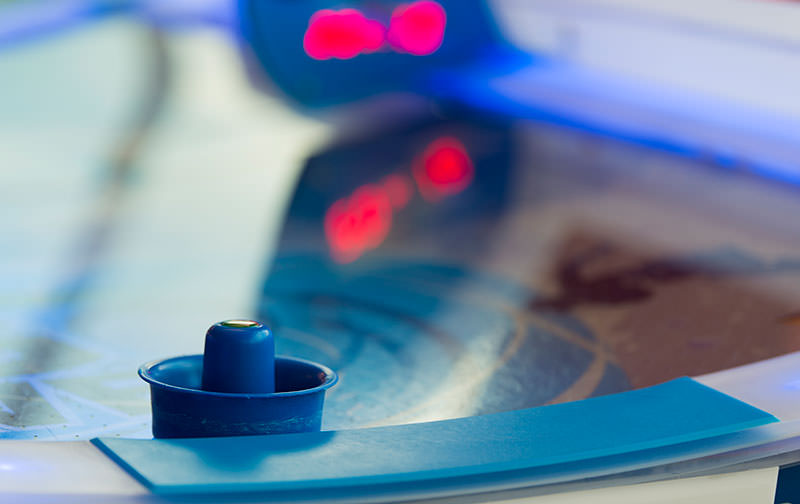
Air hockey tables rely on hundreds of tiny holes drilled into the playing surface, which push a continuous stream of air upward to keep the puck floating. When those holes get clogged with dust, skin oils, food debris, or residue from cleaning products, airflow gets disrupted, and the puck loses its glide. You might not notice it happening gradually over weeks, but once you play on a freshly cleaned table, the difference is striking.
Whether you have a commercial-grade table at a family entertainment center or a home model in your family game room, the cleaning principles are essentially the same. This guide covers the why, the what, the how, and the pitfalls — so you can get your table back to feeling brand new.
Contents
- Why Table Cleanliness Changes Your Entire Game
- What's Actually Inside an Air Hockey Table
- Cleaning Supplies: What You Need and What It Costs
- How to Clean an Air Hockey Table: Step-by-Step Guide
- Solving Persistent Problems After Cleaning
- Mistakes That Damage Tables More Than Dirt Does
- Habits That Keep Your Table Playing Like New
- Frequently Asked Questions
- Final Thoughts
Why Table Cleanliness Changes Your Entire Game
Most people think of air hockey as a low-maintenance game — you just plug it in and play. In reality, the performance of your table depends directly on how clean the playing surface and air system are. A dirty table doesn't just look bad — it fundamentally changes how the game plays.
The Impact on Puck Speed and Glide
The playing surface of an air hockey table is engineered to be extremely smooth, with consistent airflow creating a frictionless environment for the puck. When that surface is dirty, several things happen:
- The puck loses speed and becomes harder to control precisely
- Shots that should curve or deflect predictably start behaving erratically
- Players have to hit harder just to get the puck moving, which tires out your arms faster
- Competitive play becomes nearly impossible because reaction time requirements change entirely
How Dirt Affects the Air Motor
The motor underneath your table works harder when air holes are clogged, because it has to push the same volume of air through fewer open channels. Over time, this extra strain shortens the motor's lifespan and can lead to uneven air distribution across the surface. Keeping those holes clear is as much about protecting your investment as it is about game performance.
What's Actually Inside an Air Hockey Table
According to Wikipedia's overview of air hockey, the game was originally developed in the early 1970s by a group of Brunswick Billiards employees. The design hasn't changed much since — it's elegantly simple, which is part of why cleaning it is so approachable.
The Playing Surface and Air Holes
The playing surface is typically made from a smooth, hard plastic or a laminated material with a slick coating. Beneath it sits a hollow plenum chamber that distributes air from the motor evenly across hundreds of small holes, typically between 1/16 and 1/8 inch in diameter. These holes are what create the cushion of air the puck rides on.
Components That Need Regular Attention
Cleaning an air hockey table isn't just about wiping the surface. Several components benefit from regular maintenance:
- Playing surface — primary area for dirt and oil buildup
- Air holes — most critical for airflow performance
- Side rails and goal slots — collect puck dust and debris
- Pucks and mallets — worn or dirty equipment affects play quality
- Scoreboard and electronic components — dust can cause malfunctions over time
- Leg levelers — important for fair play on uneven floors
Cleaning Supplies: What You Need and What It Costs
You don't need expensive specialized products to clean your air hockey table effectively. Most of what you'll use is already in your home, and the remaining items are inexpensive to pick up.
Budget Options vs. Premium Products
There's a meaningful range between the cheapest cleaning approach and a more thorough kit, but neither option requires a large spend. Here's a breakdown of typical costs:
| Supply | Budget Option | Premium Option | Estimated Cost |
|---|---|---|---|
| Cleaning cloth | Old cotton t-shirt | Microfiber cloth pack | $0 – $10 |
| Cleaning solution | Diluted dish soap + water | Isopropyl alcohol (70%) | $1 – $5 |
| Hole cleaner | Toothpick | Drill bit set (manual) | $0 – $12 |
| Vacuum attachment | Standard vacuum hose | Crevice tool + brush combo | $0 – $15 |
| Surface wax/polish | Furniture wax (light coat) | Dedicated table surface spray | $5 – $20 |
| Total | ~$6 if buying new | ~$62 fully equipped |
For most home tables, the budget approach is completely sufficient. If you're maintaining a commercial table that sees heavy daily use, investing in a few premium tools is worth considering for the long run.
How to Clean an Air Hockey Table: Step-by-Step Guide
This is the core of what you came here for. Follow these steps in order, and you'll have a noticeably better-performing table when you're done. Always unplug the table before you begin any cleaning.
Cleaning the Playing Surface
- Unplug the table from the power source completely before touching any surface
- Use a dry microfiber cloth to wipe away loose dust and debris in long, straight strokes
- Dampen a second cloth with isopropyl alcohol or a mild soap-and-water solution, then wring it out thoroughly — the cloth should be barely damp, not wet
- Wipe the surface in smooth, overlapping strokes from one end to the other, avoiding circular motions that spread grime
- Allow the surface to dry completely, which takes about five to ten minutes depending on humidity
- Apply a very thin coat of silicone-based surface spray or furniture wax with a clean dry cloth, then buff gently to restore the slick finish
Unclogging the Air Holes
This step makes the biggest difference in play quality and is the one most people skip. Plugged holes reduce airflow unevenly, which creates dead spots on the surface.
- Turn the table's motor on briefly (plug it in for just a moment) to identify which holes seem to have reduced or no airflow — you can feel this by holding your hand lightly above the surface
- Unplug the table again before proceeding
- Use a toothpick, a straightened paper clip, or a small drill bit held between your fingers to gently clear each blocked hole — insert it straight down and twist lightly, without forcing
- Follow up with a vacuum crevice tool to suction out any loosened debris from the holes
- Plug the table back in and test airflow across the entire surface before moving on
Cleaning Pucks and Mallets
Your pucks and mallets pick up significant grime over time, and dirty equipment transfers residue back onto your freshly cleaned surface almost immediately.
- Wipe pucks with a damp cloth and dry completely — check the underside for scratches or flat spots that affect how they glide
- Clean mallet handles with a mild soap solution and rinse with a barely-damp cloth
- Inspect mallet bases for wear — a worn felt pad or cracked base should be replaced rather than just cleaned
- Store pucks and mallets on a clean, dry surface rather than directly on the playing field when not in use
Solving Persistent Problems After Cleaning
Sometimes a thorough cleaning doesn't fully resolve the issues you're experiencing. Here's how to diagnose what's still going wrong and what your options are.
Table Still Sluggish After Cleaning?
If you've cleared the holes and cleaned the surface but the puck still moves slowly, consider these possibilities:
- Motor degradation — older motors lose pressure output over time and may need replacement
- Warped surface — if the playing field has developed a bow or warp, airflow becomes uneven regardless of hole cleanliness
- Damaged puck — a puck with a flat spot or uneven bottom will drag even on a perfect surface
- Insufficient waxing — some surfaces need a slightly heavier polish application to achieve full glide
- Air blower filter — some commercial models have a filter on the intake; a clogged filter reduces overall air pressure
Surface Scratches and Scuff Marks
Deep scratches in the playing surface are difficult to fully reverse at home. Shallow scuffs, however, can often be minimized with a plastic polishing compound applied carefully with a microfiber cloth. Work the compound in with light circular strokes, then wipe away residue and apply a final layer of surface spray to blend the repair. For severe surface damage, contacting the manufacturer about a replacement surface panel is usually more practical than attempting a full DIY repair.
Mistakes That Damage Tables More Than Dirt Does
Cleaning your table the wrong way can cause more harm than simply leaving it dirty. Knowing what to avoid is just as valuable as knowing the correct process.
Using the Wrong Cleaning Products
- Avoid ammonia-based cleaners like standard window spray — they can degrade the surface coating over repeated use
- Never use abrasive scrubbers or steel wool on the playing surface, as they create micro-scratches that accumulate grime faster
- Skip furniture polishes that contain silicone oils not designed for gaming surfaces — they can make the surface too slippery and unpredictable
- Don't use excessive water — moisture that seeps into the air holes or electronic components can cause serious long-term damage
Pro tip: Isopropyl alcohol at 70% concentration is the safest all-purpose cleaner for air hockey surfaces — it evaporates quickly, leaves no residue, and won't damage the surface coating with regular use.
Mechanical Errors During Cleaning
- Never use a power drill to clear air holes — even at the lowest setting, the torque is too much and you risk enlarging or deforming the holes
- Don't apply wax or polish while the motor is running, as it gets pulled into the holes and creates a worse clog
- Avoid pressing down hard on the surface while cleaning — excessive pressure on older tables can crack or warp the field
- Don't skip drying time between the damp-wipe step and the wax step — applying wax over a damp surface traps moisture
Habits That Keep Your Table Playing Like New
Cleaning your table thoroughly once is great, but the real goal is keeping it in good shape with minimal effort over the long term. If you're investing in quality home game room equipment, building these habits pays off considerably.
Daily and Weekly Routines
- Wipe the surface with a dry microfiber cloth after every play session — this takes under a minute and prevents buildup
- Store pucks and mallets off the surface when the table isn't in use to prevent contact marks
- Cover the table with a fitted cover or a plain bedsheet when it sits unused for extended periods
- Keep food and drinks away from the table entirely — oils and sugars from snacks are one of the primary sources of hole clogging
Long-Term Maintenance Strategies
- Perform a full cleaning including hole-clearing once every one to three months depending on use frequency
- Inspect the motor annually and vacuum out any dust that has accumulated around the intake
- Check leg levelers every few months — an unlevel table affects play quality in ways that are easy to misdiagnose as a surface problem
- Replace pucks and mallets at the first sign of significant wear rather than waiting until they're visibly broken
- Keep a small cleaning kit stored near the table so the supplies are always on hand when you need them
Frequently Asked Questions
How often should I clean my air hockey table?
For a home table with regular use, a full cleaning every one to three months is a reasonable target. If you play daily or the table is in a high-traffic game room, cleaning it monthly will keep performance consistent. A quick dry wipe after every session reduces how often deep cleans are necessary.
Can I use Windex or glass cleaner on my air hockey table?
It's best to avoid ammonia-based cleaners like Windex on your playing surface. They can degrade the surface coating over time with repeated use. Isopropyl alcohol at 70% concentration or a mild soap-and-water solution on a barely-damp cloth are much safer and equally effective options.
Why is my puck still dragging after I've cleaned the surface?
The most common cause after a clean is blocked air holes that weren't fully cleared. Try turning the motor on and running your hand just above the surface to feel for dead spots with reduced airflow, then clear those specific holes with a toothpick or paper clip. A worn or flat-spotted puck is the other frequent culprit.
What's the best tool for unclogging air hockey table holes?
A toothpick is the most universally recommended option for home use because it's the right size, flexible enough to avoid damaging the hole, and widely available. A straightened paper clip also works well. Avoid using power tools — even at low settings, a drill bit can enlarge or deform the holes permanently.
Should I wax my air hockey table surface?
A light application of silicone-based surface spray or a dedicated table wax can meaningfully improve puck glide after cleaning. Apply it sparingly with a clean dry cloth and buff it out — too much wax creates an uneven finish. Always apply wax with the motor off so it doesn't get pulled into the air holes.
How do I clean the air holes without damaging them?
Insert a toothpick, thin paper clip, or a small manual drill bit gently straight down into each blocked hole and twist lightly without forcing. Follow with a vacuum crevice tool to remove loosened debris. Work methodically across the surface row by row so you don't miss any holes, and never use a power drill.
Final Thoughts
Cleaning your air hockey table is one of the easiest ways to dramatically improve your game experience without spending money on new equipment. Grab a microfiber cloth and a bottle of isopropyl alcohol, set aside thirty minutes, and work through the steps in this guide — you'll likely be surprised at how much better the table plays when it's properly maintained. If you found this helpful, consider sharing it with whoever you play against most, because a well-maintained table makes the game better for everyone at the rails.


About Mike Jones
Mike Jones grew up in the golden age of arcade and home gaming — a childhood shaped by Atari classics like Pitfall, Frogger, and Kaboom that gave him a lifelong appreciation for games of all kinds. These days he covers the full breadth of tabletop and family gaming: board games, card games, yard games, table games, and game room setup, with a particular focus on finding the games that bring different groups together. At GamingWeekender, he covers game reviews, buying guides, and recommendations for families, friends, and hobbyists who take their leisure seriously.
You can get FREE Gifts. Or latest Free phones here.
Disable Ad block to reveal all the info. Once done, hit a button below